Tanzania
260 sq km
26'c
33mm
15 Years
Nestled within the East African Rift Valley, Ngorongoro Crater is one of Africa’s most magnificent natural wonders. The crater is the world’s largest intact caldera, formed when a giant volcanic explosion caused the summit to collapse on itself two to three million years ago. This geological wonder measures around 260 square kilometers with a depth of over 600 meters.
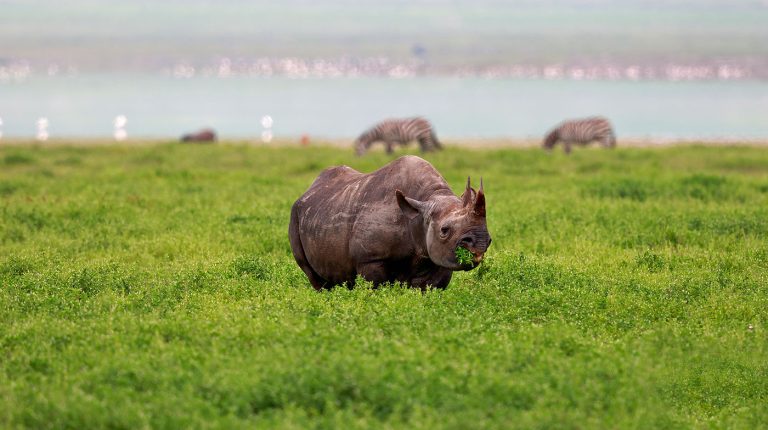
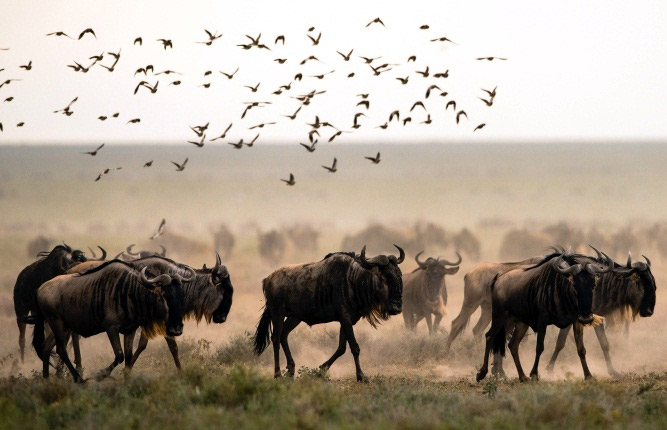
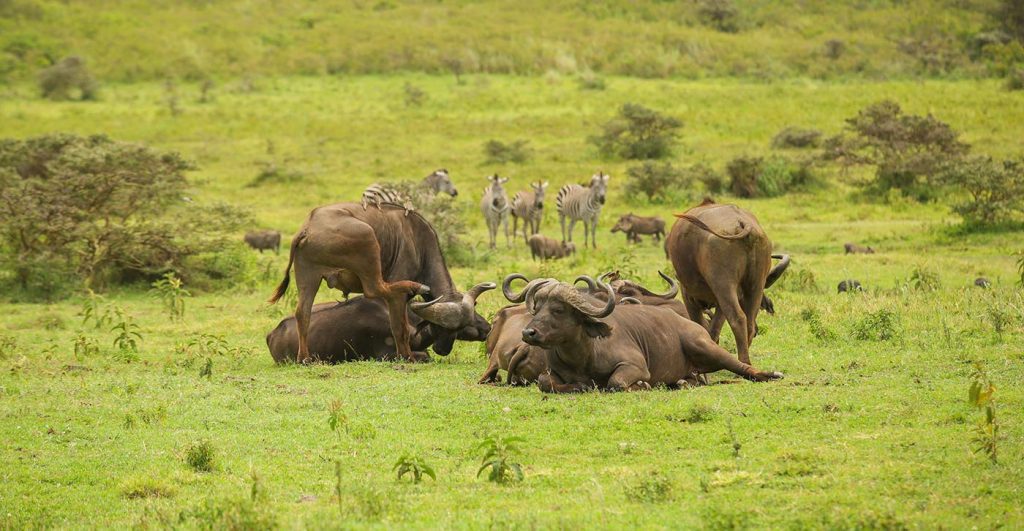
Descending down to the crater floor is an experience like no other. You’ll quickly notice the distinct ecosystem contained within the crater, markedly different from the surrounding plains. Lush swamps, forested areas, soda lakes, and savannah grasslands provide diverse habitats for the prolific wildlife populating the crater. It’s been dubbed “Africa’s Eden” for its density of animals, numbering over 25,000 zebras, wildebeest, elephants, and gazelles. Lucky visitors may even spot the endangered black rhino.
Descending down to the crater floor is an experience like no other. You’ll quickly notice the distinct ecosystem contained within the crater, markedly different from the surrounding plains. Lush swamps, forested areas, soda lakes, and savannah grasslands provide diverse habitats for the prolific wildlife populating the crater. It’s been dubbed “Africa’s Eden” for its density of animals, numbering over 25,000 zebras, wildebeest, elephants, and gazelles. Lucky visitors may even spot the endangered black rhino.
Descending down to the crater floor is an experience like no other. You’ll quickly notice the distinct ecosystem contained within the crater, markedly different from the surrounding plains. Lush swamps, forested areas, soda lakes, and savannah grasslands provide diverse habitats for the prolific wildlife populating the crater. It’s been dubbed “Africa’s Eden” for its density of animals, numbering over 25,000 zebras, wildebeest, elephants, and gazelles. Lucky visitors may even spot the endangered black rhino.
Exploring the wildlife and attractions of this East African gem offers a once-in-a-lifetime experience filled with breathtaking landscapes, diverse ecosystems, and unforgettable encounters with nature.
No results available
A day spent on the crater floor promises hours of epic game drives spotting lions, hyenas, flamingos, warthogs, and countless other wildlife. While a steep climb out awaits at day’s end, your memories of this natural wonder will linger long after leaving Ngorongoro. It’s certainly one of Tanzania’s most remarkable treasures not to be missed.
A day spent on the crater floor promises hours of epic game drives spotting lions, hyenas, flamingos, warthogs, and countless other wildlife. While a steep climb out awaits at day’s end, your memories of this natural wonder will linger long after leaving Ngorongoro. It’s certainly one of Tanzania’s most remarkable treasures not to be missed.
JAN
FEB
MAR
APR
MAY
JUN
JUL
AUG
SEP
OCT
NOV
DEC
°C
Min
°C
Average
°C
Max
°F
Min
°F
Average
°F
Max
in
Min
in
Average
in
Max
Descending down to the crater floor is an experience like no other. You’ll quickly notice the distinct ecosystem contained within the crater, markedly different from the surrounding plains. Lush swamps, forested areas, soda lakes, and savannah grasslands provide diverse habitats for the prolific wildlife populating the crater. It’s been dubbed “Africa’s Eden” for its density of animals, numbering over 25,000 zebras, wildebeest, elephants, and gazelles. Lucky visitors may even spot the endangered black rhino.
Descending down to the crater floor is an experience like no other. You’ll quickly notice the distinct ecosystem contained within the crater, markedly different from the surrounding plains. Lush swamps, forested areas, soda lakes, and savannah grasslands provide diverse habitats for the prolific wildlife populating the crater. It’s been dubbed “Africa’s Eden” for its density of animals, numbering over 25,000 zebras, wildebeest, elephants, and gazelles. Lucky visitors may even spot the endangered black rhino.
Lorem ipsum dolor sit amet, consectetur adipiscing elit. Ut elit tellus, luctus nec ullamcorper mattis, pulvinar dapibus leo.
Lorem ipsum dolor sit amet, consectetur adipiscing elit. Ut elit tellus, luctus nec ullamcorper mattis, pulvinar dapibus leo.

Lorem ipsum dolor sit amet, consectetur adipiscing elit. Ut elit tellus, luctus nec ullamcorper mattis, pulvinar dapibus leo.
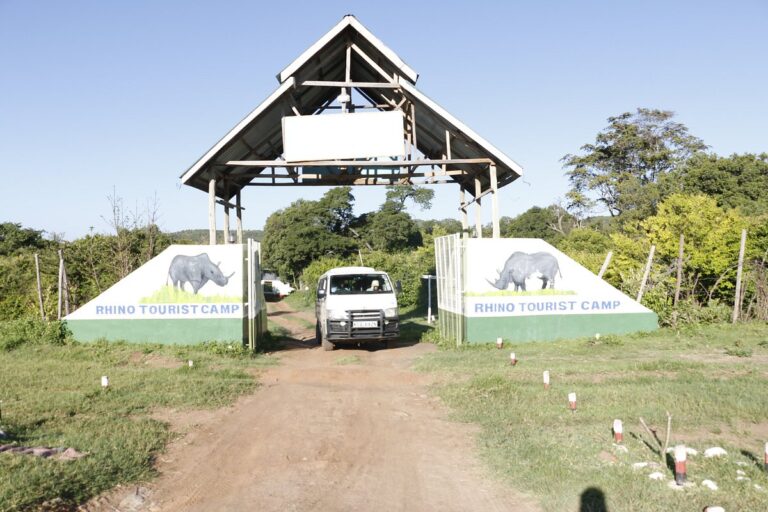
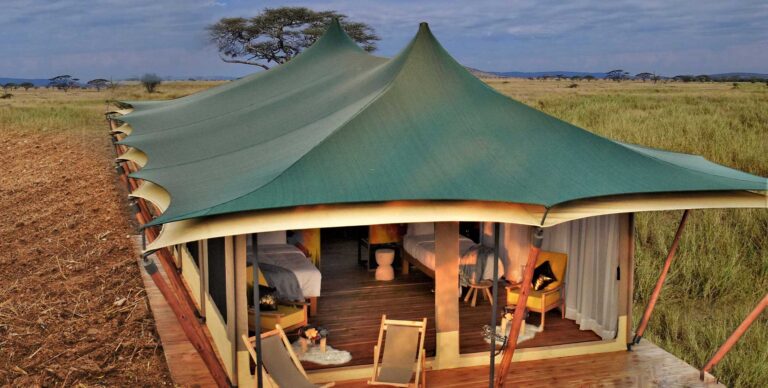
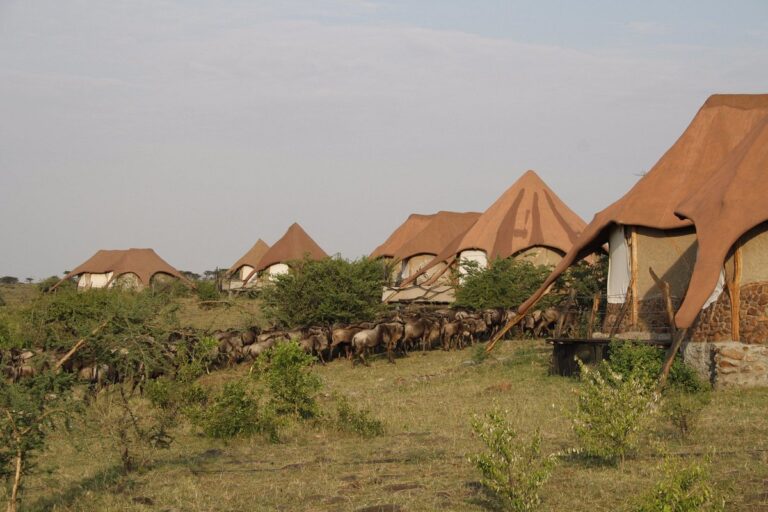
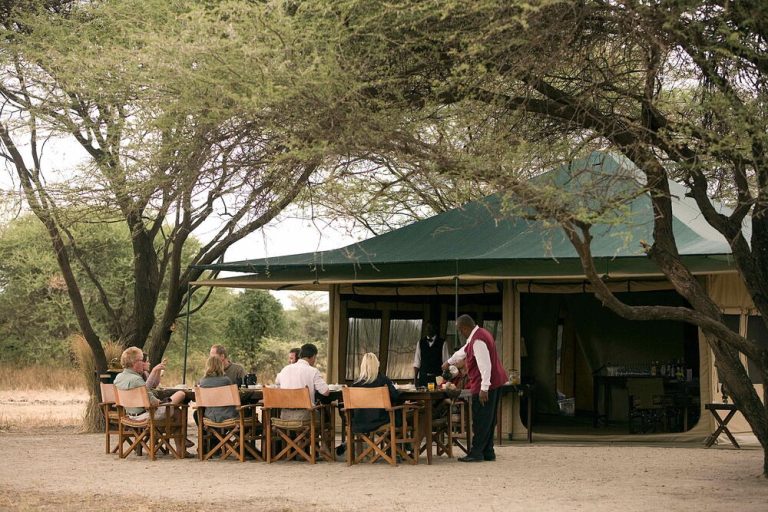
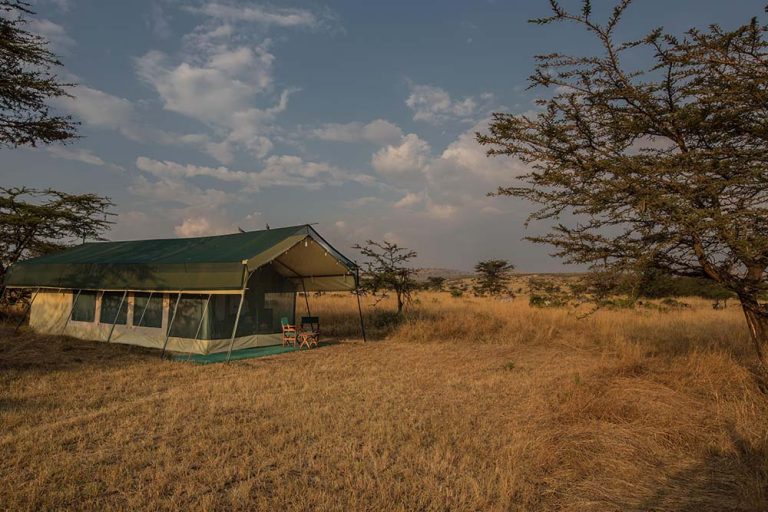
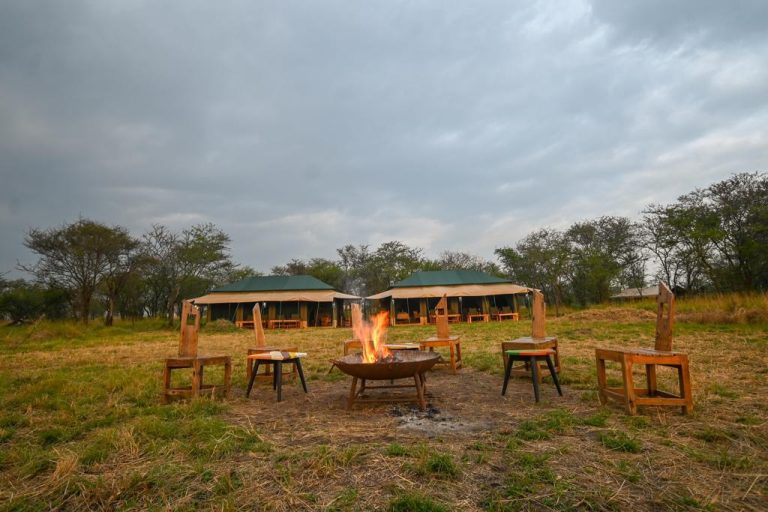
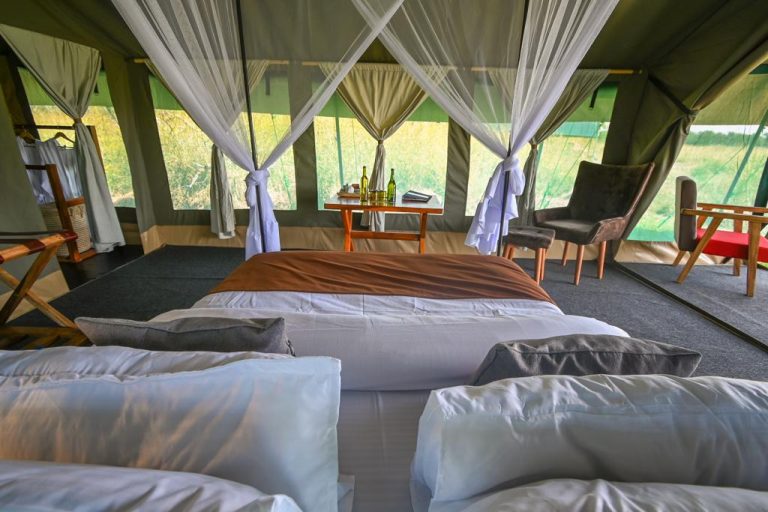
Explore a range of accommodation options designed to suit various preferences and budgets at this location. From comfortable lodges and tented camps to modern hotels, the area provides convenient access to nearby attractions and activities. Scroll through the carousel to find detailed listings of each property, including amenities and contact information, making it easy to plan your stay.
No results available
Explore Ngorongoro Crater with these recommended tours
No results available
Ngorongoro Crater is located in northern Tanzania, within the Ngorongoro Conservation Area, approximately 180 km west of Arusha.
The crater floor covers 260 square kilometers and is over 600 meters deep. It is the largest intact and unfilled caldera in the world.
Explore other optional accommodation to consider at
No results available