

Nairobi National Park
LANGATA, 7 KM FROM CENTRE
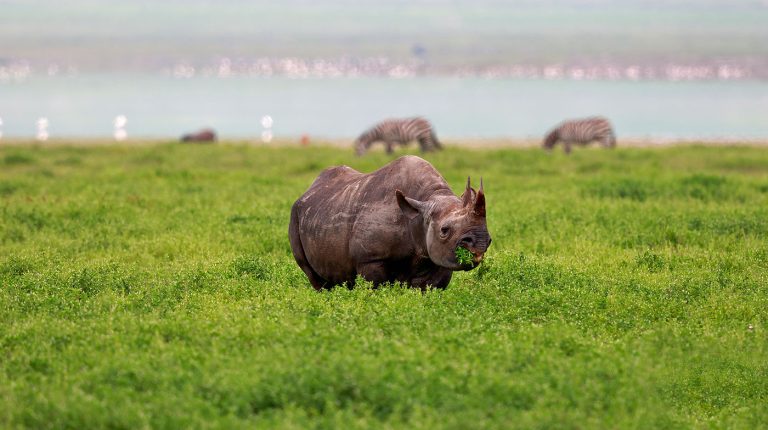
Lion, rhino and giraffe on open plains against the city skyline.
Kenya
696 sq km
24 'C
25mm
Nairobi is East Africa’s largest and most cosmopolitan city, sitting at around 1,795 metres on the edge of the Rift Valley, with a climate far cooler than its equatorial position suggests.
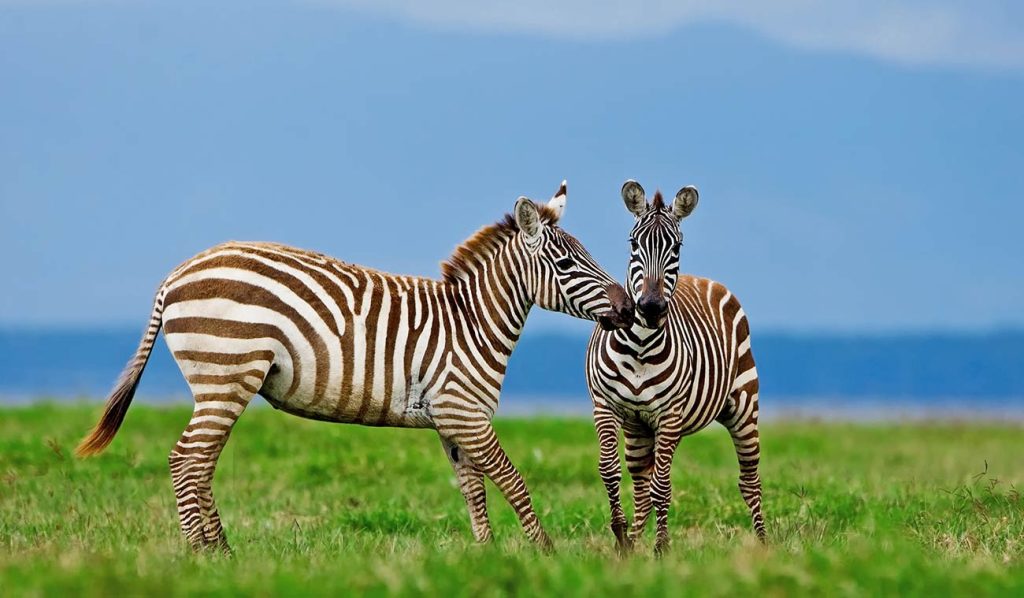
It is the only capital in the world with a national park on its doorstep. Lion, rhino, buffalo and giraffe range across open plains with the city skyline visible behind them, seven kilometres from the centre, and the park’s southern boundary remains unfenced so wildlife can still move seasonally onto the Athi plains.
The city grew from a railway depot established in 1899 and has expanded relentlessly since, producing a place of sharp contrasts: colonial-era Karen and Langata to the west, a dense commercial grid downtown, and the fast-changing Eastlands.
Most visitors pass through on the way to the Maasai Mara or the coast, but Nairobi holds enough for two or three days, with the Karen Blixen Museum, the Giraffe Centre, the elephant orphanage and one of the liveliest restaurant and music scenes on the continent.
Nairobi draws people from every part of Kenya and well beyond, and the result is a city of distinct neighbourhoods with quite different characters, from the leafy western suburbs to the dense trading districts east of the centre.
The Karen Blixen Museum occupies the farmhouse of the Out of Africa author at the foot of the Ngong Hills, and the nearby Kazuri bead workshop employs single mothers in ceramics, having grown from two women in 1975 to several hundred today.
Live music is a genuine strength, particularly benga, Afro-fusion and the jazz scene that has developed over the past decade. The food runs from nyama choma grilled over open fires to restaurants that rank among the best in Africa.
The Nairobi National Museum covers Kenyan prehistory including major hominin fossil finds from Turkana, alongside ethnography and contemporary art, and is the single best introduction to the country for anyone arriving with time to spare.
By Air
Jomo Kenyatta International Airport (NBO) is the largest hub in East Africa, about 18 kilometres from the centre. Wilson Airport, closer in, handles light aircraft to the Maasai Mara, Samburu and the coast.
By Road and Rail
The Madaraka Express standard gauge railway runs to Mombasa in around five hours and is comfortable and popular. Arusha is roughly 270 kilometres south via the Namanga border, five to six hours including formalities.
Exploring the wildlife and attractions of this East African gem offers a once-in-a-lifetime experience filled with breathtaking landscapes, diverse ecosystems, and unforgettable encounters with nature.
No results available
Nairobi’s altitude gives it a mild, spring-like climate that catches most visitors out. Days sit between 21°C and 27°C and nights drop to 11°C to 15°C, so a jacket is needed year-round in the evenings despite the city sitting almost on the equator.
The long rains run March to May, with April the wettest at around 200 millimetres, and short rains fall through November and December. Annual rainfall is roughly 900 millimetres, and the city is noticeably greener than the surrounding plains.
July and August are cool and often overcast, a grey season locals call cold, when temperatures struggle past 21°C and low cloud can sit over the city for days.
Rain usually arrives as intense afternoon storms rather than steady drizzle, and it brings traffic close to a standstill within minutes. Plan around the afternoon in the wet months, and carry a light waterproof rather than an umbrella.
The altitude also affects visitors directly, and some people sleep poorly for a night or feel breathless walking uphill before it settles.
Nairobi is a year-round city, and the choice of month matters less for the city itself than for wherever you are travelling on to.
January and February are dry, warm and clear, and align with excellent conditions in Amboseli and the Maasai Mara. This is one of the best windows for combining city days with a safari.
June to October is the second dry window and coincides with the migration in the Mara, which is why the city is busiest and hotels priciest. July and August are cool and often grey in Nairobi itself, so pack accordingly.
March to May brings the long rains, when afternoon downpours snarl traffic badly and crossing the city becomes a real constraint on any itinerary.
November and December bring lighter short rains, with the festive season lifting the restaurant and music scene considerably.
Whatever the month, Nairobi works best as a two-day stop rather than a rushed overnight. The national park, the elephant orphanage and the Giraffe Centre together fill a morning, and the museums and the Karen sites need most of a second day if you want to see them properly.
Nairobi’s reputation is worse than the reality for most visitors, but care is genuinely needed. Avoid walking in the central business district after dark, keep phones out of sight, and use ride-hailing apps rather than street taxis.
Carjacking occurs, so keep windows up and doors locked in slow traffic, particularly at night. Do not visit informal settlements without a reputable guide. Hotels, malls and the tourist sites in Karen and Langata are well secured and present little difficulty.
Lion, rhino and giraffe on open plains against the city skyline.
Orphaned elephants at the daily public feeding, booked in advance.
Feed endangered Rothschild's giraffe from a raised platform.
The Out of Africa farmhouse below the Ngong Hills.
A ceramics workshop employing single mothers, open to visitors.
Kenyan prehistory, including major hominin fossil finds.
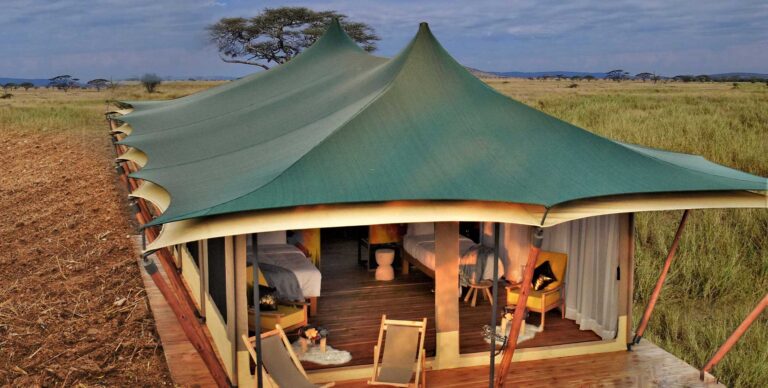
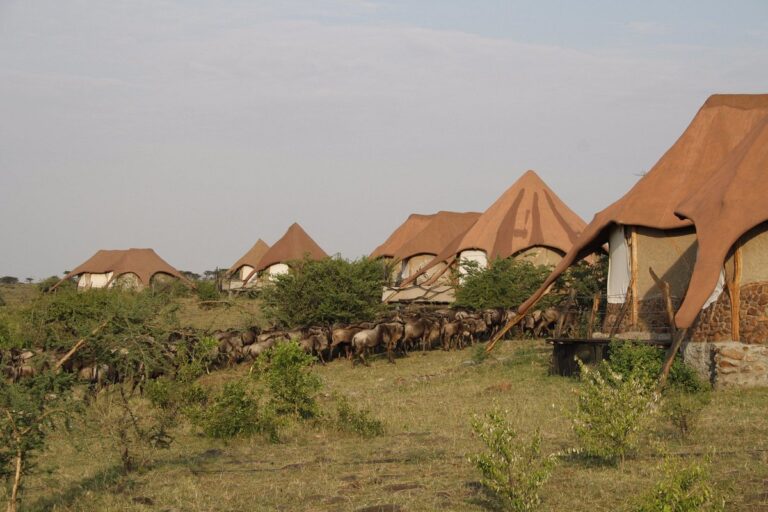
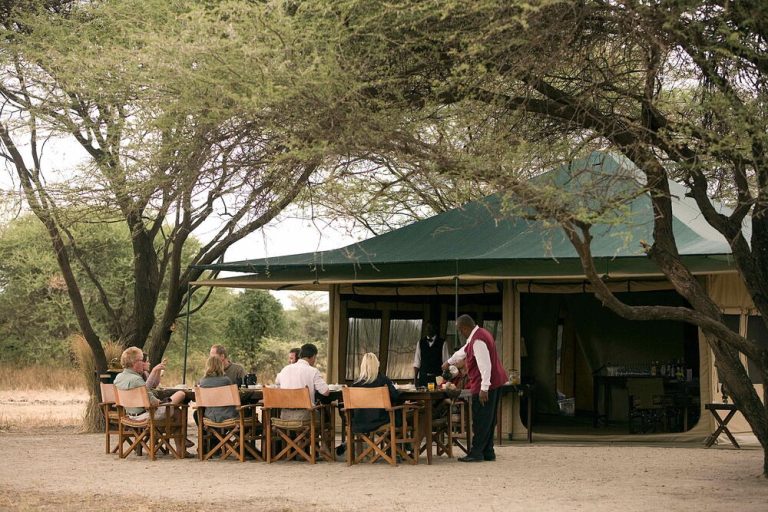
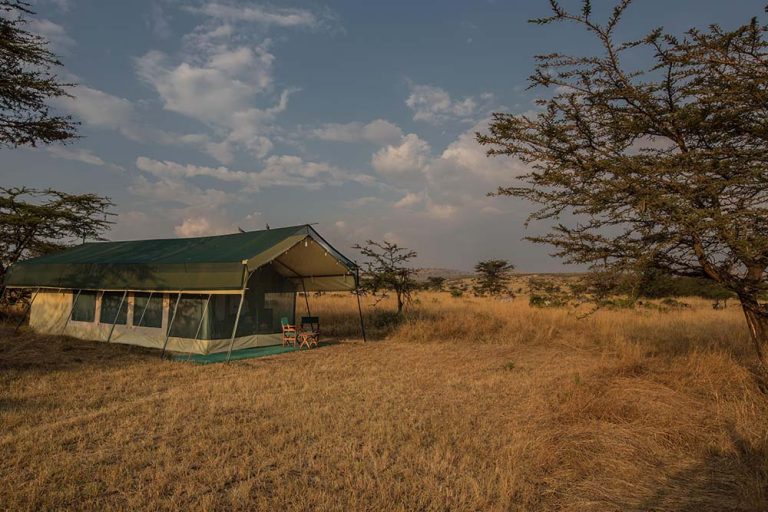
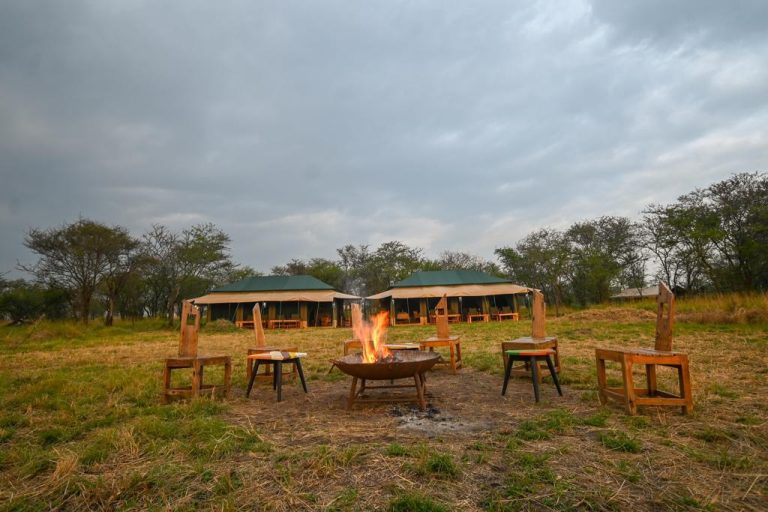
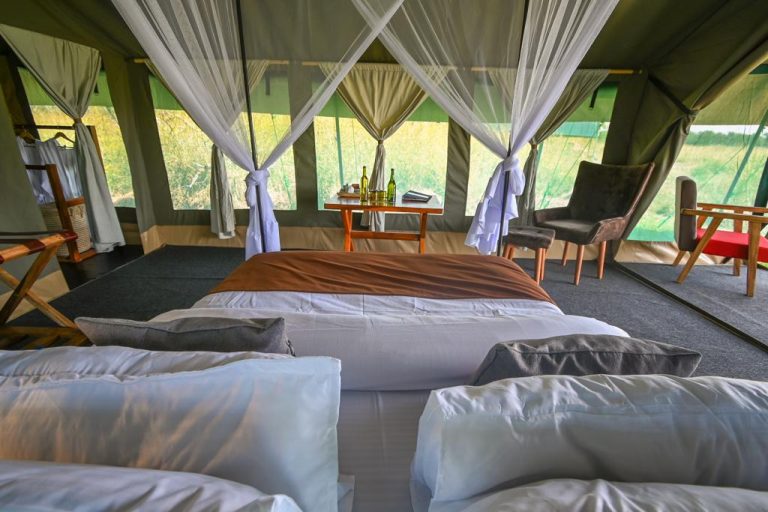
Explore a range of accommodation options designed to suit various preferences and budgets at this location. From comfortable lodges and tented camps to modern hotels, the area provides convenient access to nearby attractions and activities. Scroll through the carousel to find detailed listings of each property, including amenities and contact information, making it easy to plan your stay.
No results available
Explore Nairobi with these recommended tours
No results available
Yes, and it is the only one of its kind bordering a capital city. Nairobi National Park lies about seven kilometres from the centre and holds lion, buffalo, giraffe, zebra and one of Kenya’s densest black rhino populations, all with the skyline visible behind them. It is unfenced on its southern boundary, allowing wildlife to move seasonally onto the Athi plains beyond. Early morning is much the best time to visit.
Two days covers the highlights comfortably. One day handles the national park at dawn, the Sheldrick elephant orphanage and the Giraffe Centre, all of which sit close together in Langata. A second allows the Karen Blixen Museum, Kazuri Beads and the National Museum, with an evening for the restaurant and live music scene. Traffic makes distances deceptive, so group sights geographically rather than crossing the city repeatedly. Nairobi’s altitude of around 1,795 metres also makes it a useful place to spend a night before travelling to higher ground.
Its reputation is harsher than most visitors’ experience, but genuine care is needed. Avoid walking in the central business district after dark, keep phones out of sight, and use ride-hailing apps rather than hailing taxis on the street. Keep car windows up and doors locked in slow traffic. The tourist areas of Karen and Langata, along with hotels and malls, are well secured. Matatu minibuses are cheap but chaotic and best avoided.
Far cooler than most people expect for a city on the equator, because it sits at around 1,795 metres. Days run between 21°C and 27°C and nights drop to 11°C to 15°C, so a jacket is needed year-round in the evenings. July and August are cool and often overcast. The long rains fall March to May and the short rains through November and December, usually as intense afternoon storms.
The orphanage opens to the public for one hour each day, usually around midday, and visits must be booked in advance online as numbers are capped. Keepers bring the orphaned elephants in for feeding and explain each animal’s story. Fostering an elephant allows a second, quieter evening visit. It sits on the edge of Nairobi National Park in Langata, close enough to combine with the Giraffe Centre in a single morning.
Jomo Kenyatta International is the main hub, about 18 kilometres from the centre, handling all long-haul and most regional flights. Wilson Airport, considerably closer in, handles light aircraft to the Maasai Mara, Samburu, Amboseli and the coast, and is where nearly all safari flights depart. Allow ample time to transfer between the two, as the drive can take well over an hour in traffic. Group your sights geographically, because crossing the city more than once in a day is rarely realistic given the traffic.
Yes, and it is a popular and comfortable journey. The Madaraka Express standard gauge railway runs between Nairobi and Mombasa in around five hours, with services in both directions daily and both economy and first class available. It is considerably more relaxed than flying once transfers are counted, and passes along the edge of Tsavo, where game is sometimes visible from the window. Book ahead, as seats sell out. Book anything at the elephant orphanage or the Giraffe Centre in advance, as visitor numbers are capped daily.
A great deal, and the city has the most varied food scene in East Africa. Nyama choma, meat grilled slowly over charcoal, is the national dish and best eaten at a busy local joint rather than a hotel. Beyond that, Nairobi has excellent Ethiopian, Indian, Japanese and contemporary Kenyan restaurants, several of which rank among the finest on the continent, concentrated in Westlands, Karen and Kilimani. Nairobi’s altitude of around 1,795 metres also makes it a useful place to spend a night before travelling to higher ground.
Explore other optional accommodation to consider at