

Diani Beach
17 KM OF SHORELINE
Fine white sand and reef-protected water rated among Africa's best.
Kenya
17 km of coastline
30 'C
40mm
Diani Beach runs for about 17 kilometres along Kenya’s south coast, roughly 30 kilometres south of Mombasa, and is consistently rated among the finest beaches in Africa.
The sand is white and unusually fine, the water is protected by an offshore reef that keeps it calm and shallow at low tide, and the strip behind it holds everything from backpacker lodges to some of the country’s most expensive resorts.
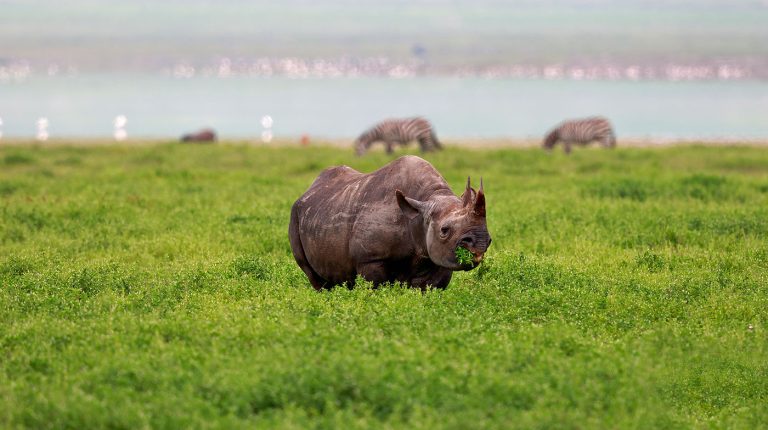
What sets Diani apart from a simple beach destination is what surrounds it. Angolan colobus monkeys live in the coastal forest directly behind the hotels, the Shimba Hills National Reserve lies half an hour inland with sable antelope and elephant, and the Kisite-Mpunguti marine park to the south offers dolphin watching by dhow.
It is also one of the best kitesurfing destinations on the Indian Ocean, with a wide reef-protected lagoon, shallow water at low tide and steady cross-onshore wind through the kusi monsoon from June to September.
The Digo, part of the wider Mijikenda group, are the people of this stretch of coast. Their sacred kaya forests, several of them UNESCO listed, are protected groves that have served as ritual and burial sites for centuries and are still maintained by community elders.
Kaya Kinondo near Diani is the one most readily open to visitors, entered with a village guide and a wrap worn over ordinary clothing. It offers a rare and genuinely respectful introduction to a living sacred site rather than a museum piece.
Swahili culture dominates along the shoreline, and the area is predominantly Muslim, so modest dress is expected away from the beach and hotel grounds. Ukunda, the town immediately inland, is where most local life and commerce happens and is worth walking through.
The Colobus Conservation project in Diani works to protect the endangered Angolan colobus, building rope bridges across the main road to reduce roadkill and running a rehabilitation centre. It welcomes visitors and is among the more effective community conservation efforts on the coast.
By Air
Ukunda airstrip sits directly behind the beach and receives scheduled flights from Nairobi’s Wilson Airport, taking around an hour. Moi International Airport at Mombasa is the alternative, about an hour and a half away by road including the Likoni ferry crossing.
By Road and Rail
The Madaraka Express railway runs Nairobi to Mombasa in around five hours, with a road transfer onward. The Likoni ferry between Mombasa and the south coast can add considerable delay at peak times, which is why many visitors prefer to fly into Ukunda.
Exploring the wildlife and attractions of this East African gem offers a once-in-a-lifetime experience filled with breathtaking landscapes, diverse ecosystems, and unforgettable encounters with nature.
No results available
Diani has a hot, humid tropical coastal climate with far less seasonal variation in temperature than in rainfall. Days sit between 28°C and 33°C throughout the year and nights rarely drop below 21°C, with the sea breeze doing most of the work of making it comfortable.
The long rains fall from April into early June, and May is the wettest month on this stretch of coast, often exceeding 300 millimetres. This is the one period when a beach holiday here is a genuine gamble, and some smaller establishments close or reduce services.
The short rains arrive in November, considerably lighter and usually confined to afternoon storms that pass within an hour or two, followed by the December to March high season, which is hot, humid and reliably dry.
The kusi monsoon blows from the south between June and September, cooling the air and bringing the steady wind that makes Diani one of the best kitesurfing destinations on the Indian Ocean.
Pack reef shoes for the exposed coral at low tide, along with light cotton and strong sun protection.
Diani is a year-round destination with two clearly better windows and one to plan around, and what you intend to do in the water should drive the choice.
December to March is the main high season and the classic beach period: hot, humid, reliably dry and with the calmest, clearest water for snorkelling and diving. Rates are at their highest, particularly over Christmas and New Year.
June to October is the second dry window and in some ways more comfortable. The kusi monsoon drops humidity, temperatures ease to around 28°C, and the steady wind makes this the kitesurfing season. It also aligns with the Maasai Mara migration.
April and May bring the long rains and are worth avoiding for a beach trip, with May the wettest month.
November brings short rains and is one of the better value months of the year.
Whichever window you choose, check the tide tables posted at most hotels. The reef lagoon empties twice daily, and planning water activities around the tide makes a considerable difference to a stay here.
Standard precautions apply. Travel with a licensed guide, keep valuables secured, and follow local advice on where and when it is sensible to walk. Roads deteriorate during the rains and night driving is best avoided throughout the region.
Where wildlife is present, remain in your vehicle outside designated areas and keep a respectful distance from all large animals. Water safety matters on the coast and the lakes: check conditions locally before swimming, and be aware of currents and tides.
Fine white sand and reef-protected water rated among Africa's best.
Steady kusi monsoon winds from June to September and again in December.
Rope bridges and rehabilitation for the endangered Angolan colobus.
Sable antelope, elephant and the Sheldrick Falls, half an hour away.
Dolphin watching and snorkelling by dhow from Shimoni.
A Mijikenda sacred grove, open to visitors with a village guide.
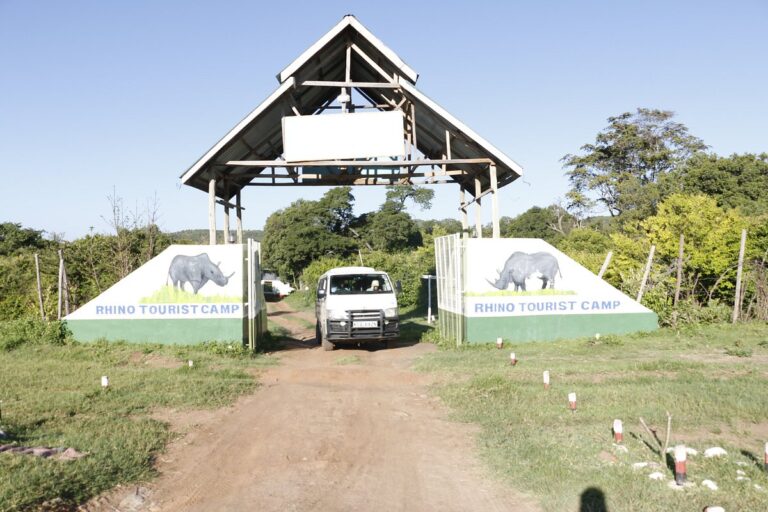
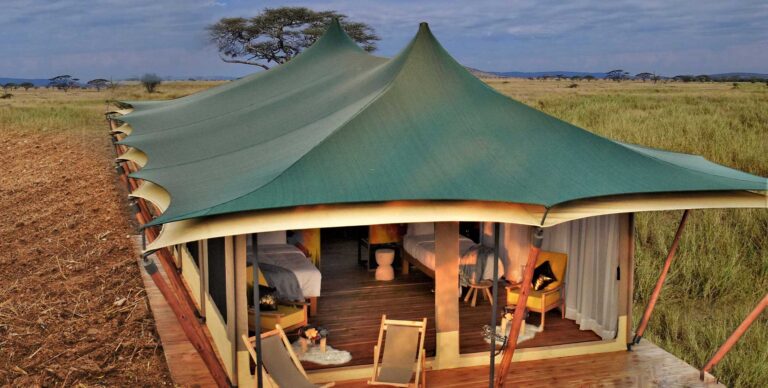
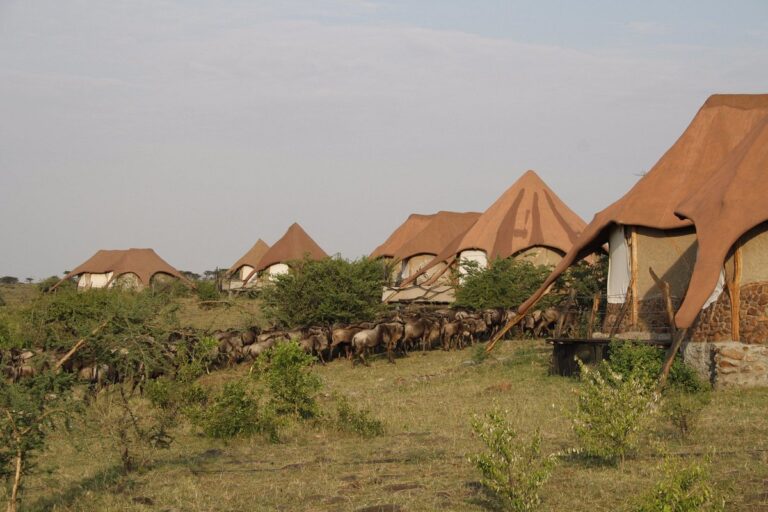
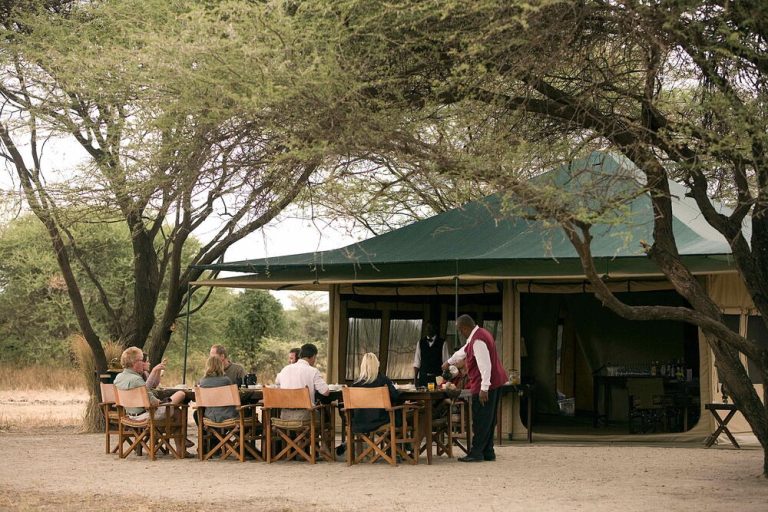
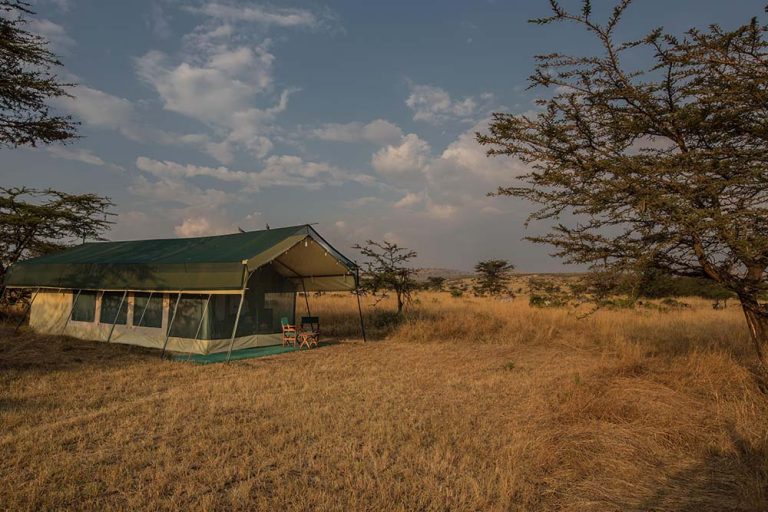
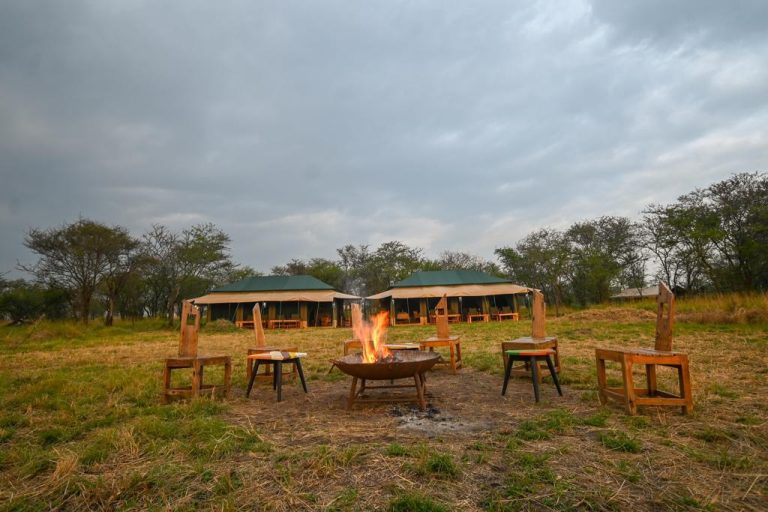
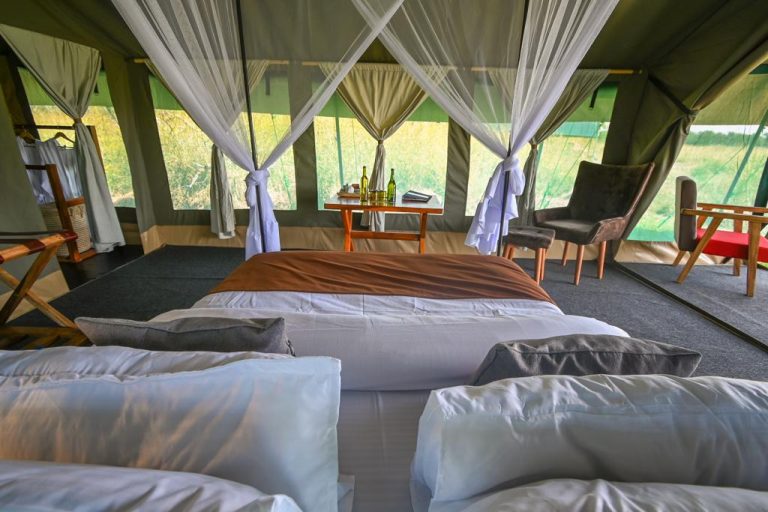
Explore a range of accommodation options designed to suit various preferences and budgets at this location. From comfortable lodges and tented camps to modern hotels, the area provides convenient access to nearby attractions and activities. Scroll through the carousel to find detailed listings of each property, including amenities and contact information, making it easy to plan your stay.
No results available
Explore Diani with these recommended tours
No results available
December to March is the main high season, hot and reliably dry with the calmest, clearest water for snorkelling and diving, though it is also the busiest and most expensive. June to October is the second dry window, cooler and less humid thanks to the kusi monsoon, and it is the kitesurfing season. April and May bring the long rains, with May the wettest month, and are best avoided for a beach holiday.
Scheduled flights from Wilson Airport to Ukunda airstrip take about an hour and land directly behind the beach, which is the simplest option. The Madaraka Express railway reaches Mombasa in around five hours, with a road transfer onward that includes the Likoni ferry crossing, which can add substantial delay at peak times. Flying into Ukunda avoids the ferry entirely and is worth the cost for short stays. Baggage allowances on light aircraft are limited.
It is among the best spots on the Indian Ocean, with a wide reef-protected lagoon, shallow water at low tide and steady cross-onshore wind. The main season runs from June to September on the kusi monsoon, with July and August the most reliable, and a second shorter window falls around December and January. Several schools operate along the beach offering equipment hire and certified instruction. The reef flattens the water, which makes it unusually forgiving for beginners.
More than most beach destinations offer. The Colobus Conservation project in the forest behind the hotels works with the endangered Angolan colobus and welcomes visitors. Shimba Hills National Reserve is half an hour inland and holds sable antelope and elephant. Kisite-Mpunguti Marine Park to the south offers dolphin watching by dhow, and the Kaya Kinondo sacred forest can be visited with a village guide. Skydiving over the reef also operates from Ukunda.
Yes, and it is worth understanding before booking. The offshore reef creates a wide shallow lagoon, and at low tide the water retreats a long way, exposing coral and seagrass flats where swimming is not really possible. High tide gives excellent swimming across the whole beach. Tide tables are posted at most hotels, and planning water activities around them makes a considerable difference to a stay. Tide tables are posted at most hotels, and planning water activities around them makes a considerable difference to a stay.
Generally yes, and the resort strip is well patrolled with security at most properties. Petty theft occurs on quieter stretches of beach, so avoid carrying valuables and do not walk isolated sections after dark. Beach vendors can be persistent but are rarely aggressive; a polite firm refusal works. Agree prices for excursions and taxis in advance, ideally arranging them through your accommodation rather than on the sand. Beach vendors can be persistent but are rarely aggressive, and a polite firm refusal is generally enough.
Five to seven nights suits a beach-focused trip, allowing genuine downtime plus a day inland at Shimba Hills and a dhow trip to Kisite-Mpunguti. Three or four nights works well as an add-on after a Maasai Mara safari, which is how a great many visitors use it. Kitesurfers taking lessons should allow at least five days, since progress depends on wind and conditions varying day to day. Pemba combines naturally with a few nights in Stone Town on Unguja at either end of a trip.
Very easily, and it is the standard Kenyan itinerary. Scheduled light aircraft connect Ukunda with the Maasai Mara, Amboseli and Tsavo, so a safari can be followed by a beach stay without returning to Nairobi. Tsavo East is the closest park by road, around four hours, making it feasible as a two-night addition. Most operators sell the combination as a single package. Tsavo East is the closest park by road at around four hours, making it feasible as a two-night addition, and most operators sell the combination as a single package.
Explore other optional accommodation to consider at