

Botswana
Okavango · Chobe
Drift the Okavango by mokoro and watch elephant herds cross the Chobe at dusk.
Read more Tanzania
412 sq km
20 'C
10mm
12 Year
Kitulo Plateau National Park is the first national park in tropical Africa created primarily to protect flowers rather than large mammals, covering 412 square kilometres of high grassland in Tanzania’s Southern Highlands.
Local people have long called the plateau Bustani ya Mungu, the Garden of God, and botanists know it as the Serengeti of Flowers. Around 350 plant species grow on this open country, including 45 varieties of terrestrial orchid, and between December and April the grassland is carpeted in bloom.
At roughly 2,600 metres between the Kipengere and Poroto ranges, Kitulo is cold, wet and very quiet. Frost has been recorded on the open grassland, which is unusual anywhere in Tanzania, and the climate is closer to a temperate mountain than to the savanna most visitors expect.
Large mammals are scarce, and visitors should arrive understanding that. The neighbouring Livingstone Forest, however, holds the kipunji, a monkey unknown to science until 2005 and found nowhere else on earth, and the plateau is important for montane birds including one of the strongest blue swallow populations anywhere.
The Kinga and Wanji peoples farm the highlands surrounding the plateau, working cool volcanic soils that support potatoes, wheat and pyrethrum alongside the maize grown across most of Tanzania. The farming calendar here differs from the rest of the country because of the altitude.
The plateau’s local name, Bustani ya Mungu, predates any scientific interest in its flora by generations, and grazing on the high grassland has been part of the region’s pastoral system for a very long time. The park’s creation in 2005 changed those access patterns, and that history is worth understanding.
Matamba and Chimala are the usual access villages, and community guides from both lead most walks across the plateau. Guiding and portering provide meaningful income in an area with few other opportunities for cash employment.
The descent of the Chimala escarpment road, with its 57 hairpin bends cut into the mountainside, is a minor attraction in its own right and a piece of engineering the region takes some pride in. Drivers from the villages know it far better than any visitor will.
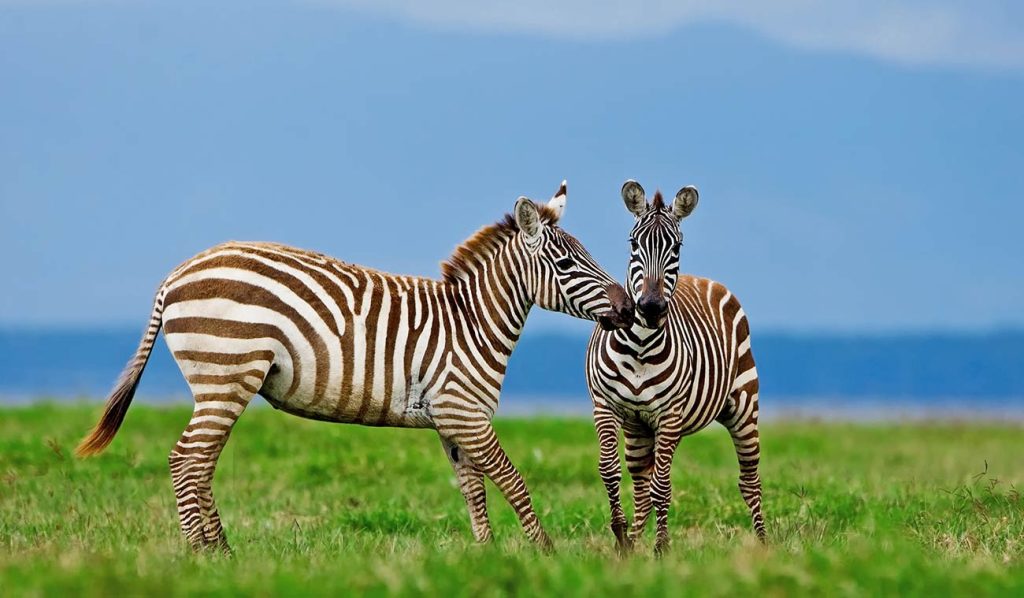
Kitulo was gazetted in 2005 as the first national park in tropical Africa created primarily to protect flora rather than large mammals, and visitors should come understanding that.
The plateau supports around 350 vascular plant species, including 45 varieties of terrestrial orchid, and the flowering display between December and April is the reason to make the journey. Large mammals are scarce, though the adjacent Livingstone Forest holds the kipunji, a monkey new to science as recently as 2005 and found nowhere else on earth.
The plateau and its forest fringes are important for montane and grassland birds, several of them restricted to Tanzania’s Southern Highlands.
Denham’s bustard, blue swallow, mountain marsh widowbird and the endangered Kipengere seedeater all occur here. The blue swallow in particular draws birders, since Kitulo holds one of its most significant breeding populations.
By Car
The plateau is reached from Mbeya, roughly 100 kilometres away via Chimala and the escarpment road, or via Matamba. Allow three to four hours from Mbeya. A 4×4 is essential and the escarpment road is impassable to ordinary vehicles.
By Air
Mbeya’s Songwe Airport has scheduled flights from Dar es Salaam, and the plateau is reached by road from there. There is no airstrip at the park itself.
Exploring the wildlife and attractions of this East African gem offers a once-in-a-lifetime experience filled with breathtaking landscapes, diverse ecosystems, and unforgettable encounters with nature.
No results available
At around 2,600 metres Kitulo is genuinely cold by Tanzanian standards, and the most common mistake visitors make is packing for a tropical country. Days reach 18°C to 22°C, and nights fall to 5°C or below in June and July, with frost recorded on the open grassland.
Rain is heavy from November through April, which is precisely when the plateau flowers. Annual rainfall exceeds 1,300 millimetres, and the wettest months bring sustained cloud that can reduce visibility on the open grassland to a few metres within minutes.
The dry months from June to September are clear, cold and largely bare. Long views open up across the Southern Highlands and walking underfoot is far easier, but the flowers that justify the park’s existence are gone.
There is no shelter of any kind on the plateau, no tree cover and no ranger post within reach of most routes, so carry warm and waterproof layers even on a clear morning.
Check the forecast in Mbeya and turn back early if cloud is building on the plateau.
Kitulo is the one Tanzanian park where the weather you want and the sight you came for pull in opposite directions.
December to April is the only period that makes real sense for a first visit. The wildflower display peaks between January and March, when the grassland is covered in orchids, aster, iris, lily and red-hot poker. Expect heavy rain and thick cloud alongside it.
June to September is dry, clear and cold, with excellent long-distance views and much easier walking. The plateau is largely bare of flowers, so this window suits hikers rather than botanists.
October and November form a shoulder period as the first rains arrive and the earliest flowers begin, which some visitors find the best compromise.
Birders favour the wetter months, when blue swallow are breeding and the Kipengere seedeater is most active.
Whichever season you choose, pack for cold and wet weather. At 2,600 metres this is one of the coldest places in Tanzania, and there is no shelter of any kind once you are out on the open grassland.
The plateau is open, exposed and subject to fast-changing weather, with mist descending quickly and visibility dropping to a few metres. Carry warm and waterproof layers even on a clear morning, and do not walk without a guide.
There are no dangerous large mammals, which makes this one of the safest parks in Tanzania to walk in. The genuine risks are exposure, the escarpment road, and getting lost in cloud on featureless grassland.
Around 350 plant species, including 45 orchids, peaking January to March.
One of the great tropical orchid displays anywhere in Africa.
A monkey unknown to science until 2005 and found nowhere else.
Blue swallow, Denham's bustard and the Kipengere seedeater.
A hairpin descent that is an experience in its own right.
Montane forest walking on the plateau's northern margin.
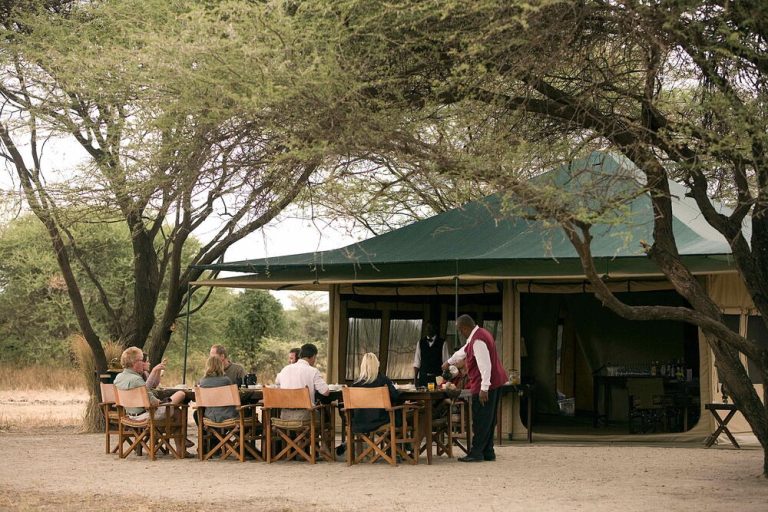
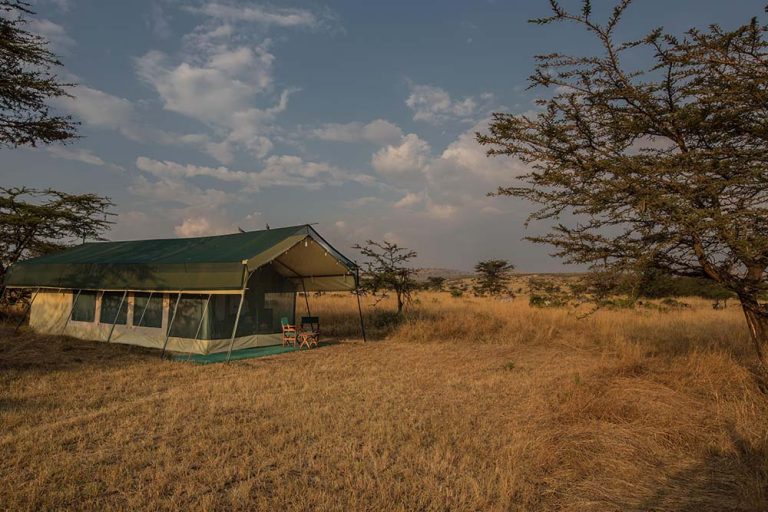
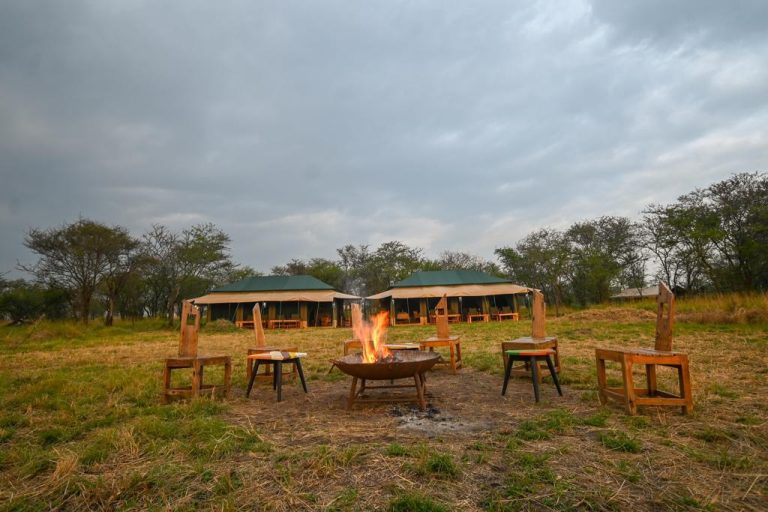
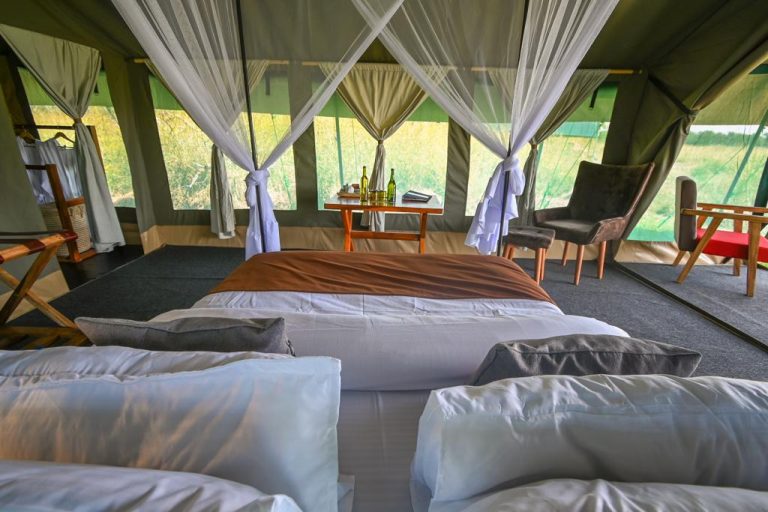
Explore a range of accommodation options designed to suit various preferences and budgets at this location. From comfortable lodges and tented camps to modern hotels, the area provides convenient access to nearby attractions and activities. Scroll through the carousel to find detailed listings of each property, including amenities and contact information, making it easy to plan your stay.
No results available
Explore Kitulo Plateau National Park with these recommended tours
No results available
Flowers, uniquely among African national parks. Kitulo was gazetted in 2005 as the first park in tropical Africa established primarily to protect flora rather than large mammals, and it supports around 350 plant species including 45 varieties of terrestrial orchid. Local people have long called it Bustani ya Mungu, the Garden of God, and botanists know it as the Serengeti of Flowers. It is also one of very few African parks where the main activity is walking slowly and looking down.
The display runs roughly from December to April and peaks between January and March, when the open grassland is carpeted with orchids, aster, iris, lily and red-hot poker. That coincides with the heaviest rain of the year, which is unavoidable because the flowering depends on it. Visiting in the dry months of June to September gives you clear views and easier walking but almost no flowers at all, so the two priorities genuinely conflict.
Very little in the conventional sense, and you should arrive knowing that. Large mammals are scarce on the plateau itself. The notable exception is the adjacent Livingstone Forest, home to the kipunji, a monkey unknown to science until 2005 and found nowhere else on earth. Birding is genuinely strong, with blue swallow, Denham’s bustard and the endangered Kipengere seedeater among the draws for anyone with an interest in montane species.
The plateau is reached from Mbeya in Tanzania’s Southern Highlands, roughly 100 kilometres away via either Chimala or Matamba, and the journey takes three to four hours. The Chimala escarpment road with its 57 hairpin bends is memorable but demanding, and a 4×4 is essential on either route. Mbeya’s Songwe Airport has scheduled flights from Dar es Salaam for those wanting to avoid the long drive south from the coast.
Colder than almost anywhere else in Tanzania. At around 2,600 metres, daytime temperatures reach only 18°C to 22°C and nights fall to 5°C or below during June and July, with frost recorded on the open grassland. Accommodation in the region rarely has heating. Bring a proper warm jacket, layers, gloves and a waterproof, and treat this as a temperate mountain destination rather than an African savanna one.
Walking with a guide is the main activity and is essentially unrestricted, which is rare among Tanzanian national parks and possible only because there are no dangerous large mammals here. Routes range from gentle strolls across the flower meadows to longer hikes toward the Numbe forest and the Kipengere ridges. A guide is required, both for navigation on featureless grassland and because mist can reduce visibility to a few metres.
There is no accommodation inside the park and no facilities of any kind, so most visitors base themselves in Mbeya, three to four hours away, or in the smaller settlements of Matamba and Chimala closer to the access roads. Fuel, food and water should all be bought in Mbeya before setting out. Camping is possible with prior arrangement through the park authority but is entirely self-sufficient. Camping is possible with prior arrangement through the park authority but is entirely self-sufficient, with no water or facilities on the plateau.
For anyone with a genuine interest in plants, birds or high-altitude landscapes, yes, and there is nothing else like it in Africa. For a visitor expecting conventional game viewing it will be a disappointment, and that is worth being honest about before committing to the long drive south. It combines well with the Southern Highlands more broadly, including Mbeya Peak, Ngozi Crater Lake and the Kaporogwe Falls. It combines well with the Southern Highlands more broadly, including Mbeya Peak, Ngozi Crater Lake and the Kaporogwe Falls.
Explore other optional accommodation to consider at