Tanzania
All year round
552 sq km
25 'C
20mm
12 Year
Arusha National Park covers 552 square kilometres immediately north-east of Arusha, and packs an unusual variety of landscape into a small area: the Ngurdoto Crater, the Momella Lakes and the slopes of Mount Meru.
Mount Meru itself rises to 4,566 metres and is Tanzania’s second highest peak, a classic four-day trek that is both a fine climb in its own right and the best possible acclimatisation for Kilimanjaro.
The park is the only one on the northern circuit where you can walk and canoe. There are no lion and elephant are scarce, which is precisely why guided walking safaris and canoe trips on the Momella Lakes are permitted here and almost nowhere else nearby.
Black-and-white colobus monkeys are the signature species, along with giraffe, buffalo, bushbuck and waterbuck, and the alkaline Momella Lakes draw flamingo in fluctuating numbers. Its position 25 kilometres from Arusha makes it the easiest day trip on the entire circuit.
The Meru people farm the fertile southern and eastern slopes of Mount Meru, growing coffee and bananas on volcanic soil in one of the most densely settled rural areas in Tanzania.
The Maasai graze the drier plains to the north and east of the park, and the two communities have a long history of trade and occasional friction over land and water in the foothills.
Cultural tourism programmes at Ilkiding’a, Ng’iresi and Mulala on the Meru slopes are among the oldest in the country. They offer village walks, farm visits, cooking with local families and guided hikes to waterfalls, with fees supporting community projects directly.
The park was originally gazetted as Ngurdoto Crater National Park in 1960 and expanded to include Mount Meru and the Momella Lakes, taking its present name after independence. The Momella area was used as a location for the 1962 film Hatari, which is still remembered locally.

Arusha National Park offers a diverse range of wildlife encounters, making it a must-visit destination for nature enthusiasts. The park is home to a variety of iconic African wildlife, including giraffes, zebras, buffaloes, and monkeys. Visitors can embark on thrilling game drives through the park’s varied landscapes, from the lush forests to the open savannah, providing ample opportunities to spot these magnificent creatures in their natural habitat.
One of the highlights of wildlife encounters in Arusha National Park is the chance to see the rare black and white colobus monkeys, which are indigenous to the area. These striking monkeys can often be seen leaping through the trees, providing a captivating sight for visitors. The park is also a haven for bird watchers, with over 400 species of birds recorded within its boundaries. Bird enthusiasts can enjoy spotting a variety of colorful birds, including flamingos, herons, and eagles, making Arusha National Park a paradise for bird watching.
Arusha National Park is renowned for its diverse and vibrant birdlife, attracting birdwatchers from around the world. With over 400 species recorded, the park offers a rich and rewarding birding experience. One of the park’s highlights is the presence of flamingos, which can often be seen wading in the shallow waters of the Momella Lakes, creating a stunning pink-hued spectacle.
The park’s varied habitats, ranging from montane forests to open savannahs and wetlands, provide a habitat for a wide range of bird species. Bird enthusiasts can spot a variety of species, including herons, egrets, pelicans, and kingfishers, among many others. The diverse birdlife, combined with the park’s picturesque landscapes, makes Arusha National Park a paradise for birdwatching enthusiasts of all levels.
Fly to Kilimanjaro International Airport (JRO) or Arusha Airport (ARK). Transfers to the Momella Gate area typically take 45–90 minutes, depending on traffic and lodge location.
From Arusha city, drive 40–60 km to park gates via well-maintained roads; 4×4 recommended for interior tracks in rain. Permits, guides, and activity bookings are arranged through operators or at designated offices.
Exploring the wildlife and attractions of this East African gem offers a once-in-a-lifetime experience filled with breathtaking landscapes, diverse ecosystems, and unforgettable encounters with nature.
No results available
Arusha National Park spans a considerable altitude range, from around 1,500 metres at the Momella Lakes to 4,566 metres at the summit of Mount Meru, and conditions vary enormously across it. At the lower levels days run 22°C to 27°C and nights fall to 11°C to 15°C.
On Meru itself the picture is entirely different. Temperatures drop steadily with height, and the summit is genuinely cold, frequently below freezing before dawn when trekkers make the final push from Saddle Hut.
Rain falls in two seasons, with the long rains from March to May peaking in April at around 250 millimetres, and short rains through November and December. Rainfall is high on the mountain’s southern slopes, which is why the forest belt is dense and the colobus so numerous.
The dry months of June to October and again January to February bring the clearest views. On a clear morning both Meru and Kilimanjaro are visible from the park, and cloud often closes in by mid-morning, so go early.
Arusha National Park works year-round and is far less seasonal than the larger parks, since its wildlife does not migrate and its appeal rests as much on landscape as on game.
June to October is the driest and clearest window, and the main season for climbing Mount Meru. Trails are firmer, summit views across to Kilimanjaro are at their most reliable, and walking and canoeing conditions in the lower park are ideal.
December to February forms a second dry window, warmer and quieter, and is also good for the Meru trek. Flamingo numbers on the Momella Lakes follow water levels rather than a fixed calendar.
March to May brings the long rains, when the forest is at its most striking but trails become slippery and the mountain is often hidden for days.
For a day visit, simply go early: the peaks usually disappear behind cloud by mid-morning.
For a day visit from Arusha, simply go early. Both peaks are usually visible at first light and lost behind cloud by mid-morning, and the colobus are most active in the cool of the early day.
Arusha National Park is considered safe with licensed guides and adherence to ranger instructions. Walking safaris require an armed ranger; always follow spacing, keep voices low, and avoid sudden movements around buffalo, giraffe, or hippo areas. Stay on signed trails—slopes can be slick after rain, and fig roots create ankle traps.
Canoe trips provide life jackets and safety briefings; remain seated during wildlife approaches. On drives, keep windows partly up near baboons and never feed animals. For the Mount Meru trek, pace steadily, hydrate, and respect turnaround times set by guides; altitude, wind, and chill are the main challenges rather than technical climbing.
Roads may be muddy in the rains; use a reliable 4×4 and experienced driver, and avoid night driving. Secure valuables discreetly at lodges and carry only essentials on walks. Mobile coverage is decent near gates, weaker in interior valleys. With basic precautions and professional guiding, Arusha delivers low-risk, high-reward adventures.
A four-day climb to 4,566 metres and the best Kilimanjaro acclimatisation.
Guided walking with a ranger, permitted here but not in most northern parks.
Paddle alkaline lakes among waterbuck, buffalo and flamingo.
A forested caldera viewed from rim viewpoints, sometimes called Little Ngorongoro.
Black-and-white colobus in the forest belt, the park's signature species.
A guided forest walk to a waterfall on the mountain's lower slopes.
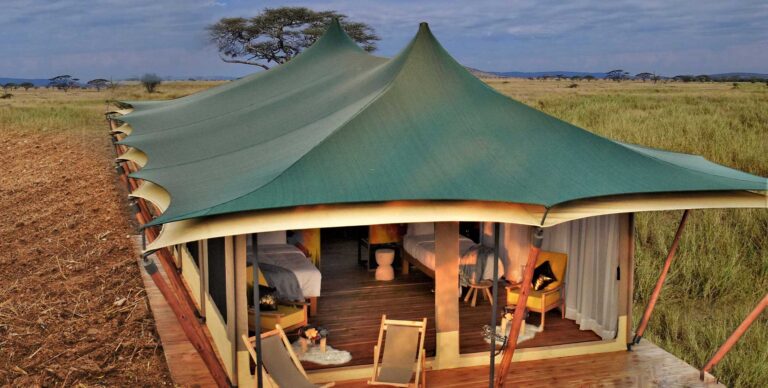
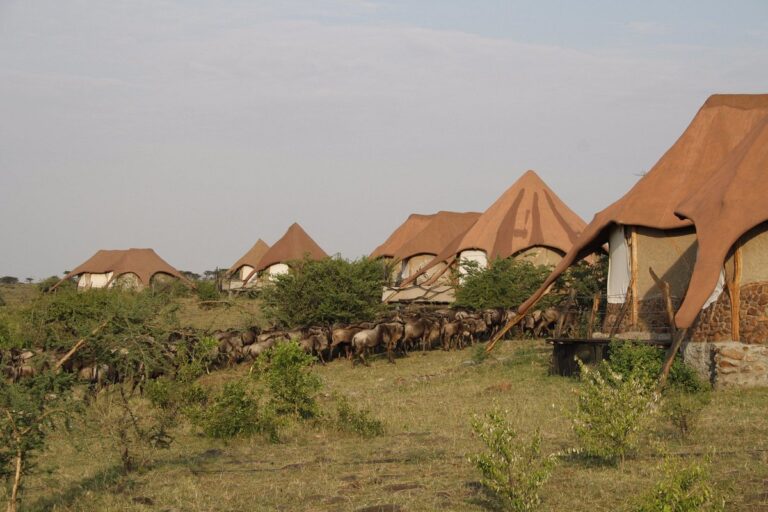
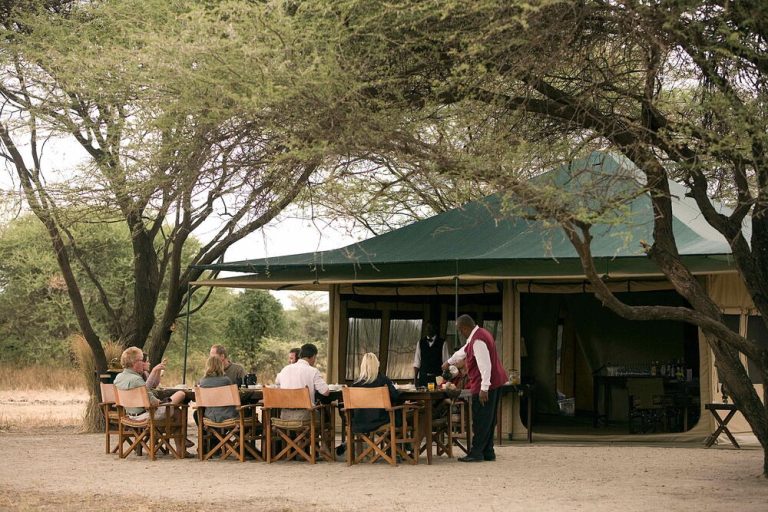
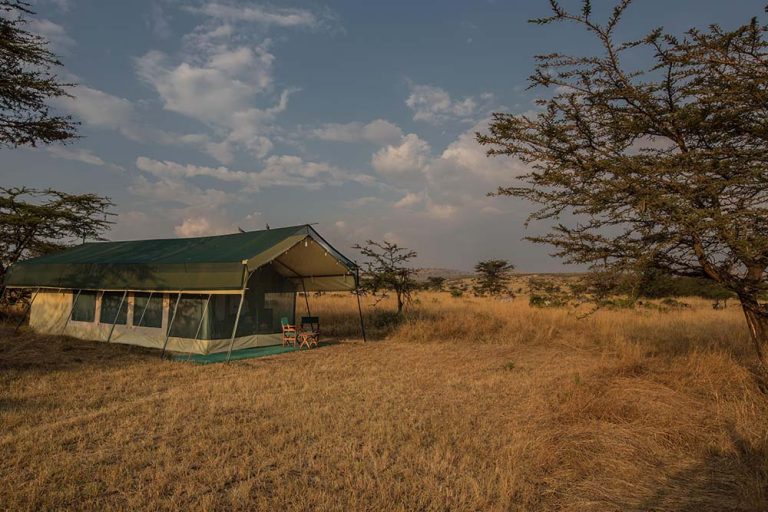
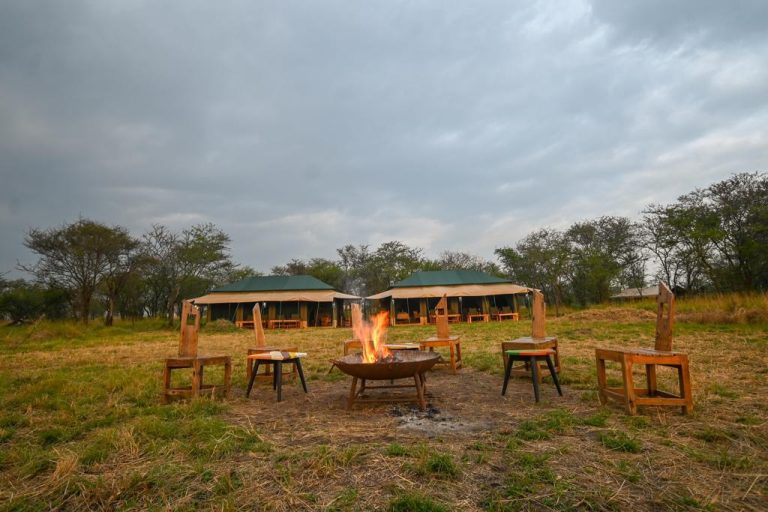
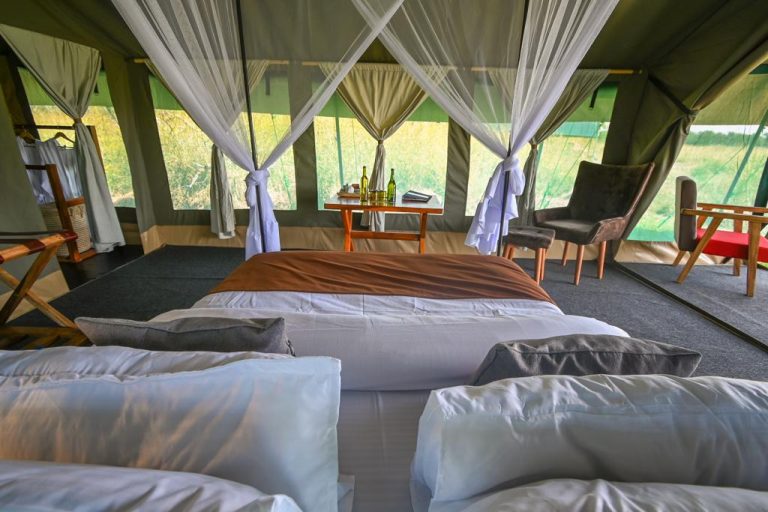
Explore a range of accommodation options designed to suit various preferences and budgets at this location. From comfortable lodges and tented camps to modern hotels, the area provides convenient access to nearby attractions and activities. Scroll through the carousel to find detailed listings of each property, including amenities and contact information, making it easy to plan your stay.
No results available
Explore Arusha National Park with these recommended tours
No results available
Because there are no lion in the park and elephant are scarce, the risk profile is entirely different from Tarangire or the Serengeti. That allows Tanzania National Parks to permit guided walking safaris and canoeing here, activities prohibited in the larger northern parks. Walks are still led by an armed ranger, and buffalo remain the animal that warrants most caution, but the park offers a freedom the rest of the circuit does not.
It is widely considered the best acclimatisation available. At 4,566 metres, Meru takes three to four days and reaches an altitude high enough to prompt genuine physiological adaptation, so climbers who summit Meru before starting Kilimanjaro have markedly better success rates. The trek is also a fine climb in its own right, with a dramatic ridge walk along the crater rim to Socialist Peak. Climbers who summit Meru before starting Kilimanjaro have markedly better success rates on the higher mountain.
Three to four days is standard, with four the more comfortable option. The route passes through forest, then giant heather and moorland, with huts at Miriakamba and Saddle Hut. The summit push starts around midnight from Saddle Hut to reach Socialist Peak for sunrise, when Kilimanjaro appears across the plain. An armed ranger accompanies every group, as buffalo are present in the lower forest. An armed ranger accompanies every group, as buffalo are present throughout the lower forest belt.
Easily, and it is the most practical day safari from Arusha city, lying only 25 kilometres away with the gate under an hour by road. A full day allows the Ngurdoto Crater viewpoints, the Momella Lakes and a walking safari or canoe trip. Many visitors use it as a gentle first day before a longer circuit, or as an acclimatisation day before climbing Meru or Kilimanjaro. Many visitors use it as a gentle first day before a longer circuit, or as an acclimatisation day before climbing Meru or Kilimanjaro.
Giraffe are exceptionally numerous, and black-and-white colobus monkeys in the forest belt are the park’s signature sighting. Buffalo, waterbuck, bushbuck, warthog, blue monkey and baboon are all common. There are no lion, elephant are rare, and leopard occur but are seldom seen. The Momella Lakes draw flamingo in fluctuating numbers along with a wide range of waterbirds, so bring binoculars. The Momella Lakes draw flamingo in fluctuating numbers along with a wide range of waterbirds, so bring binoculars for the lakeshore stops.
Yes, on the Momella Lakes, and it is one of very few places in northern Tanzania where canoeing is permitted inside a national park. Trips run with a guide and last around two hours, bringing you close to waterbuck and buffalo grazing the shoreline and to the birdlife on the water. It works particularly well combined with a walking safari as a full day out from Arusha. It works particularly well combined with a walking safari as a full day out from Arusha city.
June to October and again December to February are the driest windows, with the clearest views of both Meru and Kilimanjaro and the best conditions for climbing. March to May brings the long rains, when trails become slippery and the mountains are often hidden. For a day visit in any month, go early: the peaks are usually visible at first light and disappear behind cloud by mid-morning. For a day visit in any month, go early: the peaks are usually visible at first light and disappear behind cloud by mid-morning.
It offers variety rather than volume. You will not see the herds or predator concentrations of Tarangire or the Serengeti, but you get forest, crater, lakes and a 4,566-metre mountain within 552 square kilometres, plus walking and canoeing that the larger parks prohibit. It works best as a first or last day on a circuit rather than as a substitute for time in the major parks. It works best as a first or last day on a circuit rather than as a substitute for time in the major parks.
Explore other optional accommodation to consider at