Tanzania
260 sq km
22 'C
15mm
12 Year
The Ngorongoro Crater is the largest intact volcanic caldera in the world, a collapsed cone some 260 square kilometres across with walls rising around 600 metres from the floor.
Roughly 25,000 large animals live within it, and because the walls act as a natural enclosure with permanent water and year-round grazing, most of that population never leaves. The result is one of the densest concentrations of wildlife anywhere on earth, and a place where a single morning can produce lion, elephant, buffalo, black rhino and flamingo.
The floor is a mosaic of open grassland, the Lerai fever tree forest, the Mandusi and Gorigor swamps, and the shallow soda lake of Magadi. Each supports a different set of species, and the whole circuit can be driven in a few hours.
The crater sits within the wider Ngorongoro Conservation Area and is its centrepiece. Vehicle access is controlled, descent and ascent use separate one-way roads, and time on the floor is capped at six hours, which is enforced.
The crater lies within a conservation area rather than a national park, and that distinction matters: around 100,000 Maasai live within the wider Ngorongoro area under a multiple-use arrangement dating from 1959, grazing cattle across the highlands alongside the wild herds.
Maasai are permitted to bring livestock down to water on the crater floor, so it is entirely normal to see herders and cattle sharing the grassland with buffalo and zebra. Permanent settlement on the floor itself is not allowed.
The arrangement has been contested throughout its history, and restrictions on cultivation and grazing remain a live political issue in Tanzania. Visitors will encounter strong and differing views on it locally.
Cultural visits operate from villages on the crater rim and across the highlands, covering herding practice, beadwork and traditional dance. Booking through your operator or a community-run programme ensures the fees reach the households involved rather than intermediaries.
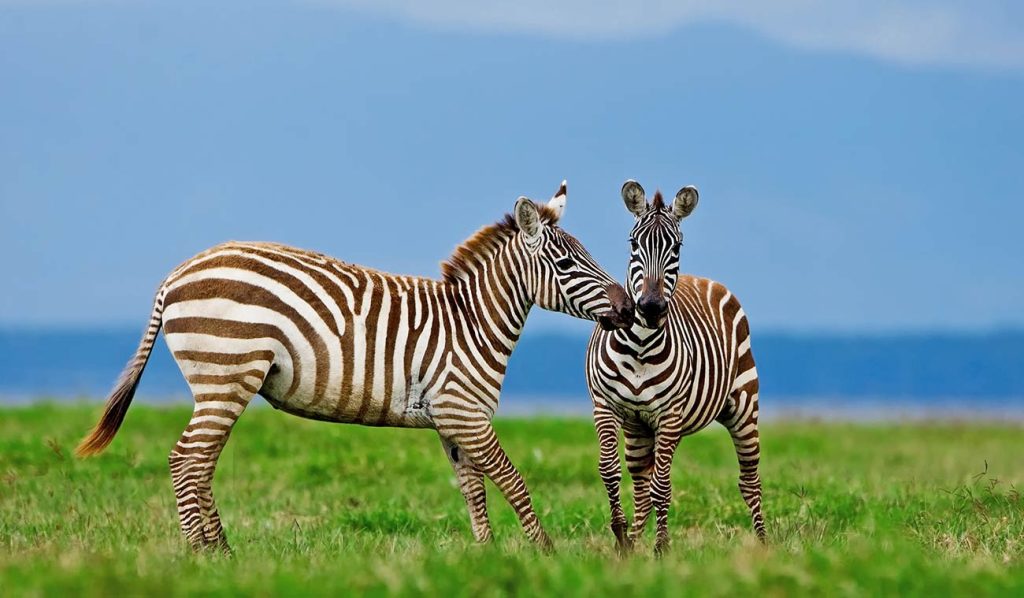
Descending down to the crater floor is an experience like no other. You’ll quickly notice the distinct ecosystem contained within the crater, markedly different from the surrounding plains. Lush swamps, forested areas, soda lakes, and savannah grasslands provide diverse habitats for the prolific wildlife populating the crater. It’s been dubbed “Africa’s Eden” for its density of animals, numbering over 25,000 zebras, wildebeest, elephants, and gazelles. Lucky visitors may even spot the endangered black rhino.
Descending down to the crater floor is an experience like no other. You’ll quickly notice the distinct ecosystem contained within the crater, markedly different from the surrounding plains. Lush swamps, forested areas, soda lakes, and savannah grasslands provide diverse habitats for the prolific wildlife populating the crater. It’s been dubbed “Africa’s Eden” for its density of animals, numbering over 25,000 zebras, wildebeest, elephants, and gazelles. Lucky visitors may even spot the endangered black rhino.
Exploring the wildlife and attractions of this East African gem offers a once-in-a-lifetime experience filled with breathtaking landscapes, diverse ecosystems, and unforgettable encounters with nature.
No results available
The crater rim sits at around 2,200 to 2,400 metres and the floor at roughly 1,700 metres, which makes Ngorongoro markedly cooler than anywhere else on the northern circuit. Rim temperatures reach 20°C to 24°C by day and fall to 8°C or below at night, while the floor is several degrees warmer.
Morning mist on the rim is a near-daily feature and often does not lift until mid-morning, though it frequently sits above a clear crater floor. Descending through cloud into bright sunshine is one of the more memorable parts of a visit.
The long rains run March to May, with April the wettest at around 180 millimetres, and short rains fall in November and December. Annual rainfall on the rim is high at roughly 1,000 millimetres, which keeps the floor green and the swamps full.
Warm clothing matters more here than anywhere else in northern Tanzania. Bring a fleece, a windproof layer and long trousers, alongside sun protection for the floor itself.
The crater is the one destination on the northern circuit that works genuinely well in every month, because its wildlife does not migrate.
June to October is dry, clear and cold at night, with the easiest driving conditions and most reliable descent roads. This is peak season, so expect a considerable number of vehicles on the floor during the middle of the day.
December to March is green and coincides with wildebeest calving on the adjoining Ndutu plains, which many consider the finest time to be in the wider Ngorongoro area. Rim mist is less persistent than during the long rains.
April and May bring heavy rain and slippery descent roads, though rates fall sharply and the floor is far quieter.
Whatever the month, descend early. Floor time is capped at six hours and predator activity is highest in the first hour after the gate opens at dawn.
The eastern side of the floor is generally less trafficked than the routes near the descent road, and worth asking your guide about if vehicle numbers around a sighting become a problem during peak season.
Descending down to the crater floor is an experience like no other. You’ll quickly notice the distinct ecosystem contained within the crater, markedly different from the surrounding plains. Lush swamps, forested areas, soda lakes, and savannah grasslands provide diverse habitats for the prolific wildlife populating the crater. It’s been dubbed “Africa’s Eden” for its density of animals, numbering over 25,000 zebras, wildebeest, elephants, and gazelles. Lucky visitors may even spot the endangered black rhino.
Twenty-five thousand animals inside a collapsed caldera, in one morning.
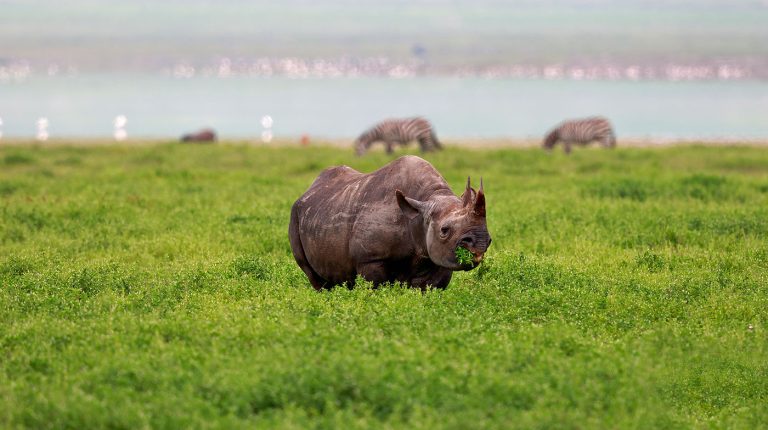
One of Africa's most dependable places to see black rhino.
Large-tusked elephant bulls among yellow-barked acacias.
A shallow soda lake drawing lesser flamingo in fluctuating numbers.
The designated picnic site beside a hippo pool, with notoriously bold kites.
The full sweep of the caldera from the rim, best in early light.
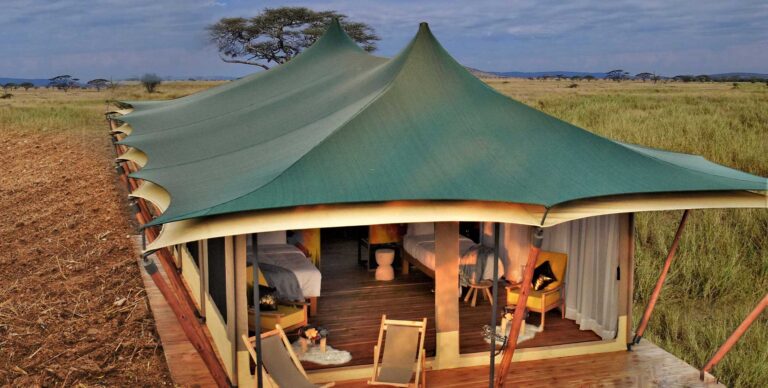
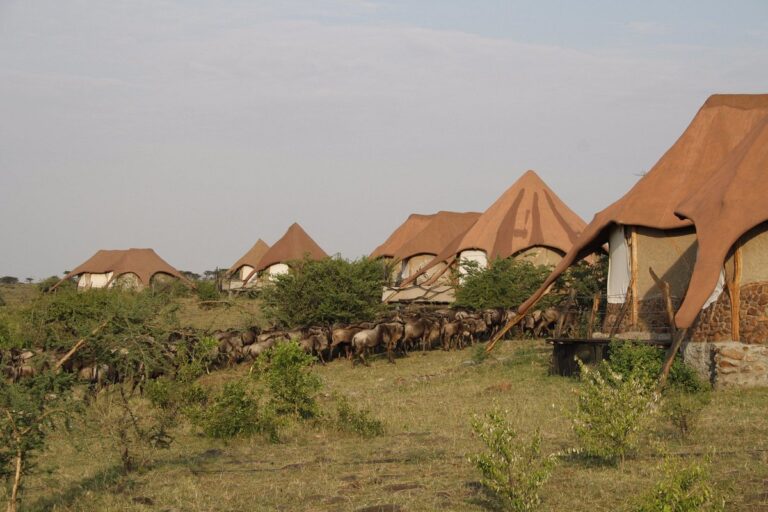
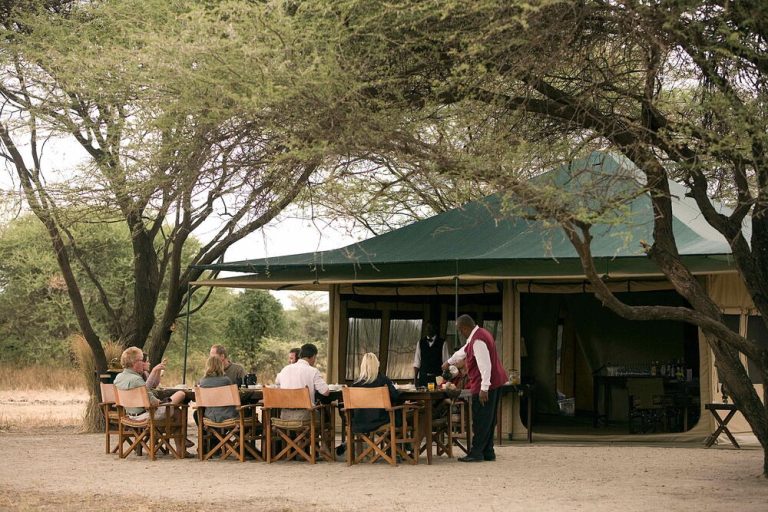
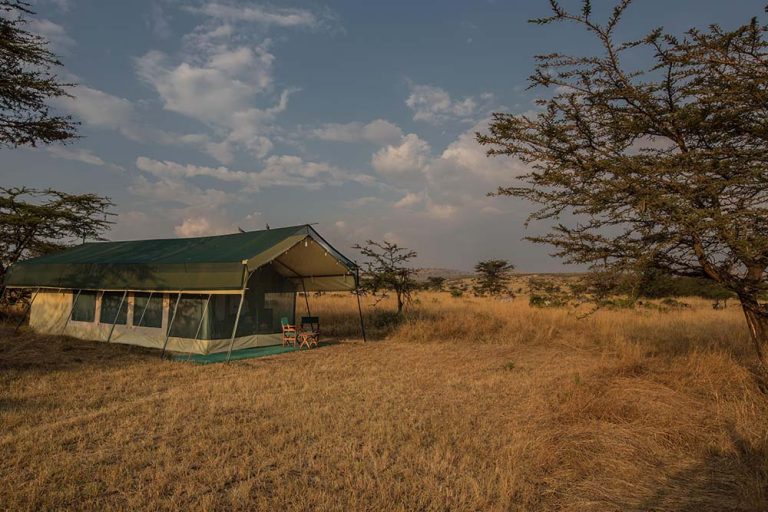
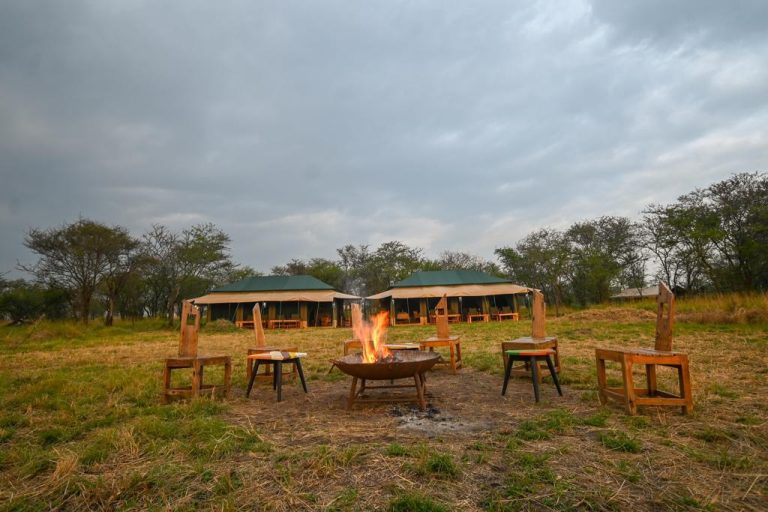
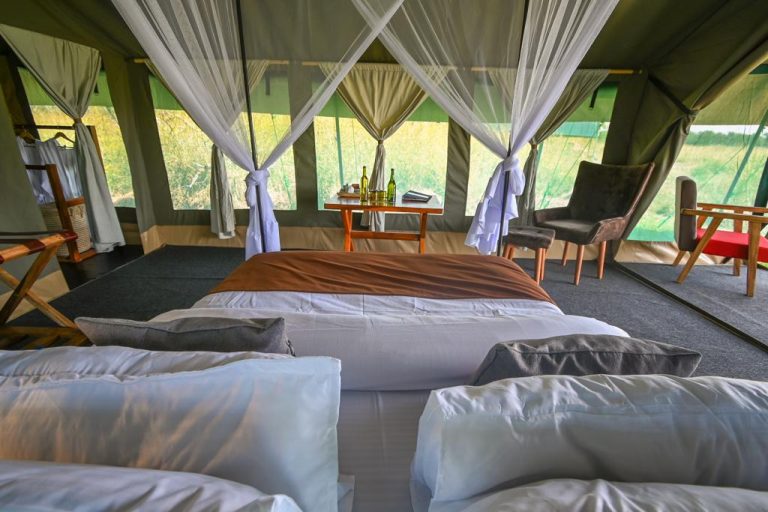
Explore a range of accommodation options designed to suit various preferences and budgets at this location. From comfortable lodges and tented camps to modern hotels, the area provides convenient access to nearby attractions and activities. Scroll through the carousel to find detailed listings of each property, including amenities and contact information, making it easy to plan your stay.
No results available
Explore Ngorongoro Crater with these recommended tours
No results available
The crater is a collapsed caldera roughly 260 square kilometres across with walls some 600 metres high, and those walls act as a natural enclosure. Permanent water, year-round grazing and a mild highland climate mean most animals never need to leave, so around 25,000 large mammals stay resident rather than migrating. That density is why a single morning drive can produce sightings that take days elsewhere on the circuit.
The crater is among the most reliable places in East Africa to see black rhino, though sightings are usually distant across the central grassland rather than close up. The population is small, closely monitored and heavily protected, and rangers track individual animals daily. Bring binoculars and set expectations accordingly, because a rhino here is more often a grey shape on open grass than a photographic subject at close range. Rangers can often advise at the descent gate where animals were seen that morning, which is worth asking before committing to a route.
Six hours, and the limit is enforced at the exit gate. That is deliberate, intended to reduce pressure on the floor from vehicle numbers, and it shapes how you should plan the day. Descend as soon as the gate opens at dawn, because the first hour is quiet, cool and by far the most productive for predator activity before the bulk of the traffic arrives. Descend as soon as the gate opens, because the first hour is quiet, cool and by far the most productive for predator activity.
Yes, and it is not optional. Only authorised vehicles with registered drivers may use the descent and ascent roads, which are steep, one-way and slippery when wet. Ordinary saloon cars are not permitted. If you are travelling independently rather than with an operator, you will need to arrange a permitted vehicle and driver at Ngorongoro, which is best organised in advance through your lodge. If travelling independently you will need to arrange a permitted vehicle and driver at Ngorongoro, which is best organised in advance through your lodge.
Rim lodges give you the shortest possible descent in the morning but are limited in number and expensive, and they book out far ahead. Karatu, about twenty kilometres from the Lodoare gate, has a much wider spread of lodges and farm stays at considerably lower rates, with the trade-off of an earlier start. Most northern circuit itineraries use Karatu for exactly this reason. Karatu lodges frequently sit on coffee farms with gardens and long views, a pleasant contrast to the mist that often sits on the rim.
Colder than most visitors expect for Tanzania. The rim sits at 2,200 to 2,400 metres, where daytime temperatures reach only 20°C to 24°C and nights fall to 8°C or below, particularly between June and August. Morning mist is common and the wind on the rim adds to it. A fleece, a windproof layer and long trousers are genuinely necessary, alongside sun protection for the floor.
It can be, and there is no avoiding that honestly. Vehicle numbers on the floor are significant during peak season between June and October, particularly in the middle of the day and around notable sightings. Descending at dawn gives you an hour or more of relative quiet, and the eastern side of the floor is generally less trafficked than the routes near the descent road. The eastern side of the floor is generally less trafficked than the routes near the descent road, and worth asking your guide about.
The crater is the caldera itself, 260 square kilometres of floor with controlled vehicle access and a six-hour limit. The Ngorongoro Conservation Area is the much larger 8,292 square kilometre multiple-use region surrounding it, taking in the Empakaai and Olmoti craters, the Olduvai Gorge and the highlands where Maasai communities live and graze. Entry fees cover the conservation area, with a separate charge for crater descent. Entry fees cover the conservation area as a whole, with a separate and substantial charge levied for descending into the crater itself.
Explore other optional accommodation to consider at