

Rhino Sanctuary
FENCED SANCTUARY
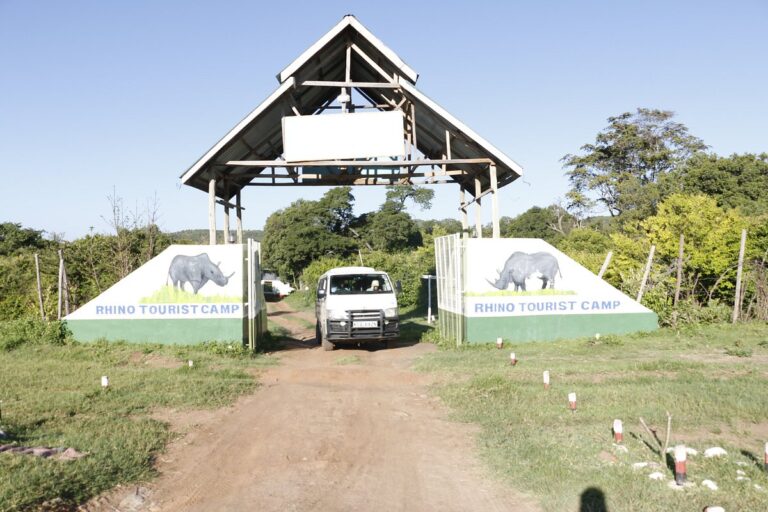
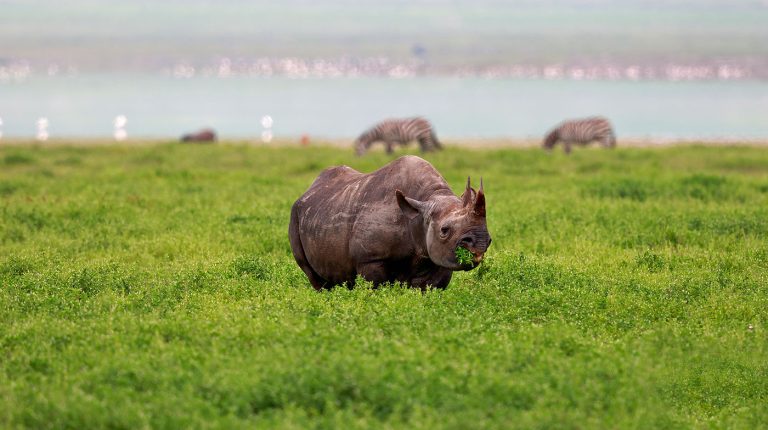
Black rhino reintroduced from South Africa and Europe, visited by arrangement.
Tanzania
3,245 sq km
31 'C
15mm
1 year minimu
Mkomazi National Park covers 3,245 square kilometres of dry acacia and commiphora bush in north-eastern Tanzania, sharing a boundary with Kenya’s Tsavo West to form a single vast ecosystem.
It was a game reserve for decades before being gazetted as a national park in 2008, and its wildlife suffered badly through years of poaching and livestock incursion. Recovery has been slow but real.
Two programmes define the park today. A fenced rhino sanctuary holds black rhino reintroduced from South Africa and the Czech Republic, and a captive breeding programme for African wild dog has released animals back into the wider ecosystem.
Mkomazi is dry-country terrain, and it holds species the northern circuit lacks: gerenuk, lesser kudu, oryx and Grant’s gazelle. The Pare and Usambara mountains rise along its southern edge, and Kilimanjaro is visible to the west on clear days.
The Pare and Sambaa peoples farm the mountains that rise along the park’s southern boundary, and their terraced slopes press directly against the dry bush of the reserve below.
Maasai pastoralists have long grazed this country, and the removal of livestock when the reserve boundaries were enforced in the 1980s remains a contested episode in the region, with litigation continuing for years afterwards.
The George Adamson Wildlife Preservation Trust, which established the rhino sanctuary and the wild dog breeding programme, has operated here since the 1980s, and the park’s conservation story is closely tied to that work.
Visitor numbers remain very low, and there is limited infrastructure. Most people who come are travelling between the coast and Kilimanjaro or making a deliberate detour rather than following a standard circuit.
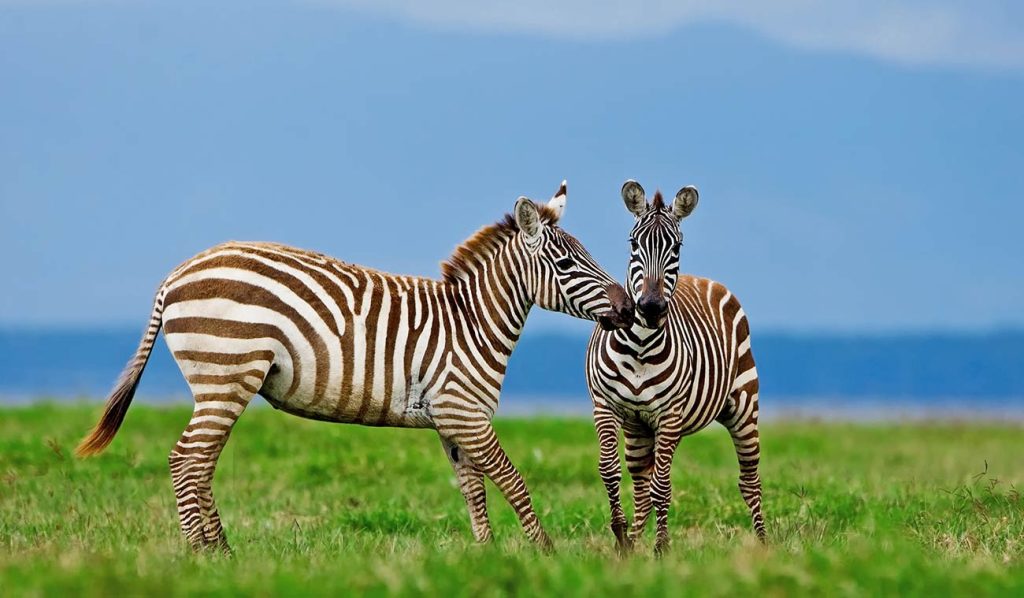
Exploring the wildlife and attractions of this East African gem offers a once-in-a-lifetime experience filled with breathtaking landscapes, diverse ecosystems, and unforgettable encounters with nature.
No results available
Mkomazi is hot and semi-arid, sitting at around 230 to 1,600 metres with the higher ground along the southern boundary noticeably cooler. Days run between 28°C and 34°C and nights fall to 16°C to 21°C.
Rain falls in two seasons, the long rains from March to May peaking in April and short rains through November. Annual rainfall is low at roughly 500 millimetres, which is why the vegetation is thorn bush and open grassland.
The park has no permanent rivers, and water is the constraint on everything. Game concentrates around the few remaining sources through the dry months and disperses widely as soon as the rains arrive.
Heat is the practical consideration. Drives run early and late with a long break through the middle of the day, and dust is significant late in the dry season on the unsealed tracks.
Dust is significant late in the dry season on the unsealed tracks, and the Pare mountains along the southern boundary catch cloud that the bush below never sees.
Mkomazi is strongly seasonal, and the dry months are much the better bet for anyone coming to see wildlife.
June to October is the dry season and the strongest window. Game concentrates around the remaining water sources, the bush thins, and tracks stay firm throughout. September and October are particularly good, though genuinely hot.
January and February form a shorter dry break between the rains and work reasonably well, with fewer visitors and clearer views toward Kilimanjaro.
March to May brings the long rains, when game disperses widely across a very large park and sightings become hard work. Tracks soften and some become difficult.
The rhino sanctuary operates on its own arrangements and requires advance permission rather than being open to casual visitors, so contact the park or your operator well before travelling if it matters to you.
The rhino sanctuary operates on its own arrangements and requires advance permission rather than being open to casual visitors, so contact the park or your operator well before travelling if seeing it matters to your plans.
Black rhino reintroduced from South Africa and Europe, visited by arrangement.
A captive breeding project releasing African wild dog into the ecosystem.
Gerenuk, lesser kudu and oryx, absent from the northern circuit.
The mountain visible across the plains on clear mornings.
Terraced mountain slopes rising directly above the dry bush.
A shared ecosystem with Tsavo West across the northern boundary.
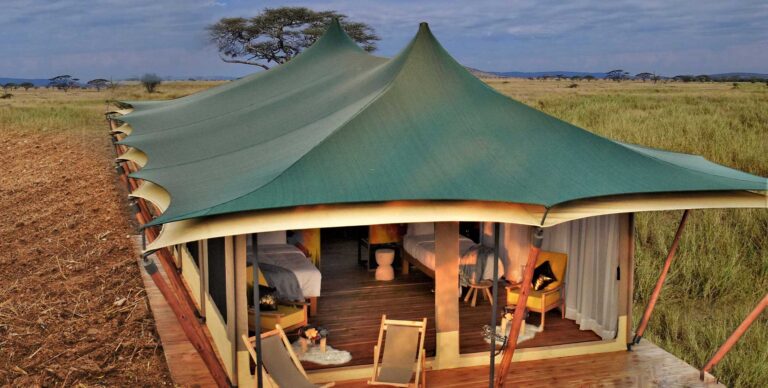
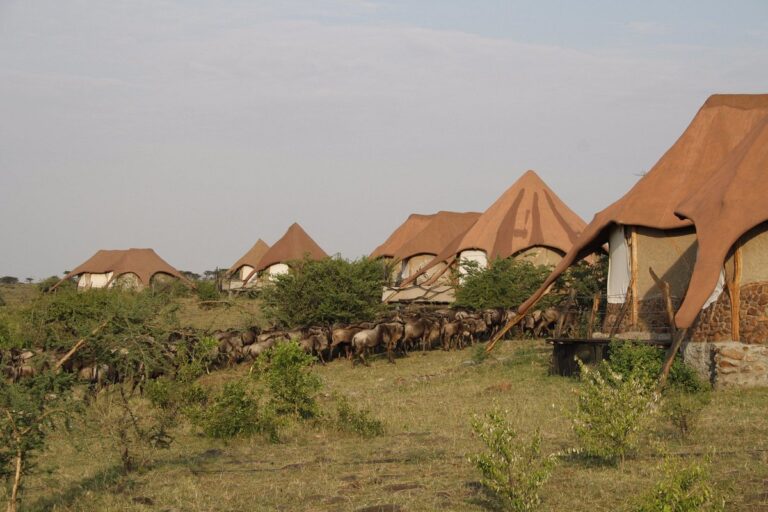
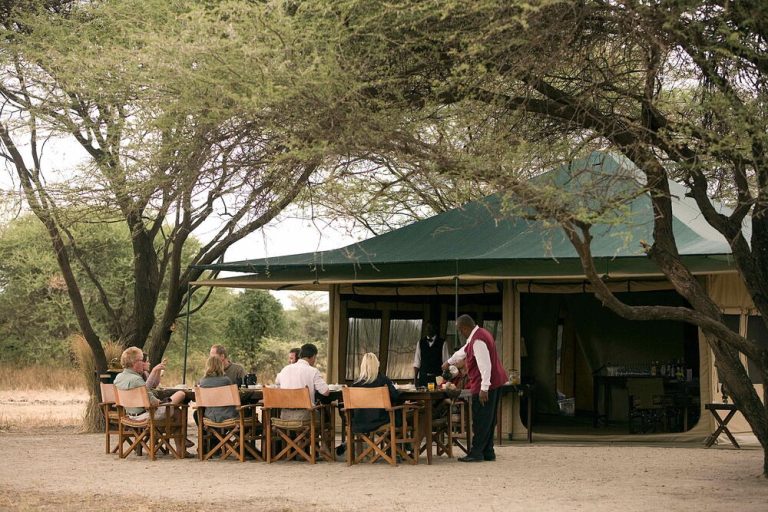
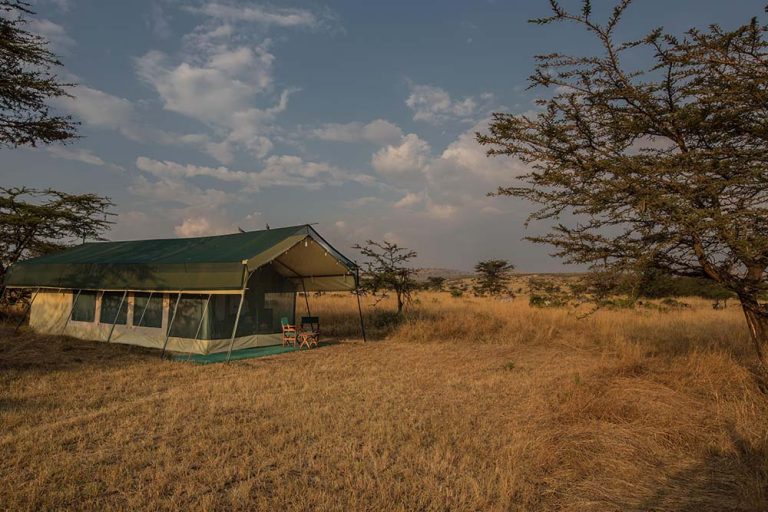
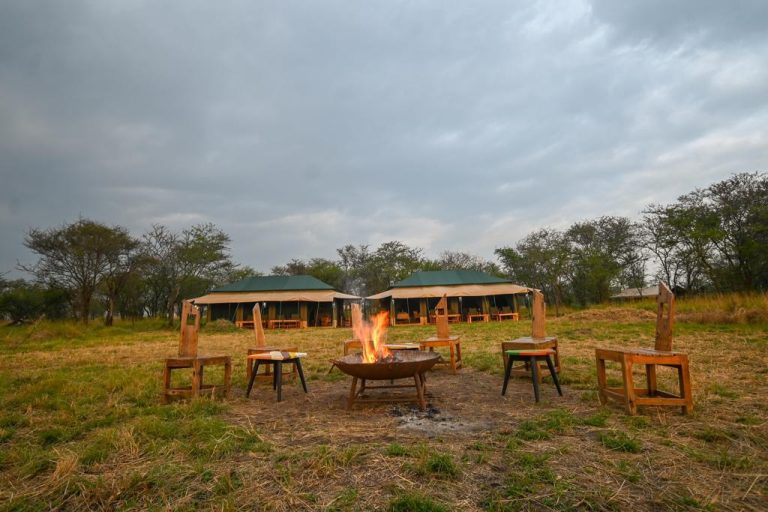
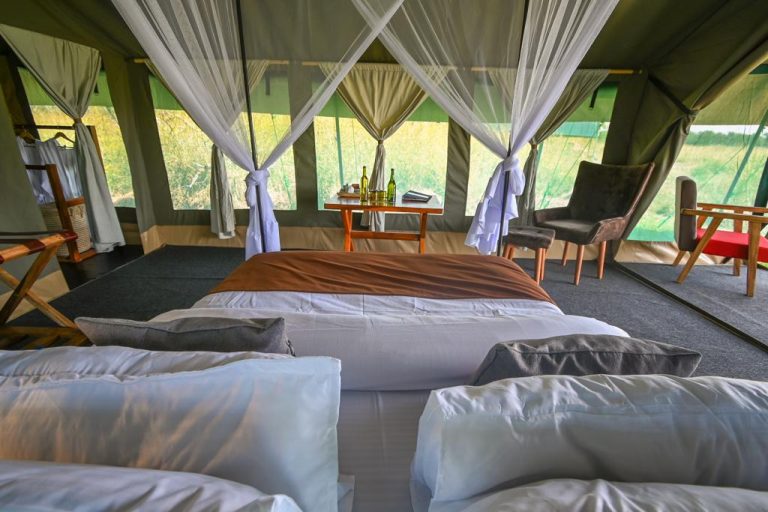
Explore a range of accommodation options designed to suit various preferences and budgets at this location. From comfortable lodges and tented camps to modern hotels, the area provides convenient access to nearby attractions and activities. Scroll through the carousel to find detailed listings of each property, including amenities and contact information, making it easy to plan your stay.
No results available
Explore Mkomazi National Park with these recommended tours
No results available
Two conservation programmes above all. A fenced sanctuary within the park holds black rhino reintroduced from South Africa and the Czech Republic, and a captive breeding programme for African wild dog has released animals back into the wider ecosystem. Beyond those, Mkomazi holds dry-country species such as gerenuk, lesser kudu and oryx that the northern circuit lacks entirely. The Zange gate near Same sits close to the surfaced Moshi to Tanga highway, which makes access straightforward.
Only by prior arrangement. The sanctuary is fenced, closely guarded and not open to casual visitors, so permission must be sought in advance through the park authority or your operator well before you travel. It is not something that can be arranged at the gate on the day, and requests are not always granted, so build it into planning rather than hoping. Visitor numbers are very low, so sightings are rarely shared and the sense of space is considerable.
It requires patience. Populations were badly reduced by poaching and livestock incursion before the park was gazetted in 2008 and are still recovering, so densities are well below the northern circuit. What the park offers instead is dry-country species found nowhere else in Tanzania, genuine solitude and a landscape with the Pare mountains rising behind it. Confirm what accommodation is operating before travelling, as published information about the park is sparse.
The main Zange gate near Same lies on the surfaced highway between Moshi and Tanga, roughly two hours from Moshi and three from Tanga, which makes access unusually straightforward for a park this quiet. Most visitors come by road while travelling between Kilimanjaro and the coast rather than making a dedicated journey. The Zange gate near Same sits close to the surfaced Moshi to Tanga highway, which makes access straightforward.
They share a boundary and form a single ecosystem, with Mkomazi on the Tanzanian side and Tsavo West on the Kenyan. Wildlife moves across the border, and the combined protected area covers a very large stretch of dry country. You cannot cross between them within the parks, so visiting both means going round via the official border posts. Visitor numbers are very low, so sightings are rarely shared and the sense of space is considerable.
June to October is the dry season and much the strongest window, when game concentrates around the remaining water and the bush thins out. September and October are particularly good though genuinely hot. January and February form a shorter dry break that works reasonably well. March to May brings the long rains, when game disperses and sightings become hard work. Confirm what accommodation is operating before travelling, as published information about the park is sparse.
Limited. There are a small number of camps and bandas, and camping is possible, but nothing on the scale of the northern circuit. Many visitors stay in Same on the main highway and enter for the day. Confirm what is operating before travelling, as availability changes and published information about the park is sparse. The Zange gate near Same sits close to the surfaced Moshi to Tanga highway, which makes access straightforward.
For travellers already moving between Kilimanjaro and the coast, yes, since the Zange gate sits close to the surfaced highway and the dry-country species are genuinely different from anything on the northern circuit. Visitors making a special journey should temper expectations, as wildlife densities are modest and infrastructure basic compared with Tanzania’s better-known parks. Visitor numbers are very low, so sightings are rarely shared and the sense of space is considerable.
Explore other optional accommodation to consider at