

Kilimanjaro Views
OBSERVATION HILL · OPEN PLAINS
Elephant crossing open plain beneath the north face of Kilimanjaro.
Kenya
392 sq km
28 'C
15mm
12 Year
Amboseli National Park covers 392 square kilometres of dry lake bed, swamp and open plain in southern Kenya, directly beneath the north face of Kilimanjaro.
The mountain is the reason most people come. On a clear morning it fills the entire southern horizon, and the image of elephant crossing open plain with snow-capped Kilimanjaro behind them is among the most reproduced in African wildlife photography.
Amboseli is celebrated above all for its elephants, one of the most studied populations anywhere, monitored continuously since 1972 by researchers who know individual animals by name across several generations. The park holds some of the largest surviving tuskers in Africa.
Permanent swamps fed by snowmelt from Kilimanjaro keep the park green through the dry season, drawing elephant, buffalo, hippo and enormous concentrations of waterbirds onto a landscape that would otherwise be desert.
Amboseli sits in Maasai land, and the group ranches surrounding the park are central to its survival, since wildlife moves freely across boundaries that exist only on paper.
Several community conservancies now border the park, leasing land from Maasai families in exchange for keeping it open to wildlife, and these arrangements have become the main mechanism for reducing conflict between herders and elephants competing for water.
Cultural visits to Maasai manyattas around the park are widely offered and vary considerably in quality. Those arranged through conservancy lodges or community trusts tend to be more substantive than the versions sold at the gates.
The Amboseli Trust for Elephants, which has run the long-term study since 1972, has done much to shape how the relationship between the park and its neighbours is understood, and its findings underpin much of the current conservation approach.
Exploring the wildlife and attractions of this East African gem offers a once-in-a-lifetime experience filled with breathtaking landscapes, diverse ecosystems, and unforgettable encounters with nature.
No results available
Amboseli sits at around 1,150 metres in the rain shadow of Kilimanjaro, which makes it hot and semi-arid. Days run between 26°C and 31°C and nights fall to 14°C to 18°C, so a fleece is welcome on early game drives.
Rain falls in two seasons. The long rains run March to May, peaking in April at around 180 millimetres, and short rains fall through November. Annual rainfall is low at roughly 350 millimetres, and the dry lake bed of Lake Amboseli holds water only briefly.
What keeps the park alive through the dry months is not rain but snowmelt from Kilimanjaro, which feeds permanent swamps at Enkongo Narok and Ol Okenya. Game concentrates there as everything around dries out.
Dust is the practical consideration. The pale volcanic soil lifts easily, and by late in the dry season the park can be genuinely dusty, so a scarf and protection for camera gear are worth packing.
The pale volcanic soil lifts easily and vehicles raise long plumes across the plains, so keep camera gear sealed between drives and expect to arrive dusty.
Amboseli works year-round, but the mountain and the dust between them shape when to come.
June to October is the main dry season and the strongest window for game viewing. Animals concentrate on the swamps, tracks are firm, and elephant gather in large groups. Kilimanjaro is most often visible at dawn before cloud builds over the summit.
January and February form a second dry window, hot and clear, and are often the best months for photographing the mountain, with less haze than late in the dry season.
March to May brings the long rains, when the plains turn green, birding peaks and visitor numbers fall sharply. The dry lake bed can flood and some tracks become difficult.
November brings short rains that settle the dust and green the plains briefly, and rates are lower than either peak.
Whichever month you choose, drive early. Kilimanjaro is usually visible at dawn and lost behind cloud by mid-morning, and the elephant herds move onto the swamps in the first hours of light, so a late start costs you both.
Elephant crossing open plain beneath the north face of Kilimanjaro.
One of the most studied elephant populations in the world, with big tuskers.
The one place you may leave the vehicle, with views over the swamps.
Snowmelt-fed swamps that hold water when everything around is dry.
Over 400 species, with pelican and flamingo when the lake holds water.
Manyatta visits arranged through community conservancies.
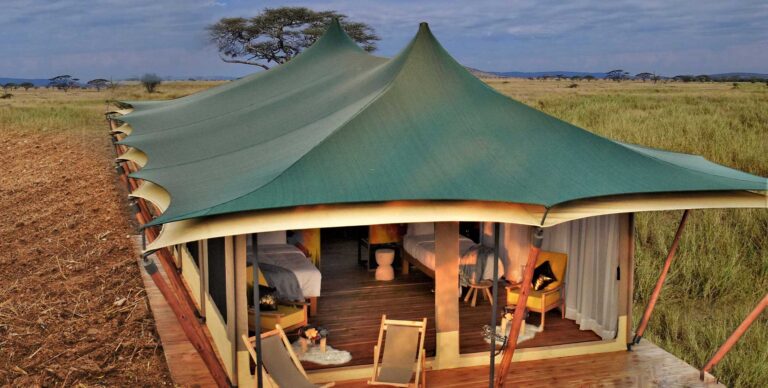
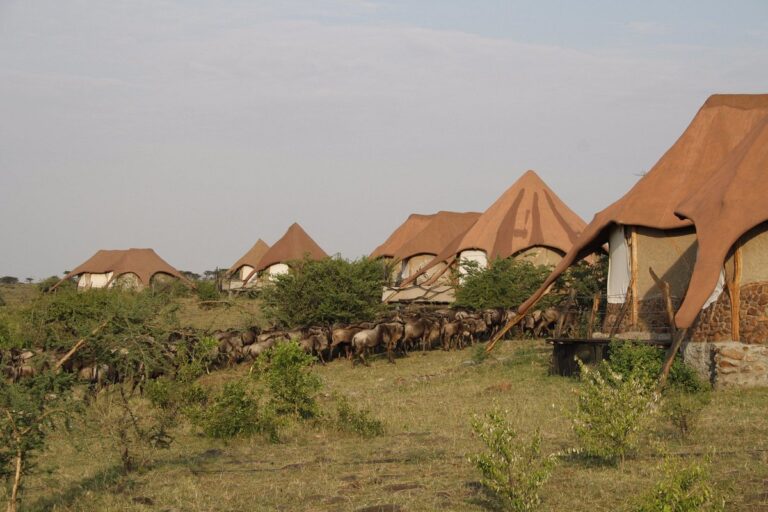
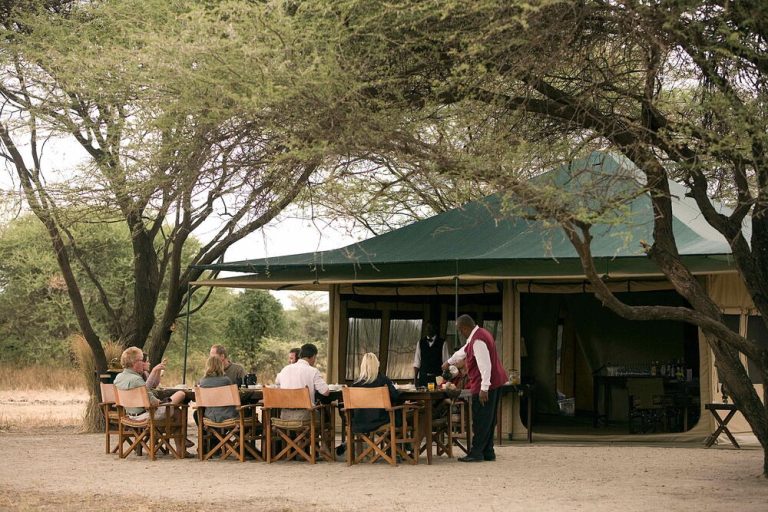
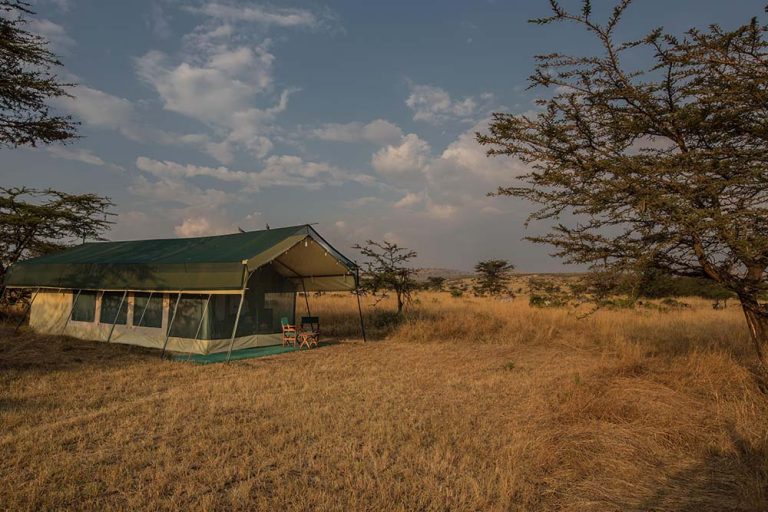
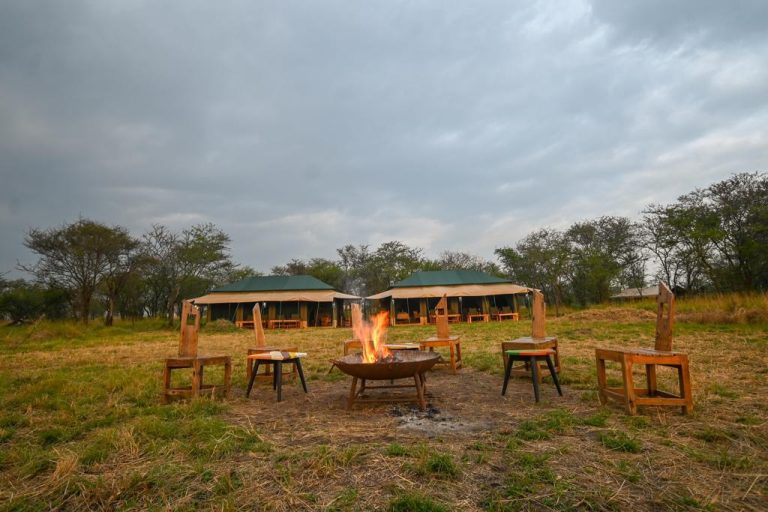
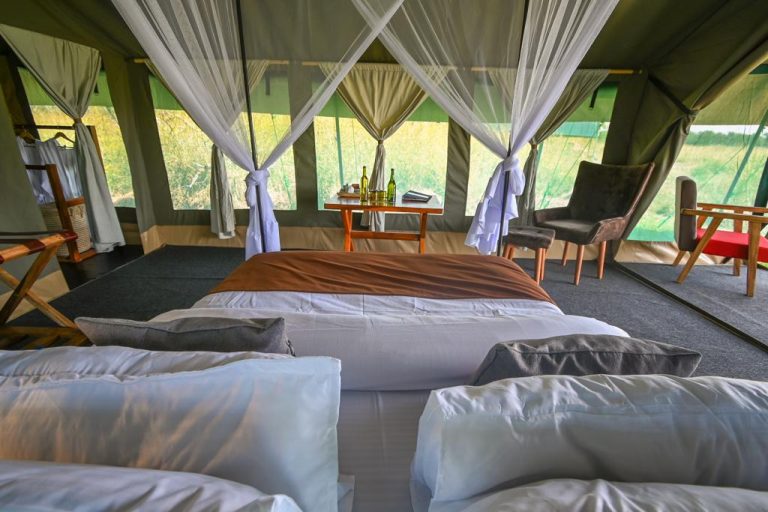
Explore a range of accommodation options designed to suit various preferences and budgets at this location. From comfortable lodges and tented camps to modern hotels, the area provides convenient access to nearby attractions and activities. Scroll through the carousel to find detailed listings of each property, including amenities and contact information, making it easy to plan your stay.
No results available
Explore Amboseli National Park with these recommended tours
No results available
Elephants and Kilimanjaro, and the combination of the two. The park holds one of the most studied elephant populations in the world, monitored continuously since 1972, including some of the largest surviving tuskers in Africa. Kilimanjaro rises directly to the south, and on a clear morning the sight of elephant herds crossing open plain beneath the snow-capped summit is among the most photographed images in African wildlife. Scheduled light aircraft reach the park from Wilson Airport in about forty-five minutes, which saves most of a driving day.
Early morning offers much the best chance, usually between six and nine, before cloud builds around the summit through the day. Late afternoon sometimes clears again. The dry seasons of June to October and January to February are far more reliable than the rains, and January and February in particular often have less haze, which matters considerably for photography. The mountain can stay hidden for days at a stretch. Amboseli is small enough that a single well-timed drive covers most of it, so quality of light matters more than distance covered.
By road it is roughly 240 kilometres from Nairobi, four to five hours via Emali on largely surfaced road with a rough final stretch. Scheduled light aircraft serve the park’s airstrips from Wilson Airport in about forty-five minutes, which is how many visitors arrive. Amboseli also combines easily by road with Tsavo West to the east, and with Arusha across the Tanzanian border at Namanga. Community conservancies bordering the park offer night drives and walking, neither of which is permitted inside the boundary.
Less so than the Maasai Mara. Lion and cheetah are present and seen regularly enough, but the park is small and open with limited cover, and predator densities are lower than in Kenya’s more famous reserves. Leopard are genuinely scarce. Amboseli’s strength is elephant, the mountain backdrop and exceptional birding rather than big-cat viewing, so set expectations accordingly. Scheduled light aircraft reach the park from Wilson Airport in about forty-five minutes, which saves most of a driving day.
Two nights suits most visitors and allows several drives at the best times of day, which matters here because the mountain and the light change so much between dawn and mid-morning. One night works if you are passing between Nairobi and Tsavo. Three nights is worth it for photographers, who benefit from repeated chances at a clear view of the summit. Amboseli is small enough that a single well-timed drive covers most of it, so quality of light matters more than distance covered.
Yes, at Observation Hill, a small volcanic rise near the centre of the park and the one designated point where walking is permitted. It gives a long view over the swamps and across the plains toward Kilimanjaro, and is worth timing for late afternoon. Elsewhere in the park, staying in the vehicle is required, and elephants around the swamps warrant particular caution. Community conservancies bordering the park offer night drives and walking, neither of which is permitted inside the boundary.
Significant by the end of the dry season. Amboseli’s pale volcanic soil lifts easily, and vehicles moving across the plains raise long plumes that hang in the air. Pack a scarf or buff, keep camera gear in sealed bags between drives, and expect to arrive dusty. The short rains in November settle it considerably, which is one of that month’s quieter advantages. Scheduled light aircraft reach the park from Wilson Airport in about forty-five minutes, which saves most of a driving day.
Easily, and many itineraries do. The Namanga border crossing is around two hours from the park and puts you within reach of Arusha and the northern circuit, so Amboseli often opens or closes a combined Kenya and Tanzania trip. Kilimanjaro itself lies across the border, and climbers sometimes visit Amboseli first for the view of the mountain they are about to climb. Amboseli is small enough that a single well-timed drive covers most of it, so quality of light matters more than distance covered.
Explore other optional accommodation to consider at