

Tanzania Parliament
CIVIC CENTRE
The seat of the national assembly since the capital moved in 1973.
Tanzania
2,669 sq km
30 'C
15mm
Dodoma has been Tanzania’s official capital since 1973, though the transfer of government from Dar es Salaam took decades and only completed in recent years.
It sits in the dry centre of the country at around 1,120 metres, a planned city of wide roads and low buildings surrounded by semi-arid plains, granite outcrops and, unexpectedly, the country’s main wine region.
Julius Nyerere chose the site for its central position, intending to balance development away from the coast and closer to the population centre. The move proved far slower and more expensive than planned, and Dar es Salaam remained the effective seat of government for most of the intervening period.
Few tourists come here, and that is part of its appeal: Dodoma is an unhurried, functional Tanzanian city with almost no tourist infrastructure, best visited as a stop on the long road between the coast and the west, or for the Kondoa rock art to the north.
The Gogo are the dominant people of the region, known across Tanzania for their distinctive polyphonic music, which uses overlapping vocal lines in a way quite unlike the music of the coast, and for cattle keeping in difficult, dry country.
Gogo music has had considerable influence on Tanzanian popular music, and performances at community events are worth seeking out. Instruments include the zeze, a stringed instrument played across the region.
The city’s civic centre is anchored by the Tanzania Parliament building, Nyerere Square and the Jamhuri Stadium, laid out on the wide plan drawn up when the capital was designated. The University of Dodoma has grown into one of the largest in the country and gives the city a substantial student population.
The Kondoa Irangi rock paintings, about 160 kilometres north, are a UNESCO World Heritage Site holding hundreds of painted rock shelters, some of the images among the oldest known rock art in Africa and depicting hunting scenes, animals and abstract forms.
By Road
Dodoma sits at the junction of routes between Dar es Salaam, Arusha, Iringa and Mwanza. Dar es Salaam is about 450 kilometres east, six to seven hours on good tarmac, and Arusha roughly 440 kilometres north.
By Air and Rail
Dodoma Airport has scheduled flights from Dar es Salaam. The central line railway also serves the city, running between Dar es Salaam and Kigoma or Mwanza.
Exploring the wildlife and attractions of this East African gem offers a once-in-a-lifetime experience filled with breathtaking landscapes, diverse ecosystems, and unforgettable encounters with nature.
No results available
Dodoma is hot and dry, with days between 27°C and 33°C and nights from 14°C to 20°C. The altitude keeps nights pleasantly cool despite the daytime heat, which makes the climate more comfortable than the temperature range suggests.
Rain falls in a single season from December to April, unlike the two-season pattern of northern and coastal Tanzania. Annual rainfall is low at around 550 millimetres, which is why the surrounding country is baobab scrub rather than farmland, and why the region suits viticulture.
May to November is dry and dusty, with October the hottest month before the rains break, when temperatures regularly exceed 33°C and the wind carries fine red dust through the city.
Heat and dehydration are the practical considerations here rather than rain. Carry water on any journey, keep to shade in the middle of the day, and expect long stretches of road with little shelter or services.
A scarf and eye protection are useful on any long road journey, as fine red dust carries on the wind across the plateau.
Dodoma is dry for most of the year, which makes the timing question straightforward compared with much of Tanzania.
May to October is dry, clear and the most comfortable period to travel, with warm days, cool nights and reliable road conditions in every direction. This is also the best window for the drive north to the Kondoa rock art, where the approach roads deteriorate quickly in rain.
June and July are the coolest months and the most pleasant for walking the city or spending time outdoors.
October is the hottest month, immediately before the rains break, when dust is at its worst. It is workable but uncomfortable.
December to April brings the single rainy season, when the surrounding scrub greens up briefly and the wine estates are at their most interesting around harvest.
For most visitors the decision is simply whether Dodoma fits an overland route rather than whether the season suits. It does so comfortably in the dry months, and the drive north to the Kondoa rock paintings is far more reliable then, as those approach roads deteriorate quickly once the rains arrive.
Dodoma is a quiet and comparatively safe city with little of the street crime found in Dar es Salaam. Normal urban precautions are sufficient: keep valuables out of sight and use taxis at night.
As the seat of government there is a visible security presence around parliament and ministries, and photographing government buildings is not advised. Long road journeys in and out of the city are the more realistic risk, with heavy truck traffic on the highways.
The seat of the national assembly since the capital moved in 1973.
Tanzania's main wine region, producing from local vineyards.
A UNESCO site holding some of the oldest rock paintings in Africa.
The civic heart of the planned capital, good for an evening walk.
A granite outcrop with views across the plateau and the city.
Distinctive polyphonic singing, performed at community events.
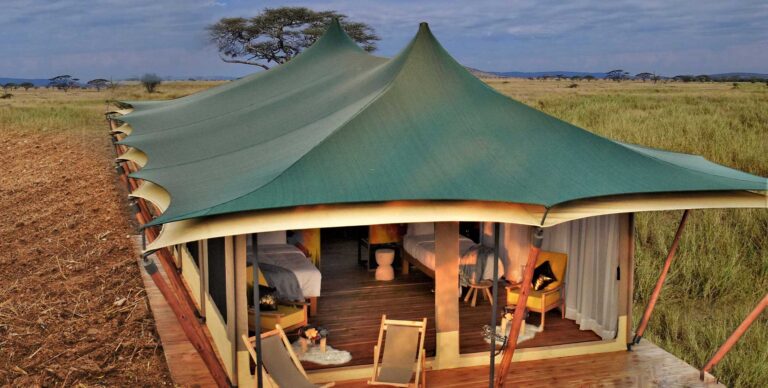
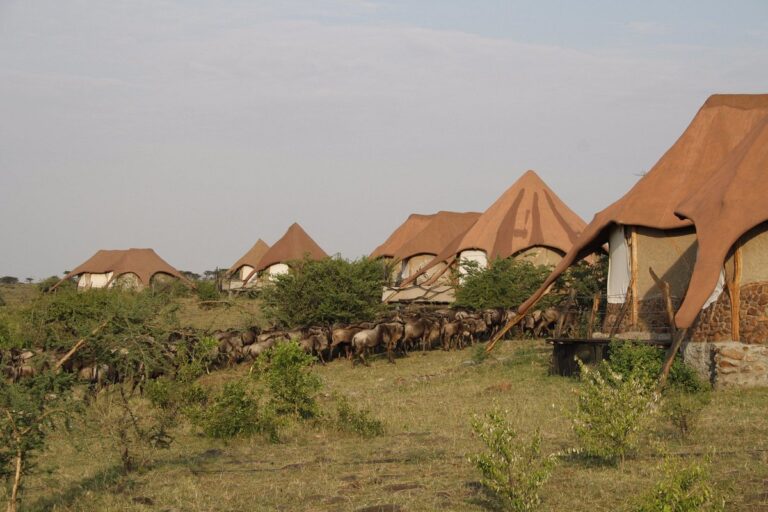
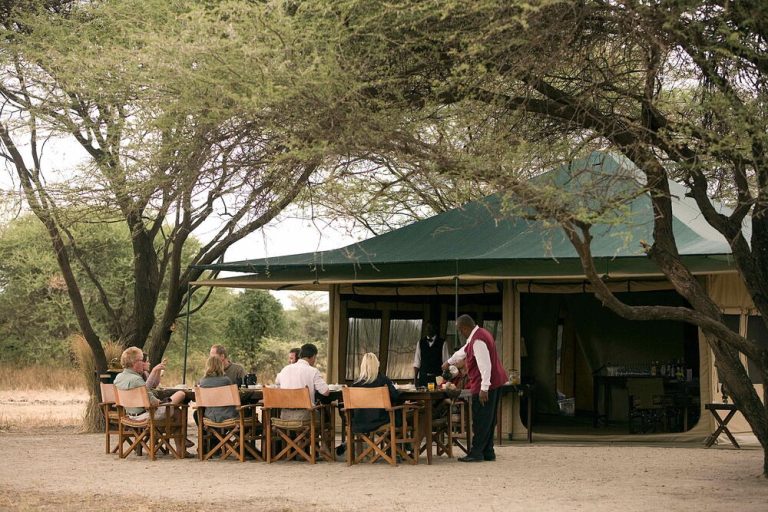
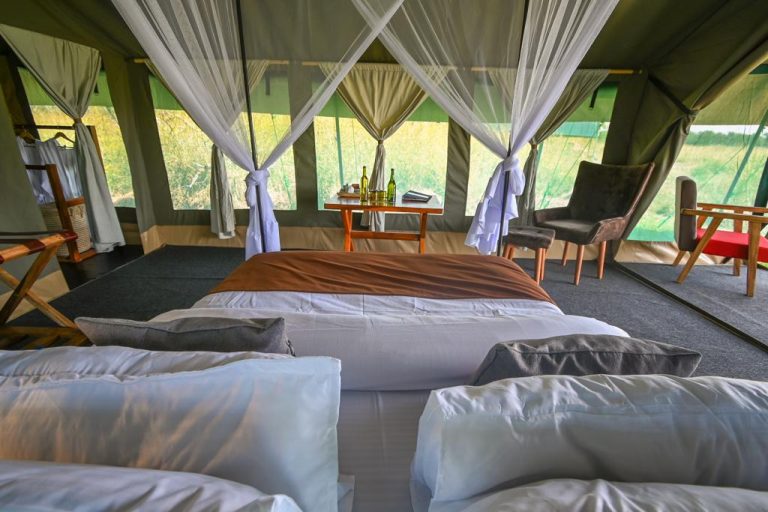
Explore a range of accommodation options designed to suit various preferences and budgets at this location. From comfortable lodges and tented camps to modern hotels, the area provides convenient access to nearby attractions and activities. Scroll through the carousel to find detailed listings of each property, including amenities and contact information, making it easy to plan your stay.
No results available
Explore Dodoma City with these recommended tours
No results available
Julius Nyerere designated Dodoma the capital in 1973, choosing a central location to balance development away from the coast and closer to the population centre of the country. The move proved far slower and more expensive than planned, and Dar es Salaam remained the effective seat of government for decades. The transfer of ministries and parliament has only completed in recent years, and many embassies still operate from Dar es Salaam.
It is not a conventional tourist destination and has almost no visitor infrastructure, which is precisely what some travellers like about it. The main draws are the wine estates on the outskirts, unusual in East Africa, and the Kondoa Irangi rock paintings about 160 kilometres north, a UNESCO site with some of the oldest rock art on the continent. Its position at the junction of the main routes makes it a convenient overnight break.
It does, and the region is the centre of the country’s small wine industry. The semi-arid climate and the altitude of around 1,120 metres suit viticulture better than most of Tanzania, and several estates on the city’s outskirts produce reds and whites from locally grown grapes. Tours and tastings are possible. Most production is red and sweet by international standards, though drier styles are increasingly made. Dodoma’s position at the junction of the main routes north, south and east makes it a convenient overnight break on a long drive.
They are a UNESCO World Heritage Site about 160 kilometres north of Dodoma, comprising hundreds of rock shelters on the eastern escarpment of the Maasai plateau painted over thousands of years. Some images are among the oldest known rock art in Africa. Access requires a guide and a reasonable vehicle, and the roads become difficult during the rains. Allow a full day and arrange a guide in advance through the antiquities office at Kolo.
Dodoma sits at the junction of routes between Dar es Salaam, Arusha, Iringa and Mwanza. Dar es Salaam is about 450 kilometres east, six to seven hours on good tarmac, and Arusha roughly 440 kilometres north. Dodoma Airport has scheduled flights from Dar es Salaam. The central line railway also serves the city, running between Dar es Salaam and Kigoma or Mwanza, though schedules are unreliable. Facilities are geared to government and university visitors rather than tourists, so expect functional rather than scenic accommodation.
The city has a reasonable range of business hotels serving government and university visitors rather than tourists, concentrated near the civic centre and along the main approach roads. Standards are functional rather than luxurious, and prices are considerably lower than in Arusha or Dar es Salaam. Booking ahead matters mainly when parliament is sitting, as rooms fill with officials and delegations at those times. Carry water on any journey in this region, as the roads run long distances with little shade or services.
Yes, and it is one of the quieter and safer Tanzanian cities, with little of the street crime found in Dar es Salaam. Normal urban precautions are sufficient. As the seat of government there is a visible security presence around parliament and ministries, and photographing government buildings is not advised. The greater practical risk is long-distance road travel, with heavy truck traffic on the highways in and out. Dodoma’s position at the junction of the main routes north, south and east makes it a convenient overnight break on a long drive.
Lion Rock on the city outskirts is a granite outcrop with long views across the plateau, and makes a good early evening walk. The wine estates are within easy reach for a half day. Beyond Kondoa to the north, the road onward toward Babati and Arusha passes through increasingly scenic country, and Dodoma works well as the midpoint of an overland route linking the coast with the northern circuit. Facilities are geared to government and university visitors rather than tourists, so expect functional rather than scenic accommodation.
Explore other optional accommodation to consider at