

Kigali Genocide Memorial
GISOZI
Where more than 250,000 victims are buried, with a museum.
Rwanda
730 sq km
27 'C
25mm
Kigali is Rwanda’s capital, spread across a series of steep ridges and valleys at around 1,570 metres, and is among the cleanest and best-organised cities in Africa.
It is the entry point for almost every visit to Rwanda, whether heading north-west to the mountain gorillas of Volcanoes National Park, west to Nyungwe Forest, or east to Akagera.
The city is inseparable from the 1994 genocide against the Tutsi, in which around a million people were killed in a hundred days. The Kigali Genocide Memorial, where more than 250,000 victims are buried, is the most important site in the country and is visited by most travellers.
Modern Kigali is safe, green and strikingly orderly, with a growing arts and food scene, good coffee and an energy that surprises visitors expecting only the weight of its history.
The Kigali Genocide Memorial documents the 1994 genocide against the Tutsi with considerable care, covering its causes, its execution and its aftermath, and is a difficult but necessary visit for anyone spending time in Rwanda.
Umuganda, a national community work morning held on the last Saturday of each month, sees most of the country turn out for cleaning and construction projects. Businesses close and traffic stops, which visitors should plan around.
Rwanda banned single-use plastic bags in 2008, and the cleanliness that results is among the first things arriving travellers notice. Bags are confiscated at the airport, so pack accordingly.
The city’s craft cooperatives, particularly those producing agaseke peace baskets and contemporary art, have grown substantially, and the Inema and Niyo galleries are worth time alongside the historical sites.
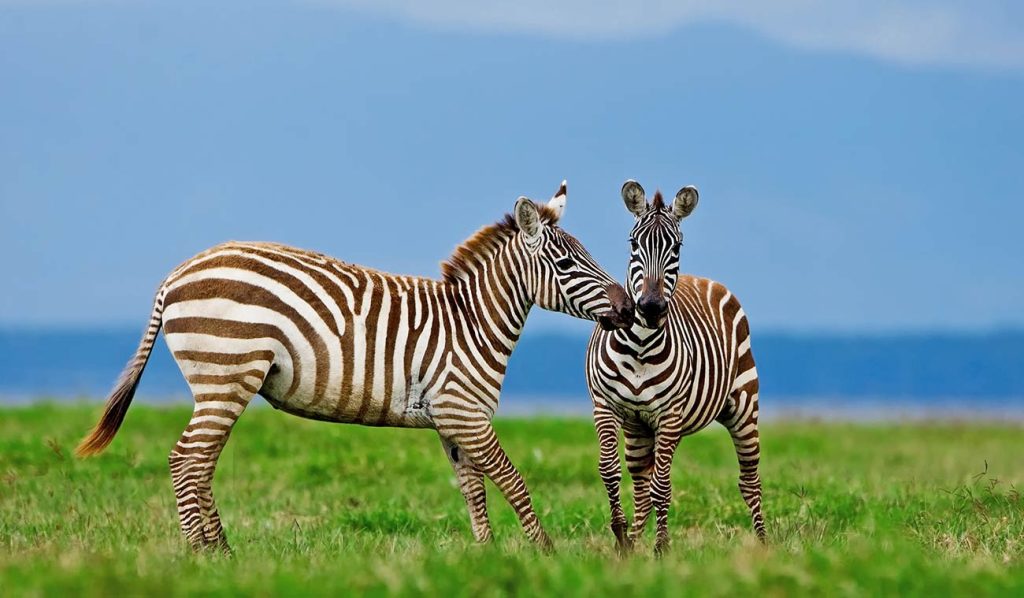
Exploring the wildlife and attractions of this East African gem offers a once-in-a-lifetime experience filled with breathtaking landscapes, diverse ecosystems, and unforgettable encounters with nature.
No results available
Kigali sits at around 1,570 metres across a series of ridges, which gives it a mild, temperate climate despite lying just south of the equator. Days run between 26°C and 28°C and nights fall to 15°C to 16°C, so evenings are pleasant year-round.
Rain falls in two seasons. The long rains run from March to May, peaking in April, and shorter rains fall from October into December. Annual rainfall is around 1,000 millimetres, and Kigali is noticeably greener than most African capitals as a result.
June to August is the long dry season and the driest, clearest period, and it coincides with the best conditions for gorilla trekking in the north-west, which is why it is the country’s peak travel season.
Rain generally arrives as heavy afternoon storms that clear within an hour or two. The city’s hills mean rain runs off quickly and flooding is rarer than in flatter African capitals.
The city’s hills mean rain runs off quickly and flooding is rarer than in flatter African capitals, so a wet afternoon rarely disrupts a plan for long.
Kigali is comfortable in every month, and the choice of timing is almost entirely governed by what you are travelling on to.
June to September is the long dry season and the main travel window, with clear conditions in the city and the firmest trails for gorilla trekking in Volcanoes National Park. Gorilla permits are hardest to obtain in these months, so book well ahead.
December to February is a shorter dry window, warm and generally settled, and is a good alternative with slightly easier permit availability.
March to May brings the long rains, when trekking becomes considerably muddier and harder work, though permits are easier to get and lodge rates fall.
October and November bring shorter rains. Whatever the month, check whether your visit includes the last Saturday, when Umuganda community work closes businesses and halts traffic for the morning.
Whatever the month, check whether your visit includes the last Saturday, when Umuganda community work closes businesses and halts traffic across the city for the morning, which catches out visitors who have not planned around it.
Where more than 250,000 victims are buried, with a museum.
The departure point for Rwanda's mountain gorilla treks.
Contemporary Rwandan art and studios open to visitors.
The city's largest market, strong on fabric and agaseke baskets.
A community-run walk through the city's oldest quarter.
Rwandan single-origin coffee and a fast-growing restaurant scene.
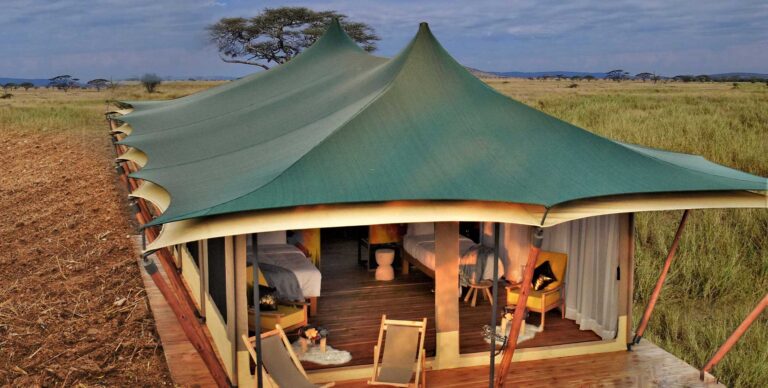
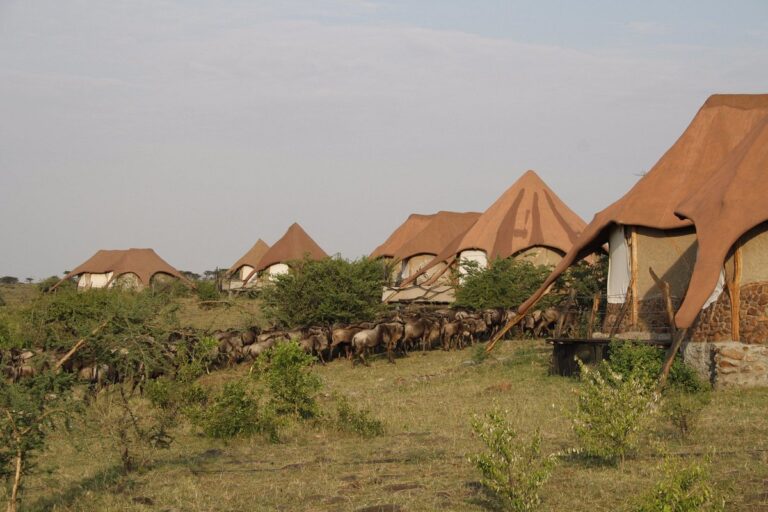
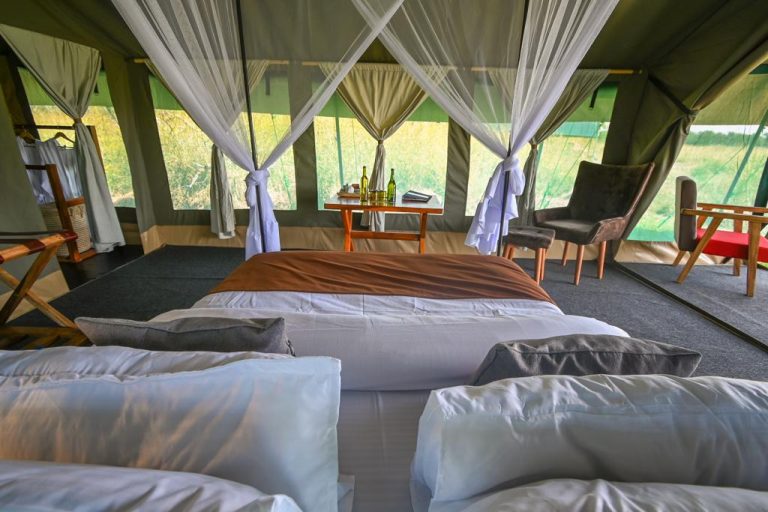
Explore a range of accommodation options designed to suit various preferences and budgets at this location. From comfortable lodges and tented camps to modern hotels, the area provides convenient access to nearby attractions and activities. Scroll through the carousel to find detailed listings of each property, including amenities and contact information, making it easy to plan your stay.
No results available
Explore Kigali with these recommended tours
No results available
As the entry point to Rwanda. The international airport is here, and almost every itinerary starts and ends in the city before heading north-west to the mountain gorillas of Volcanoes National Park, west to Nyungwe Forest, or east to Akagera. Kigali also holds the Genocide Memorial, which most travellers visit, and increasingly holds people for its own sake given the food and arts scene. Rwanda banned single-use plastic bags in 2008, and they are confiscated at the airport, so pack accordingly.
Most visitors do, and it is difficult but worthwhile. The memorial at Gisozi is where more than 250,000 victims of the 1994 genocide against the Tutsi are buried, and its museum documents the causes, the hundred days and the aftermath with considerable care. Allow at least two hours, go early rather than late in the day, and expect it to affect you. Umuganda community work on the last Saturday of each month closes businesses and halts traffic for the morning.
Volcanoes National Park is around 100 kilometres north-west, roughly two to three hours by road on good tarmac, and many visitors drive up the afternoon before an early morning trek. Some stay in Kigali and leave around four in the morning instead, which is possible but makes for a very long day given that briefings start at seven. Gorilla permits are limited and expensive, and should be booked several months ahead for the dry seasons.
It is among the safest capitals in Africa, and visitors routinely comment on how comfortable they feel walking at night. Petty crime is uncommon by regional standards. Normal precautions still apply, but the contrast with other cities in the region is genuine. Photography of government buildings and military sites is restricted, and it is worth asking before pointing a camera at anything official. Rwanda banned single-use plastic bags in 2008, and they are confiscated at the airport, so pack accordingly.
It is a national community work morning held on the last Saturday of every month, when most Rwandans take part in cleaning, building and maintenance projects in their neighbourhoods. Businesses close and traffic largely stops between around eight and eleven. Visitors should plan around it, as movement in the city is restricted. Some travellers arrange to join in, which is generally welcomed. Umuganda community work on the last Saturday of each month closes businesses and halts traffic for the morning.
Yes, since 2008, and the ban is enforced at the airport where single-use plastic bags are confiscated on arrival. It is one of the reasons Kigali is so noticeably clean. Pack items in fabric or paper rather than plastic, and expect a brief bag check on entry. The policy is taken seriously and is a point of national pride. Gorilla permits are limited and expensive, and should be booked several months ahead for the dry seasons.
One or two days is typical. A day covers the Genocide Memorial and either the Nyamirambo walking tour or the art galleries, with an evening for the restaurant scene. Two days allows a more relaxed pace and the Kimironko market. Most itineraries then head to Volcanoes, Nyungwe or Akagera, returning to Kigali for a final night before flying out. Rwanda banned single-use plastic bags in 2008, and they are confiscated at the airport, so pack accordingly.
June to September is the long dry season and the main travel window, with clear conditions in the city and the firmest trails for gorilla trekking. December to February is a shorter dry window and a good alternative with easier permit availability. March to May brings the long rains, when trekking is muddier but permits and lodges are considerably cheaper. Umuganda community work on the last Saturday of each month closes businesses and halts traffic for the morning.
Explore other optional accommodation to consider at