Uganda
1,978 sq km
29 'C
35mm
12 Year
Queen Elizabeth National Park is Uganda’s most visited reserve, covering 1,978 square kilometres of the Rift Valley floor between lakes Edward and George, with the Rwenzori Mountains rising to the north.
The Kazinga Channel linking the two lakes is its centrepiece. Elephant, buffalo and some of the highest concentrations of hippo anywhere in Africa gather along its banks, and the two-hour boat cruise is the most productive single activity in the park.
The Ishasha sector in the far south is famous for lions that rest in the branches of large fig trees through the heat of the afternoon, a behaviour shared with Lake Manyara in Tanzania and few other places. Chimpanzees live in the forested Kyambura Gorge cut into the savanna to the east.
With more than 600 recorded bird species, the park has the longest bird list in Uganda and one of the longest of any protected area in Africa. It lies about six hours from Kampala and combines naturally with Bwindi to the south, making it a fixture of almost every Ugandan itinerary.
The park sits between lakes Edward and George, and fishing villages such as Kasenyi and Katunguru operate inside its boundaries under long-standing agreements, an arrangement that keeps people and wildlife in constant and sometimes uneasy proximity.
The Bakonzo of the Rwenzori foothills to the north have a distinct mountain culture built around the ranges they consider sacred, while the Banyaruguru occupy the crater lakes area and the Basongora herd cattle on the plains. Each offers cultural walks arranged through community groups.
The Kikorongo Women’s Community and the Leopard Village project near Katunguru channel visitor fees into local schooling and into reducing human-wildlife conflict, which is a genuine issue here given how closely settlements and game ranges overlap.
The park was gazetted in 1952 as Kazinga National Park and renamed two years later after a visit by Queen Elizabeth II. Its wildlife populations were devastated during the Amin years and the instability that followed, and the recovery since the 1990s is one of the more encouraging conservation stories in East Africa.
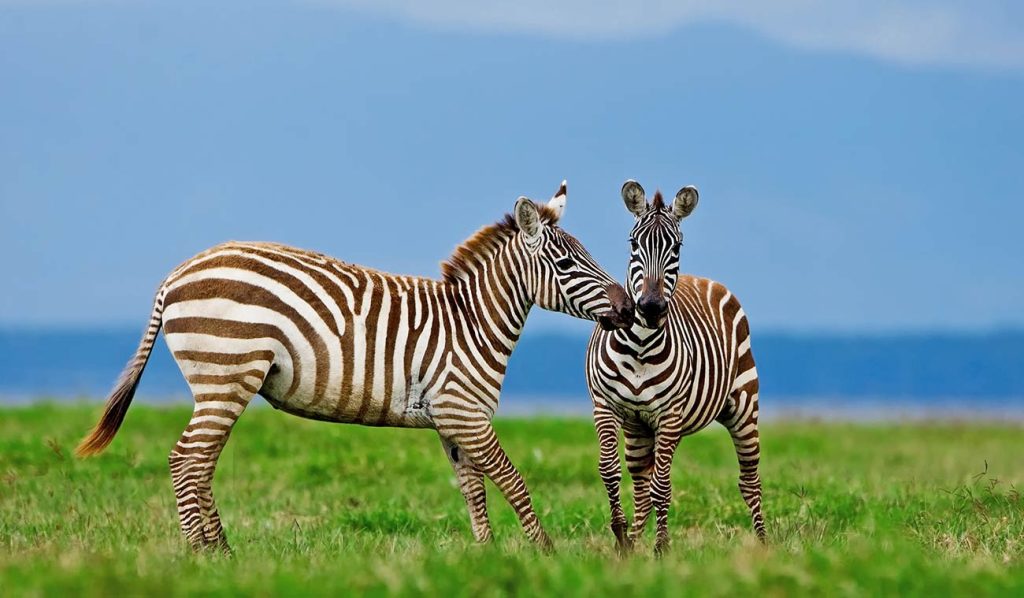
Queen Elizabeth is Uganda’s most visited park, and the Kazinga Channel linking lakes Edward and George is its centrepiece. Elephant, buffalo and hippo gather along its banks in numbers that make the boat trip the most productive two hours in the park.
The Ishasha sector in the south is famous for tree-climbing lions, which rest in fig trees through the heat of the day. Uganda kob, waterbuck, warthog and topi cover the grassland, chimpanzees live in the forested Kyambura Gorge, and leopard are present but seldom seen.
With more than 600 recorded species, Queen Elizabeth has the longest bird list of any Ugandan park and one of the longest of any protected area in Africa.
The Kazinga Channel produces African skimmer, pink-backed pelican, saddle-billed stork and vast numbers of waders. Papyrus gonolek and shoebill occur in the swampier margins, and the crater lakes hold flamingo in fluctuating numbers.
By Car
The park lies roughly 400 kilometres south-west of Kampala, a drive of six to seven hours on largely surfaced road via Mbarara. It combines naturally with Bwindi to the south and the Rwenzoris to the north.
By Air
Light aircraft serve Mweya and Kasese airstrips from Entebbe, taking about an hour and a half and removing a long day of driving from either end of a trip.
Exploring the wildlife and attractions of this East African gem offers a once-in-a-lifetime experience filled with breathtaking landscapes, diverse ecosystems, and unforgettable encounters with nature.
No results available
Sitting almost exactly on the equator at around 900 to 1,300 metres, Queen Elizabeth is warm and humid year-round with remarkably little seasonal variation in temperature. Daytime highs run between 29°C and 31°C and nights sit near 17°C, so light clothing works in every month.
Rainfall, rather than temperature, defines the seasons. There are two wet periods, March to May and September to November, and two drier spells, December to February and June to August. Annual rainfall is around 1,000 millimetres, spread evenly enough that the park never fully dries out.
Rain rarely stops a game drive outright, arriving as heavy afternoon storms that clear within an hour or two, but the murram tracks soften quickly and the Ishasha sector becomes difficult after sustained rain.
Because the park lies on the equator, day length barely varies, so game drive timings stay much the same whatever month you visit. Binoculars matter more here than in most parks given the bird list.
Light, quick-drying clothing works far better here than heavier safari gear given the humidity.
Queen Elizabeth works year-round, and the choice between seasons is finer here than in Tanzania’s strongly seasonal parks.
June to August and December to February are the drier windows and the best for general game viewing. Tracks stay firm, animals concentrate near permanent water, and the Kazinga Channel cruise is at its most productive as game comes down to drink.
March to May and September to November bring the rains. Birding is at its absolute peak as migrants arrive, the landscape is green against the Rwenzoris, and rates fall noticeably.
The trade-off in the wet months is the Ishasha sector, where tracks become difficult and tree-climbing lion sightings grow less predictable.
Whichever window you choose, take the Kazinga Channel cruise in the afternoon rather than the morning, when the light is better and more game comes down to the water.
Whichever window you choose, take the Kazinga Channel cruise in the afternoon rather than the morning. The light is better, and considerably more game comes down to the water to drink through the second half of the day.
Hippo are the principal hazard, particularly around Mweya and the fishing villages, where they come ashore at night to graze. Do not walk between accommodation and the water after dark.
Elephant and buffalo are frequently on the roads. Stay in the vehicle away from designated points, and take a guide for the Kyambura Gorge descent, which is steep and slippery. Petty theft is rare but keep valuables secured in the busier lodges.
Elephant, buffalo and hippo crowd the banks in extraordinary numbers.
Lions resting in fig trees through the heat of the afternoon.
Trek habituated chimpanzees in a forested gorge below the plains.
Uganda kob leks and the lions that hunt them at first light.
A high road through volcanic craters with views to the Rwenzoris.
Over 600 species, the longest list of any Ugandan park.
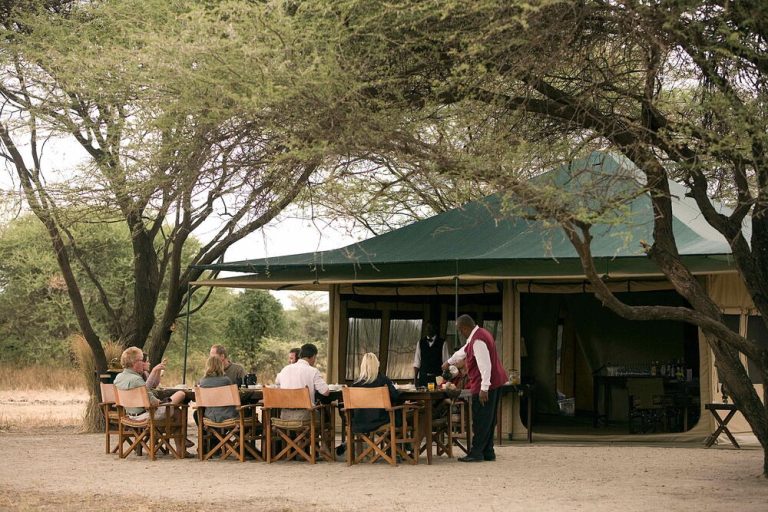
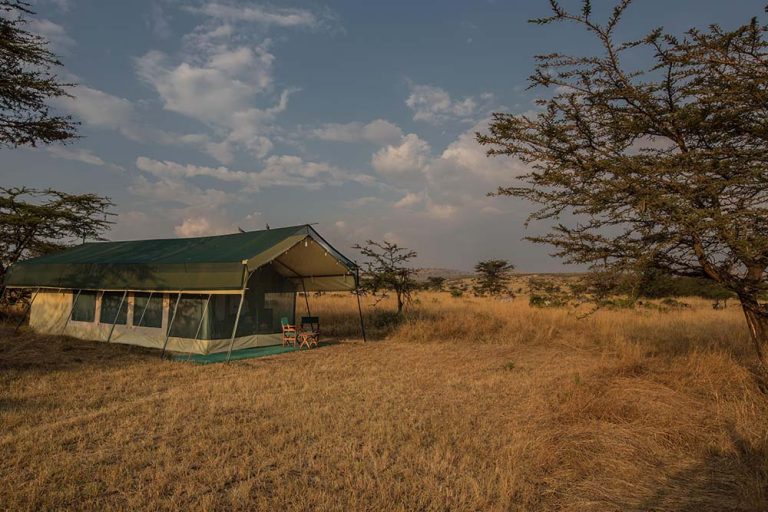
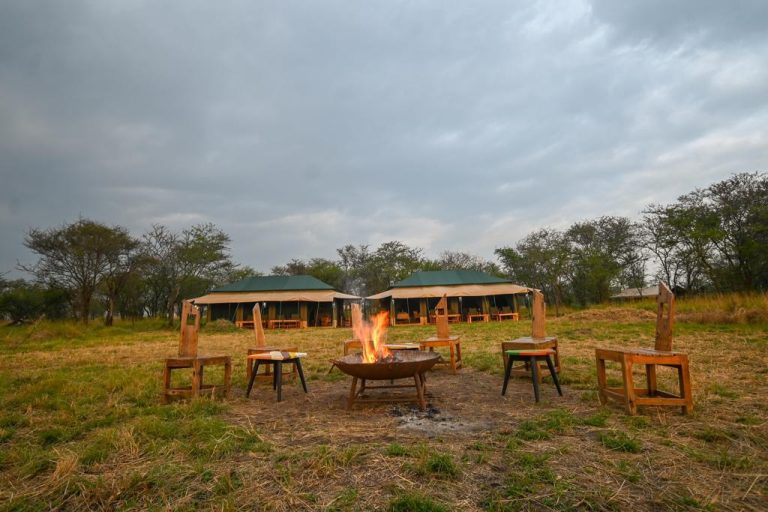
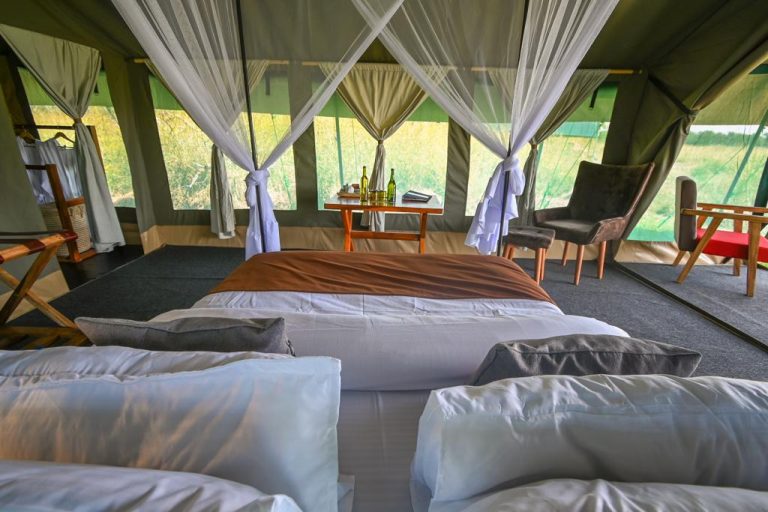
Explore a range of accommodation options designed to suit various preferences and budgets at this location. From comfortable lodges and tented camps to modern hotels, the area provides convenient access to nearby attractions and activities. Scroll through the carousel to find detailed listings of each property, including amenities and contact information, making it easy to plan your stay.
No results available
Explore Queen Elizabeth National Park with these recommended tours
No results available
In the Ishasha sector in the far south of the park, roughly two hours from Mweya. The lions there habitually rest in the branches of large fig trees through the heat of the afternoon, a behaviour shared with Lake Manyara in Tanzania and very few other places. Sightings are not guaranteed on any given day, so most itineraries allow an overnight stay in Ishasha rather than attempting it as a rushed detour on the way south to Bwindi.
It is the single best activity in the park and worth planning your day around. The channel links lakes Edward and George, and the two-hour cruise brings you close to elephant, buffalo and some of the highest hippo concentrations in Africa, along with exceptional birding. Afternoon departures generally offer better light and more animals coming down to drink than morning sailings. Smaller private boats get closer to the bank than the large shared launches, which matters considerably for photography.
Yes, in the Kyambura Gorge, a forested chasm cut into the savanna in the east of the park. The chimpanzee group there is habituated but small and ranges widely, so success rates are lower than at Kibale Forest to the north or Bwindi to the south. The descent into the gorge is steep and can be slippery. Permits are limited and should be booked in advance, and anyone with a cold or infectious illness should not trek.
The drier windows of June to August and December to February are best for general game viewing, with firm tracks and animals concentrated near permanent water. The wet seasons of March to May and September to November bring peak birding as migrants arrive, green landscapes and lower rates, but the Ishasha tracks can become difficult and tree-climbing lion sightings less predictable. The park sits on the equator, so day length and drive timings barely change through the year.
Two to three nights suits most visitors. Two allows a Kazinga Channel cruise, a Kasenyi plains game drive and the crater lake circuit. A third night, ideally spent in Ishasha rather than at Mweya, gives you a realistic chance at the tree-climbing lions without a rushed drive. Many itineraries then continue south to Bwindi, which is roughly four to five hours from Ishasha on reasonable road. Many itineraries then continue south to Bwindi, which is roughly four to five hours from Ishasha on reasonable road.
The park packs an unusual range of habitats into a small area: two lakes, a connecting channel, papyrus swamp, open savanna, crater lakes, montane forest at Maramagambo and the Rwenzori foothills. That variety, combined with a position on the equator that suits both northern and southern migrants, produces a list of over 600 species. The Kazinga Channel alone yields African skimmer, pink-backed pelican and saddle-billed stork on most cruises. The Kazinga Channel alone yields African skimmer, pink-backed pelican and saddle-billed stork on most cruises.
Yes, but hippo are the genuine hazard and warrant real caution. They come ashore at night to graze around Mweya and the villages, and they cause more human deaths in Africa than any predator. Do not walk between accommodation and the water after dark, and follow lodge advice about routes. Elephant and buffalo also move through the area freely, so use the escorts that lodges provide in the evening. Elephant and buffalo also move through the area freely, so use the escorts that lodges provide in the evening.
The park lies roughly 400 kilometres south-west of Kampala, a drive of six to seven hours on largely surfaced road via Mbarara, and most visitors arrive this way as part of a longer circuit. Light aircraft serve Mweya and Kasese airstrips from Entebbe in about an hour and a half, which removes a long day of driving at each end. The park combines naturally with Bwindi to the south and the Rwenzoris to the north.
Explore other optional accommodation to consider at