

Elephant Herds
TARANGIRE RIVER
Several hundred elephant gathering at the only permanent dry-season water.
Tanzania
All year round
2,850 sq km
30 'C
20mm
12 Year
Tarangire National Park covers 2,850 square kilometres of baobab-studded country south-east of Lake Manyara, and it is the northern circuit’s most underrated destination.
The Tarangire River runs through the length of it, and in the dry season it is the only permanent water for a very long way. As the surrounding Maasai Steppe dries out, animals converge on the river in numbers that rival anything in the Serengeti, with elephant herds several hundred strong.
The park is defined visually by its baobabs, some of them well over a thousand years old, standing over open woodland and seasonal swamp. It is also one of the best places in Tanzania for dry-country species: fringe-eared oryx, lesser kudu and gerenuk all occur here and almost nowhere else on the circuit.
Around 550 bird species have been recorded, one of the highest counts of any Tanzanian park. Most visitors give Tarangire a single day on the way to Ngorongoro, which is a mistake: two nights allow you to reach the southern swamps where the crowds do not go.
Tarangire sits within the wider Maasai Steppe, and Maasai communities graze cattle right up to the park boundary, moving seasonally between grazing and water in patterns established long before the park was gazetted in 1970.
The Barabaig, a Datooga-speaking pastoralist people, also herd in this region and are known for distinctive brass ornamentation and for a strong tradition of blacksmithing. Their relationship with the land is similar to the Maasai but their language and customs are quite separate.
Cultural visits operate from villages along the eastern and northern boundaries, taking in cattle enclosures, beadwork and traditional dance. Several are run as community enterprises, and the fees fund local schooling and water projects directly.
The relationship between the park and the surrounding communities has not been without friction, particularly over grazing access and elephant crop-raiding during the wet season when the herds disperse well beyond the boundary. Understanding that tension gives useful context to any village visit.
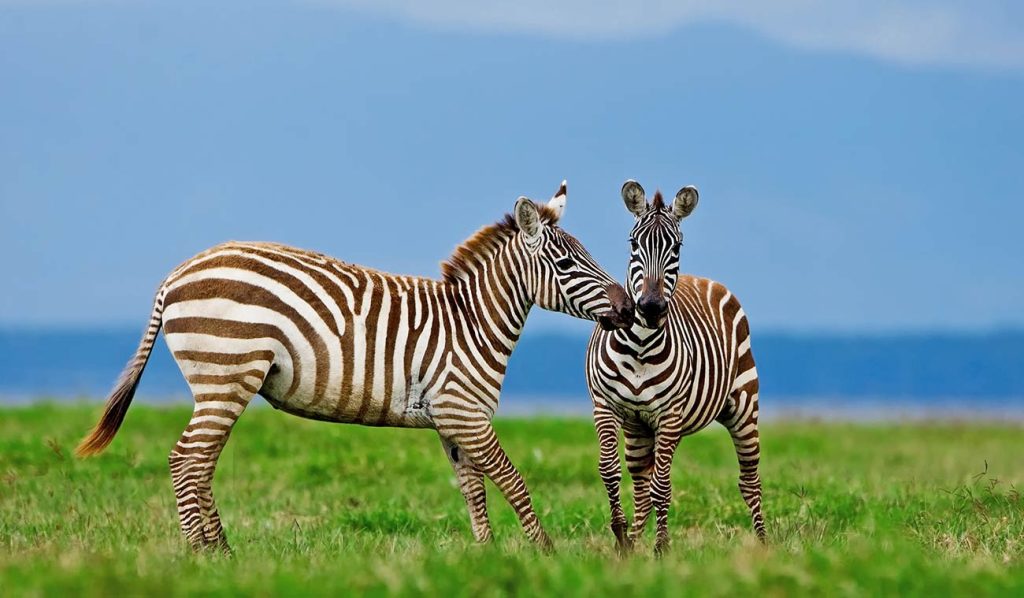
Exploring the wildlife and attractions of this East African gem offers a once-in-a-lifetime experience filled with breathtaking landscapes, diverse ecosystems, and unforgettable encounters with nature.
No results available
Tarangire sits between roughly 1,000 and 1,500 metres on the Maasai Steppe, and its climate is warmer and considerably drier than the highlands to the west. Days run between 25°C and 30°C, and nights fall to 13°C to 17°C.
Rain falls in two seasons. The long rains run from March to May, with April the wettest at around 220 millimetres, and short rains arrive through November and December. Annual rainfall is roughly 650 millimetres, low enough that the surrounding steppe dries out completely for months.
That aridity is the whole story of Tarangire’s wildlife. From June onward the Tarangire River becomes the only permanent water across an enormous area, and elephant, buffalo, zebra and wildebeest converge on it from as far away as Lake Manyara.
The wet season disperses everything. Animals move onto the flush of new grass beyond the boundary, and the park can feel surprisingly empty in April. Pack neutral colours and insect repellent; tsetse fly are present in the woodland belts.
Tarangire is more strongly seasonal than any other park on the northern circuit, and the difference between the dry and wet halves of the year is dramatic.
June to October is outstanding and the reason to come. The surrounding steppe dries out, the river becomes the only permanent water for a great distance, and elephant gather in herds of several hundred with predators following.
September and October are the peak of that concentration, hot but exceptional, with many visitors already moved on to the Serengeti.
November to March brings the rains and disperses the herds beyond the boundary. The baobabs look their best against storm skies, and this is much the strongest period for birds, with over 550 species recorded.
April and May are wettest, when some tracks become difficult and the park is at its quietest.
If your priority is elephant and general game, come mid-year. If it is birds, photography and solitude, the green season has a genuine case, and you will share the park with almost nobody. Either way, an overnight beats a passing day trip.
Several hundred elephant gathering at the only permanent dry-season water.
Thousand-year-old baobabs standing over open woodland and swamp.
Seasonal wetland drawing buffalo and predators, well away from the crowds.
Fringe-eared oryx, lesser kudu and gerenuk, rare elsewhere on the circuit.
Around 550 recorded species, one of Tanzania's highest counts.
Permitted on the concessions bordering the park, not inside it.
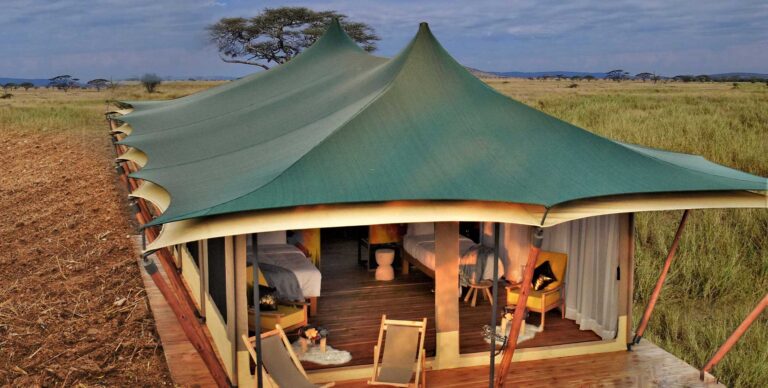
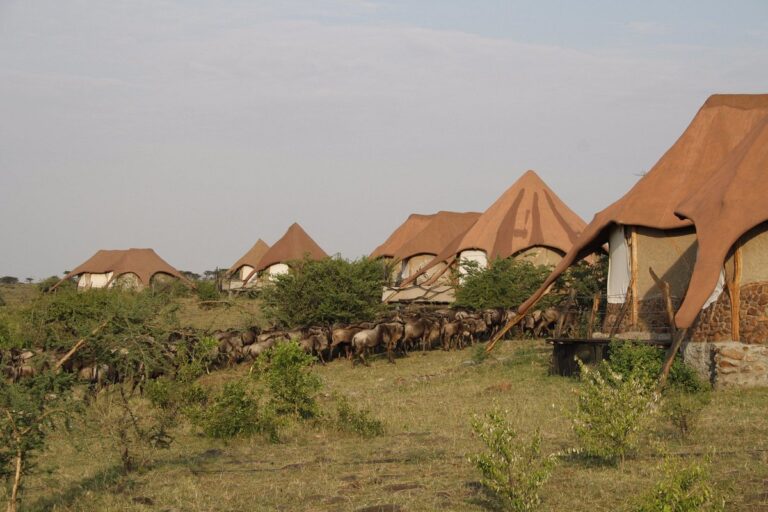
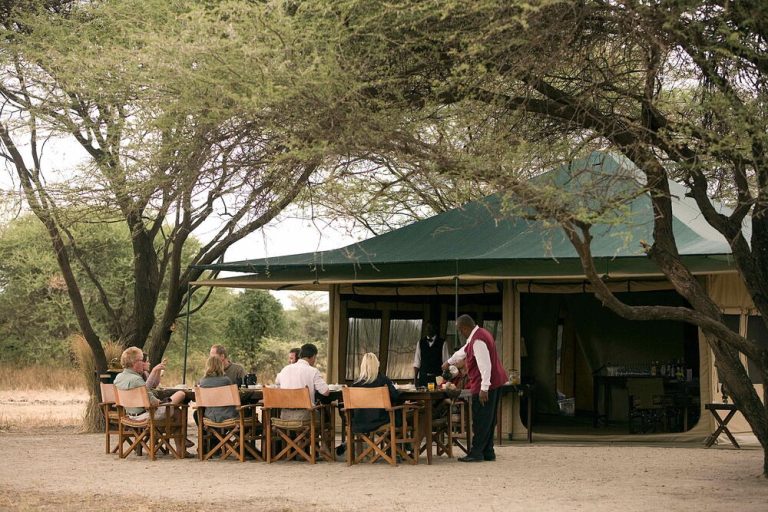
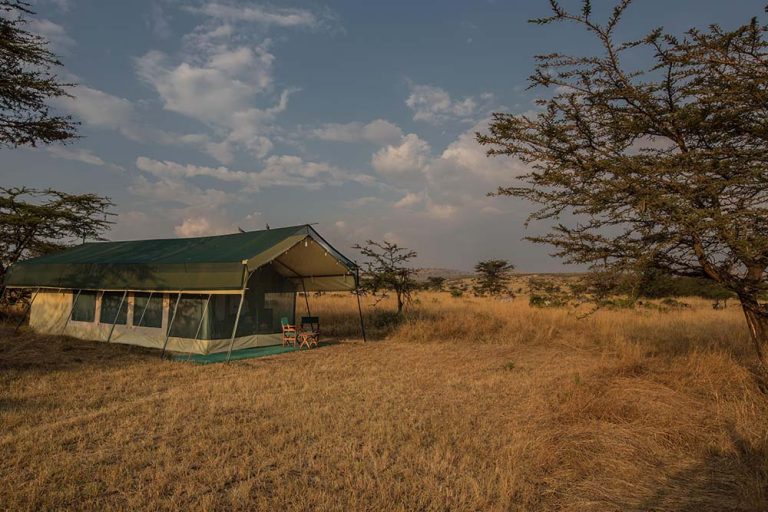
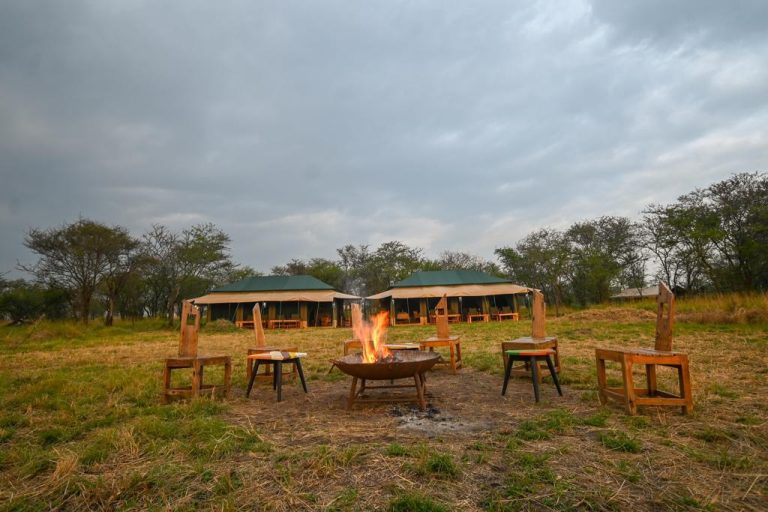
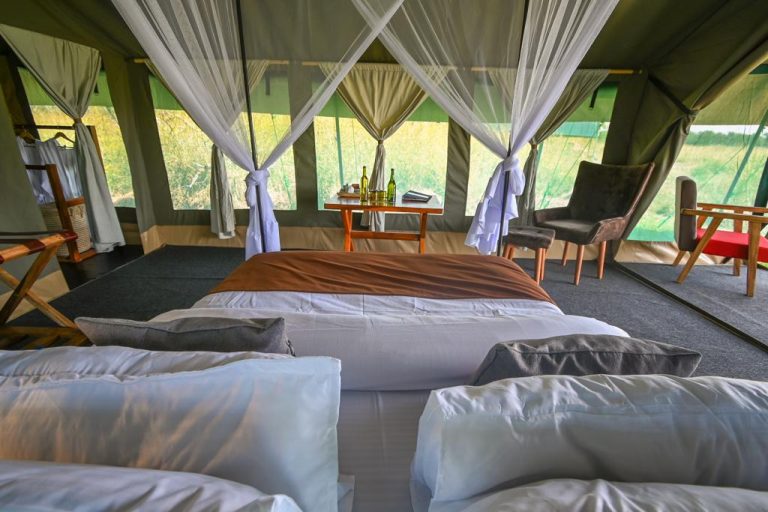
Explore a range of accommodation options designed to suit various preferences and budgets at this location. From comfortable lodges and tented camps to modern hotels, the area provides convenient access to nearby attractions and activities. Scroll through the carousel to find detailed listings of each property, including amenities and contact information, making it easy to plan your stay.
No results available
Explore Tarangire National Park with these recommended tours
No results available
Elephant above all. During the dry season the Tarangire River is the only permanent water across an enormous area of the Maasai Steppe, and herds of several hundred converge on it, which is a concentration few places in Africa can match. The park is also defined by its baobabs, many over a thousand years old, and it holds dry-country species such as fringe-eared oryx and gerenuk that occur almost nowhere else on the northern circuit.
June to October without much argument, and September and October in particular. As the surrounding steppe dries out, animals converge on the Tarangire River in numbers that rival the Serengeti, and the predator activity follows them. From November to May the rains disperse the herds well beyond the park boundary, and while the landscape is greener and the birding far stronger, general game viewing drops off noticeably. Many operators run Tarangire only as a day stop en route, so an overnight here puts you in the park at dawn when the crowds are still on the road.
Most itineraries allow a single day on the drive between Arusha and Ngorongoro, which is enough to see the northern circuits but misses much of the park. Two nights lets you reach the Silale swamp and the southern sectors, where visitor numbers fall away sharply and the game viewing is often better. If elephant are a priority, the extra night is well worth building into the schedule. If elephant are a priority, the extra night is well worth building into the schedule rather than treating the park as a stopover.
It is one of the strongest birding parks in Tanzania, with around 550 recorded species, among the highest counts in the country. The mix of river, seasonal swamp, acacia woodland and open steppe supports an unusual range, and the wet season from November to April brings migrants in force. Yellow-collared lovebird and ashy starling are both near-endemic to this part of Tanzania and are seen regularly. Yellow-collared lovebird and ashy starling are both near-endemic to this part of Tanzania and are seen regularly along the river.
The park lies about 120 kilometres south-west of Arusha, roughly two hours by road on good tarmac, and sits directly on the route toward Lake Manyara, Ngorongoro and the Serengeti. That position is why it appears on almost every northern circuit itinerary. Light aircraft also serve the Kuro airstrip inside the park, with connections from Arusha, the Serengeti and Zanzibar for those on shorter trips. Light aircraft also serve the Kuro airstrip inside the park, with connections from Arusha, the Serengeti and Zanzibar for those on shorter trips.
Not inside the national park itself, where walking is prohibited, but the private concessions bordering the park offer both walking safaris and night game drives. Several camps sit on those concessions specifically to provide activities the park does not permit. If either matters to you, choose your accommodation on that basis, because it cannot be arranged after arrival. Several camps sit on those concessions specifically to provide activities the park does not permit, so if walking or night drives matter to you, choose your accommodation on that basis before arrival rather than hoping to arrange it later.
It is a large seasonal wetland in the southern part of the park, several hours from the main gate, which holds water long after the surrounding country has dried. Buffalo gather there in very large herds, and lion follow them, so the game viewing can be exceptional. Because of the distance from the entrance, few day visitors reach it, which is precisely why an overnight stay in the south is worthwhile.
Extremely well, and it is usually the first stop on a northern circuit. Lake Manyara is about an hour away, Ngorongoro two to three hours further, and the Serengeti beyond that, so the four form a natural sequence. Many operators run Tarangire as a day en route, though giving it a night of its own significantly improves what you see, particularly in the dry season. Giving it a night of its own rather than a passing morning significantly improves what you see, particularly between June and October.
Explore other optional accommodation to consider at