Tanzania
648 sq km
28 'C
25mm
12 Year
Lake Manyara National Park occupies a narrow strip between the wall of the Great Rift Valley and the shallow alkaline lake that gives it its name, packing an unusual range of habitats into just 648 square kilometres.
Roughly two thirds of that area is water when the lake is full, leaving a band of land rarely more than a few kilometres wide between the escarpment and the shore. Into that band the park compresses groundwater forest, acacia woodland, open floodplain, hot springs and marsh, which is why the game viewing changes so completely over the course of a single short drive.
The park is best known for three things: the lions that rest in the branches of acacias through the heat of the day, the flamingos that gather in their thousands in the lake shallows, and the dense groundwater forest at the entrance gate, fed by springs running off the escarpment. It also holds one of the largest olive baboon populations anywhere in Africa.
Its position about two hours from Arusha, directly on the road toward Ngorongoro and the Serengeti, means most northern circuit itineraries open or close here. A single well-planned day covers the main circuits comfortably, which is why the park is so often paired with a longer stay elsewhere.
The village of Mto wa Mbu at the park gate is one of the most unusual settlements in Tanzania. Over 120 ethnic groups live side by side there, drawn from every corner of the country by irrigated farmland fed with water running off the escarpment, and it is said to be the only place where all of Tanzania’s major language families are spoken within a single village.
The Maasai graze cattle on the plains beyond the park boundary, moving seasonally between grazing and water in a pattern that long predates the park itself. The Iraqw, a Cushitic-speaking people quite distinct from their Bantu and Nilotic neighbours, farm the higher ground of the escarpment above, terracing the slopes and keeping cattle in enclosed homesteads.
Cultural tours through Mto wa Mbu take in irrigated rice paddies and banana groves, local banana beer known as mbege, woodcarving workshops run by Makonde artisans from the far south of the country, and the craft market. The programme is among the oldest in Tanzania and is genuinely well organised.
Fees paid through the official cultural tourism office support the community directly, funding local schools and clinics, which is a meaningful difference from arrangements negotiated at the roadside. Half-day and full-day options are available, and the longer version reaches the irrigation furrows and smallholdings well away from the main road.
Lake Manyara packs a remarkable density of wildlife into a narrow strip between the Rift Valley escarpment and the lake itself. Its best-known residents are the tree-climbing lions, which rest along the branches of acacias in the heat of the day — behaviour recorded in only a handful of places in Africa.
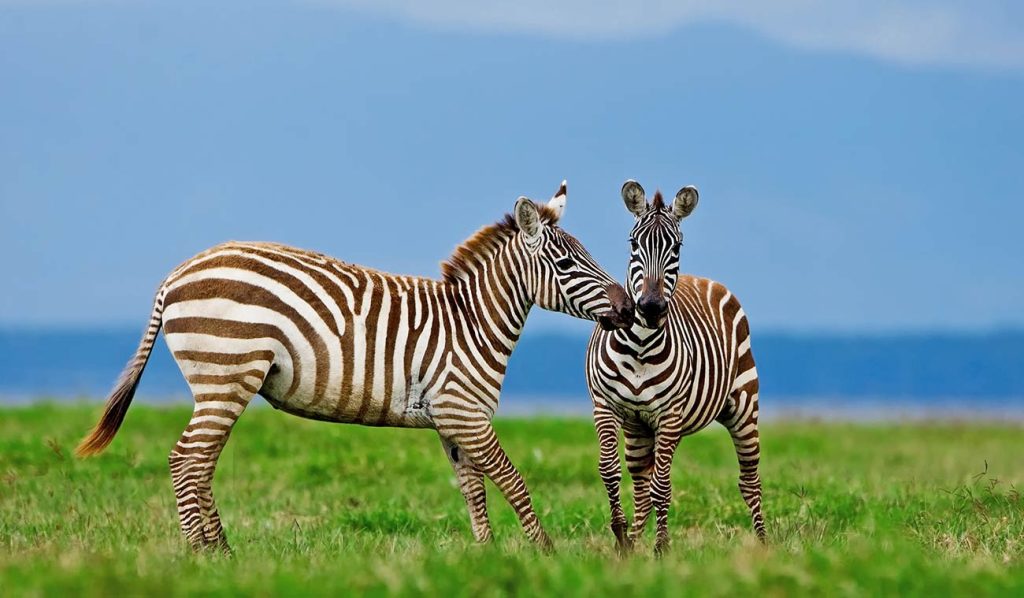
Elephant herds move through the groundwater forest, and the park is known for large old bulls. Buffalo, giraffe, zebra, impala and warthog are all common on the floodplain, hippo crowd the pools in the north, and blue monkeys and vervets work the forest canopy. The olive baboon troops here are among the largest anywhere on the continent.
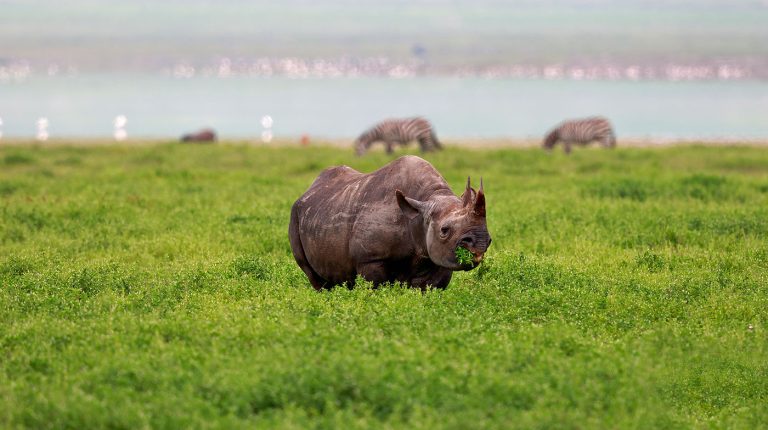
Leopard are present but seldom seen, and there are no rhino in the park.
More than 400 bird species have been recorded at Lake Manyara, and the park is often the first stop for birders arriving on the northern circuit. The alkaline lake draws great flocks of lesser flamingo, along with great white pelican, yellow-billed stork, spoonbill, heron and egret.
The groundwater forest at the entrance holds silvery-cheeked hornbill, crowned eagle and turaco, while African fish eagle call from the trees along the shore. Numbers peak from November to April when migrants arrive and the lake is at its fullest.
By Air
Fly into Kilimanjaro International Airport (JRO) or Arusha Airport, then take a light aircraft to the Lake Manyara airstrip. Scheduled flights also connect the airstrip with the Serengeti and Zanzibar.
By Car
Lake Manyara lies about 126 kilometres west of Arusha, a drive of roughly two hours on sealed road to the park gate at Mto wa Mbu. The route continues on to the Ngorongoro Conservation Area and the Serengeti, which is why the park so often opens a northern circuit itinerary. A 4×4 is recommended inside the park, particularly during the rains.
Exploring the wildlife and attractions of this East African gem offers a once-in-a-lifetime experience filled with breathtaking landscapes, diverse ecosystems, and unforgettable encounters with nature.
No results available
Lake Manyara has a warm tropical climate moderated by its position at around 960 metres on the floor of the Rift Valley, with the escarpment rising some 600 metres above it. Days average 25°C to 30°C and nights fall to between 14°C and 18°C.
Rain falls in two seasons. The long rains run March to May, with April the wettest at around 180 millimetres, and the short rains fall through November and December. Annual precipitation averages roughly 650 millimetres on the valley floor, though the escarpment catches noticeably more, feeding the springs that supply the groundwater forest year-round.
The dry season from June to October brings clear skies and firm tracks throughout. Reduced vegetation makes the tree-climbing lions considerably easier to pick out of a bare acacia than a leafy one.
The lake’s extent varies sharply with the rains, and this matters more than temperature. In a wet year the flamingo flocks are substantial; in a dry year the lake retreats far from its wet-season shoreline and the birds move on to Natron or Eyasi.
Lake Manyara rewards a visit in any month, but the two halves of the year offer genuinely different parks.
June to October is the dry season and the strongest window for general game viewing. Animals concentrate near the lake and the permanent springs, tracks are firm, and thinner foliage makes the tree-climbing lions far easier to spot. This is also the busiest period across the whole northern circuit.
November to June is the green season. The lake refills, the flamingos return, migratory birds push the count past 400 species, and there are far fewer vehicles on the circuit.
April and May are the heaviest months of the long rains, with the greenest landscapes and lowest rates but difficult tracks and some lodge closures.
Because the park sits two hours from Arusha and can be covered in half a day, it works as a flexible opener or closer to a northern circuit trip in any season.
Most itineraries visit on the drive out toward Ngorongoro rather than making a dedicated trip, which works well in any month.
As in any Tanzanian park, wildlife presents the main risk. Elephant and buffalo are unpredictable at close range, and the hippo at the northern pools are dangerous if approached on foot. Stay in the vehicle except at designated viewpoints, and travel with a licensed guide who can read animal behaviour.
Baboons around picnic sites are bold and well practised at taking food. Keep vehicle windows closed when parked, do not feed them, and never hold food in the open. Tsetse fly are present in some of the wooded sections — long sleeves in neutral colours help.
Park roads are unsealed and become slippery during the rains, when a 4×4 is essential. Crime inside the park is very rare, and lodges are secure, but apply the usual precautions in Mto wa Mbu and on the road to Arusha: keep valuables out of sight and avoid travelling after dark.
Lions draped along acacia branches, a habit seen in only a handful of parks.
Elephant, buffalo and giraffe on the narrow strip between escarpment and lake.
Thousands of lesser flamingo tint the shallows pink when water levels are right.
A suspended walkway carries you through the forest canopy at bird height.
Pods of hippo and crowded waterbirds at a designated viewing point.
One of few Tanzanian parks permitting after-dark drives for genet and civet.
Over 400 species, from pelicans on the lake to hornbills in the forest.
Paddle the shallows when water levels allow, level with the birdlife.
Steaming sulphur springs at the foot of the Rift Valley wall.
One of Africa's largest olive baboon populations, hundreds strong.
Over 120 ethnic groups, banana beer, rice paddies and craft markets.
The wall of the Rift rises six hundred metres above lake and forest.
Ride farmland and escarpment tracks along the park's edge.
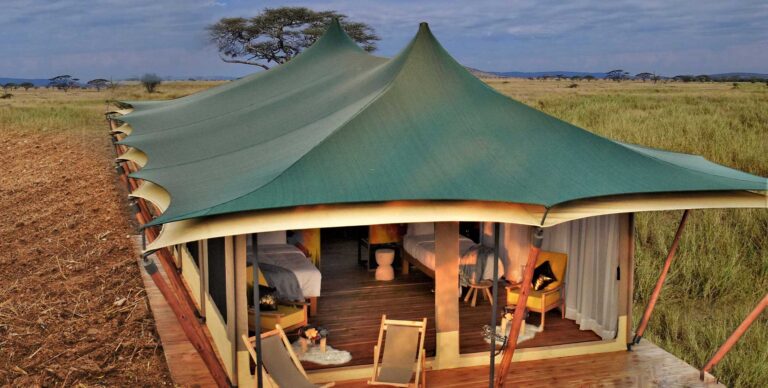
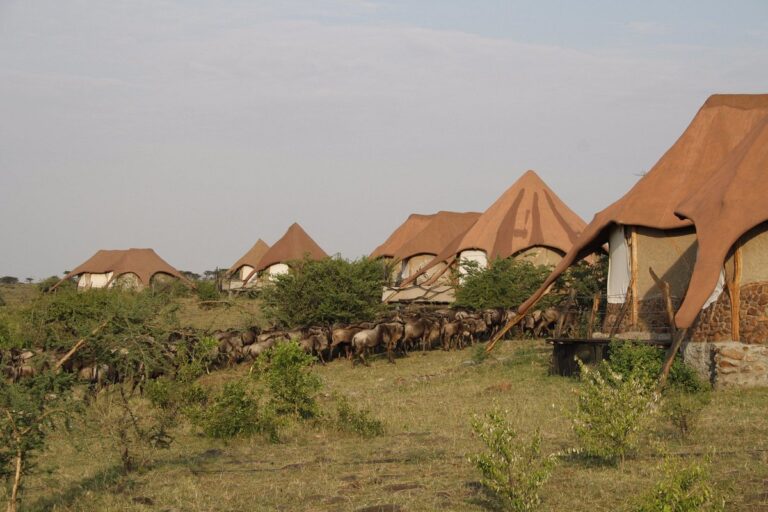
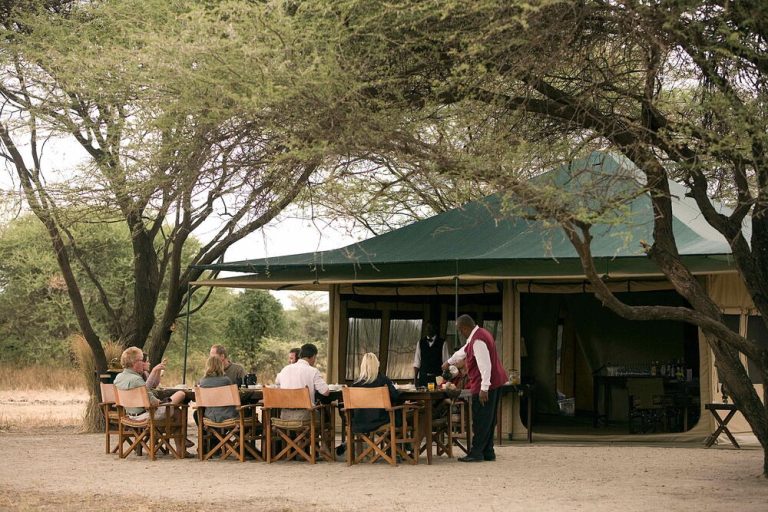
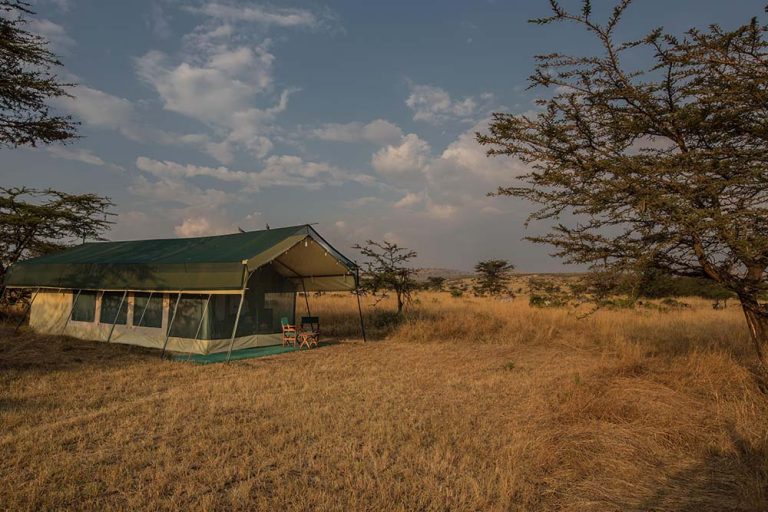
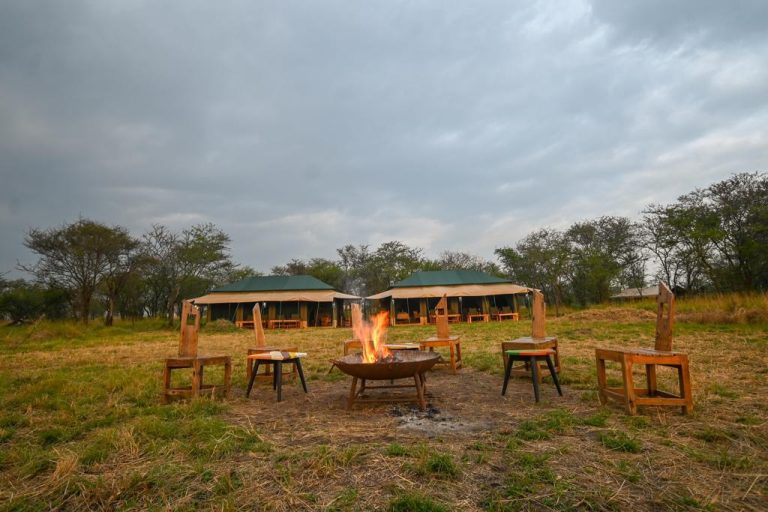
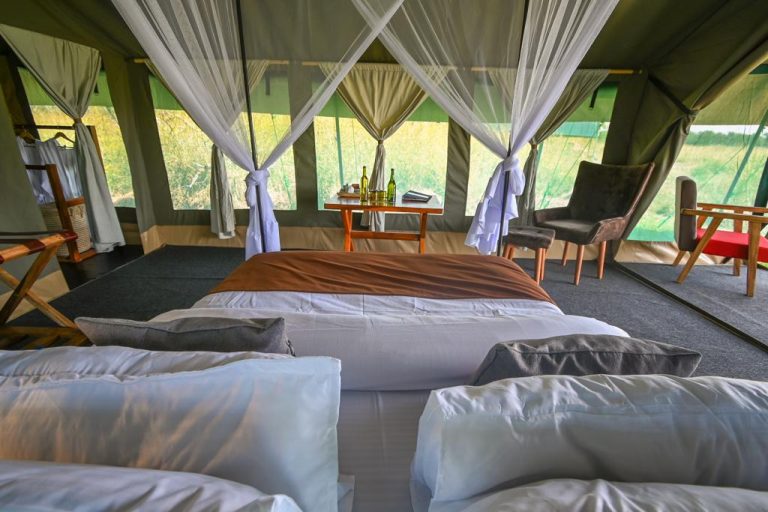
Explore a range of accommodation options designed to suit various preferences and budgets at this location. From comfortable lodges and tented camps to modern hotels, the area provides convenient access to nearby attractions and activities. Scroll through the carousel to find detailed listings of each property, including amenities and contact information, making it easy to plan your stay.
No results available
Explore Lake Manyara National Park with these recommended tours
No results available
Three things above all. The tree-climbing lions rest along the branches of acacias through the heat of the day, behaviour recorded in only a handful of places in Africa. The flamingos gather in their thousands in the shallows of the alkaline lake. And the dense groundwater forest at the park entrance, fed by springs running off the Rift Valley escarpment, is unlike anything else on the northern circuit. It also holds one of the largest olive baboon populations anywhere in Africa, often hundreds strong.
Most visitors spend half a day to a full day here, and that is usually enough. The park is compact at roughly 648 square kilometres, much of which is the lake itself, so a single well-planned drive covers the main circuits comfortably. It is almost always visited as the first or last stop on a northern circuit itinerary rather than as a destination in its own right. Adding the treetop canopy walkway or a night drive extends a visit comfortably to a full day.
June to October is strongest for general game viewing, when the vegetation thins out and animals concentrate near water. November to June suits birders considerably better, including the flamingos, and the park is greener, quieter and cheaper. April and May bring the heaviest rain of the year, when some tracks become difficult and a number of lodges close for the season. Both halves of the year have their case, so let the flamingos or the big game decide which you prioritise.
Not reliably, no. Flamingo numbers rise and fall with the lake’s water level and the algae they feed on, so the spectacle is strongest after the rains, roughly November to June. In a dry year the lake can shrink dramatically and the birds move on to other Rift Valley lakes such as Natron or Eyasi. Treat a large flock as a bonus rather than a guarantee. If flamingos are the main reason for your visit, travel in the green season and check recent conditions with your operator.
Yes, and it is one of the park’s genuine distinctions. Lake Manyara is among the few national parks in Tanzania that permits game drives after dark, run with a licensed guide and an accompanying park ranger. They offer the best chance of seeing genet, civet, bushbaby, porcupine and the occasional leopard on the move, all of which are difficult or impossible to find during daylight hours. They must be booked through your operator in advance, as ranger availability is limited each evening.
The park lies about 126 kilometres west of Arusha, roughly a two-hour drive on sealed road as far as the park gate at the village of Mto wa Mbu. Light aircraft also serve the Lake Manyara airstrip on scheduled routes from Arusha, the Serengeti and Zanzibar, which suits travellers on shorter itineraries. That proximity to Arusha is why the park so often opens a northern circuit safari. That proximity to Arusha is why the park so often opens a northern circuit safari before the road climbs toward Ngorongoro.
Binoculars matter more here than in most Tanzanian parks, given the density of birdlife and the forest canopy overhead. Bring insect repellent, layers for cool mornings, sun protection and neutral colours that work in both forest and open plain. Keep food secured at all times and vehicle windows closed when parked, because the baboons around the picnic sites are bold and thoroughly practised at theft. A light waterproof is sensible outside the dry season, as showers arrive quickly off the escarpment.
It is a genuine novelty and the only walkway of its kind in Tanzania, carrying you on a suspended bridge through the groundwater forest canopy at bird height. The circuit takes roughly an hour with a guide and suits families and anyone who wants a break from the vehicle. It is not a wildlife spectacle in the way a game drive is, but the perspective on the forest itself is worth the time.
Explore other optional accommodation to consider at