

African Lion
Occasional
Tanzania
All year round
14,750 sq km
27 'C
30mm
12 Year
A UNESCO World Heritage Site, Serengeti National Park is one of the premier wildlife sanctuaries on earth. Its vast grasslands — the Maasai’s endless plains — span more than 14,700 square kilometres, and they are famed above all for the Great Migration, in which some 1.5 million wildebeest and 300,000 zebra traverse the savanna each year in search of fresh pasture and water.
The park offers considerably more than the migration. Lions stalk prey across the golden plains, elephant herds move through the woodland, giraffes browse the acacias and hippos crowd the rivers. The landscape shifts from open short-grass plains in the south to rocky kopjes around Seronera, riverine forest along the Grumeti and Mara, and rolling woodland in the north, and each of those habitats sustains its own distinct community of wildlife.
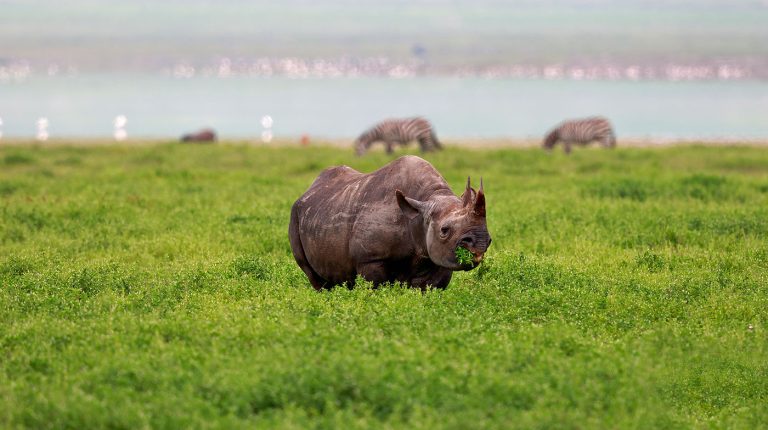
The Serengeti holds one of the highest concentrations of large predators anywhere in Africa. Lion prides here are unusually large, cheetah hunt the open southern plains, and leopard rest in the sausage trees along the Seronera River. All of the Big Five occur within the park, though black rhino are rare and largely confined to the Moru Kopjes.
Safari experiences range from hot-air balloon flights at sunrise and jeep-based game drives to guided walks with an armed ranger in the northern sectors. The park rewards a visit in every month of the year, because the resident game does not leave when the herds move on.
The Serengeti is a cultural landscape as much as a natural one. The Maasai — recognisable by their red shukas, intricate beadwork and cattle-centred way of life — are the best known of the communities living around the park, and it is their name for this country, siringet, meaning the place where the land runs on forever, that gave the Serengeti its own.
The Ikoma, Kurya and Sukuma add further depth to the region, each with distinct languages, spiritual practices and storytelling traditions. The Sukuma are Tanzania’s largest ethnic group, farming and herding to the south and west, while the Ikoma have lived along the western and northern margins of the park for generations.
Permanent settlement inside the park is prohibited, but cultural tourism is well established in the surrounding villages and in the Loliondo and Ngorongoro areas to the east. Visitors can learn about Maasai herding practice, join traditional dances, watch beadwork and metalwork being made, or browse local craft markets.
These visits work best when arranged through your operator or a community-run programme rather than negotiated at the roadside, because that is how the fees actually reach the households involved. Approached that way, they offer a genuine sense of how people have lived alongside this ecosystem for centuries rather than a staged performance.
The Serengeti is world-famous for its incredible wildlife. Its most iconic spectacle is the Great Migration, a circular journey of over 1.5 million wildebeest, joined by zebras and gazelles, pursued by predators such as lions, cheetahs, and hyenas.
Other commonly seen animals include Lions, Elephants, Leopards, Buffalo, Rhinos, Giraffes, Hippos, Baboons, Dik-diks, and Gazelles & Impalas
Whether during a sunrise game drive or a river crossing encounter, the Serengeti delivers some of the most dramatic wildlife scenes on Earth.
The Serengeti is a paradise for birdwatchers, boasting over 500 recorded species. Its ecosystems—plains, wetlands, woodlands, and savannas—attract both resident and migratory birds.
Highlights include:
Ostrich (the world’s largest bird), Secretary bird, Kori bustard, Marabou stork, Crowned crane, Lilac-breasted roller, Vultures and eagles
During the wet season, migratory birds arrive in abundance, making this a prime time for birdwatching.
By Air
Fly to Kilimanjaro International Airport (JRO) or Dar es Salaam Airport (DAR) in Tanzania. From there, take a connecting flight to one of the Serengeti’s airstrips, like Seronera or Grumeti. Flights depart from Arusha and other major cities.
Take a chartered flight directly to one of the airstrips in the Serengeti. This is the quickest but most expensive option.
By Car
From Arusha, take a 5-hour drive west to the Naabi Hill entrance gate. This route passes through the Ngorongoro Conservation Area. A 4×4 vehicle is required.
From Mwanza, take a 7+ hour drive south via the Klein’s Gate entrance. A 4×4 vehicle is strongly recommended for this rough road.
Driving within the park requires a 4×4 vehicle. Be aware of wildlife crossing the roads.
Exploring the wildlife and attractions of this East African gem offers a once-in-a-lifetime experience filled with breathtaking landscapes, diverse ecosystems, and unforgettable encounters with nature.
No results available
The Serengeti has a tropical savanna climate moderated by altitude, ranging from around 920 metres in the western corridor to 1,850 metres on the eastern plains. Days are consistently warm at 25°C to 30°C, while nights fall to 12°C to 18°C, and mornings on the higher southern plains can feel genuinely cold in an open vehicle.
The long dry season runs from June to October, with monthly rainfall often under 30 millimetres, clear skies and humidity dropping to 35 or 45 per cent. A shorter dry period in January and February is what makes the calving season on the southern plains so accessible.
Rain arrives in two phases. The short rains of November and December bring brief afternoon showers totalling 100 to 150 millimetres a month, which rarely disrupt a drive. The long rains of April and May are heavier, exceeding 150 millimetres, when black cotton soil turns to mud and some tracks become impassable.
Annual precipitation averages 900 to 1,000 millimetres but falls unevenly, the north and west being wetter than the southern plains, which is why the herds move as they do.
The Serengeti is worth visiting in any month. What changes is where the migration sits, and the herds move on a circuit predictable enough to plan around the stage you want to see.
January to March is calving season on the southern plains around Ndutu, where as many as 8,000 calves are born in a single day at the peak, and predator activity is more intense than at any other point in the year.
April and May bring the long rains, the quietest and cheapest time to travel, though some tracks become difficult and a number of seasonal camps close.
June to September is crossing season, the Grumeti around June and the Mara River in the north from July, with August and September most reliable. This is peak season, and the best camps sell out months ahead at the highest rates.
October to December sees the herds turn south, with the short rains bringing a green flush and migratory birds. Worth saying plainly: the resident game does not leave with the migration, so a trip timed away from the herds is still a first-rate safari.
While the Serengeti is remarkably safe, wildlife poses the greatest risk. Predators such as lions and leopards, as well as unpredictable animals like elephants and buffalo, can be dangerous if approached. For this reason, leaving vehicles outside designated areas is prohibited, and game drives should always be led by licensed guides who understand animal behavior.
Driving conditions can be challenging, as most roads are unpaved and become muddy during the rainy seasons. While most tour operators prioritize your safety with customized 4×4 safari vehicles, accidents may still occur due to speeding, sudden animal crossings, or breakdowns in remote areas. For this reason, it is crucial to choose an operator who prioritizes employing highly skilled and knowledgeable guides..
Crime inside Serengeti National Park is very rare. Camps and lodges are secure, with staff trained for emergencies. Still, visitors should lock valuables away and avoid leaving belongings unattended. Outside the park, especially in nearby towns, travelers should follow standard precautions—such as avoiding isolated areas after dark and keeping important items like passports and money safely stored.
Follow 1.5 million wildebeest from the calving plains in the south to the northern crossings.
Wait on the bank as the herds mass, hesitate, then plunge through the crocodiles.
Track lion and leopard along the river valley in the first light of morning.
Drift low over the plains at sunrise, then land to a full bush breakfast.
Read tracks, dung and birdsong on foot beside an armed ranger and guide.
Maasai paintings, a boulder that rings when struck, and the park’s black rhino.
One of the few places you may leave the vehicle, above a pool packed with hippo.
Over 500 recorded species, swelled by migrants through the green season.
Low, open-sided vehicles built for eye-level light at dawn and dusk.
The densest lion population in Africa, with leopard in the sausage trees.
Herding, beadwork and dance in the villages along the park boundary.
Breakfast under an acacia, sundowners on a granite outcrop as the light goes.
A kopje trail, ecosystem exhibits and a shaded picnic stop between drives.
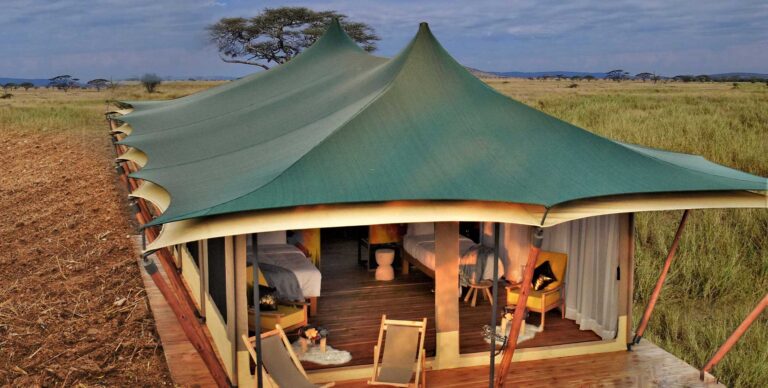
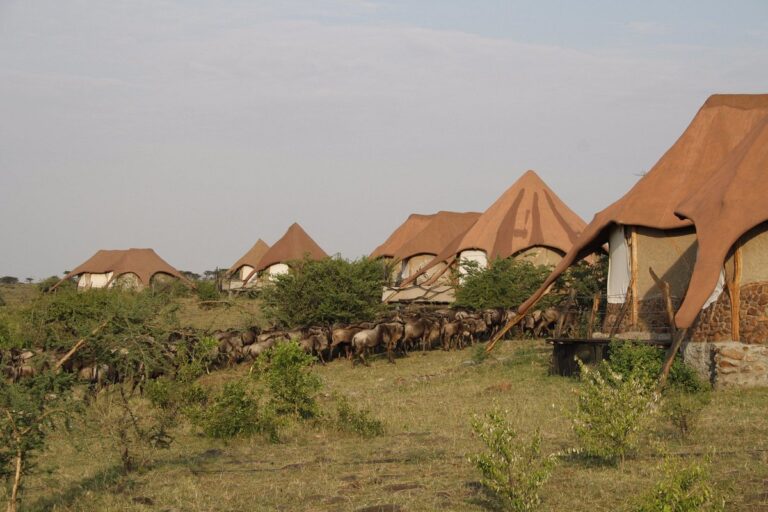
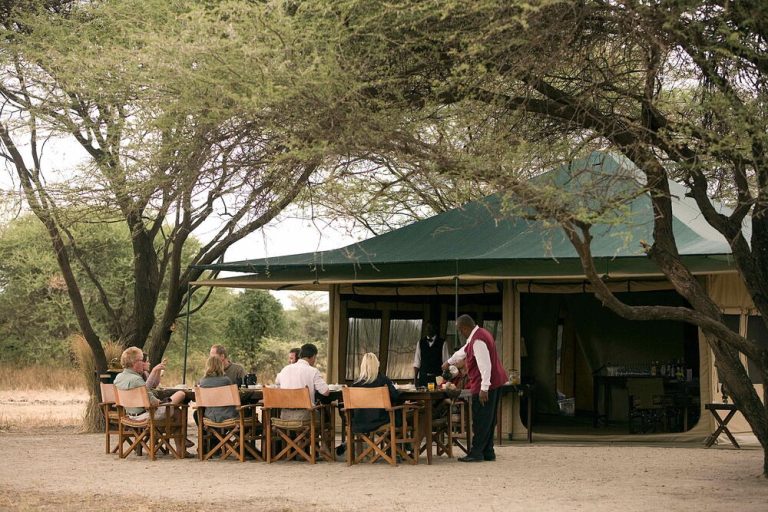
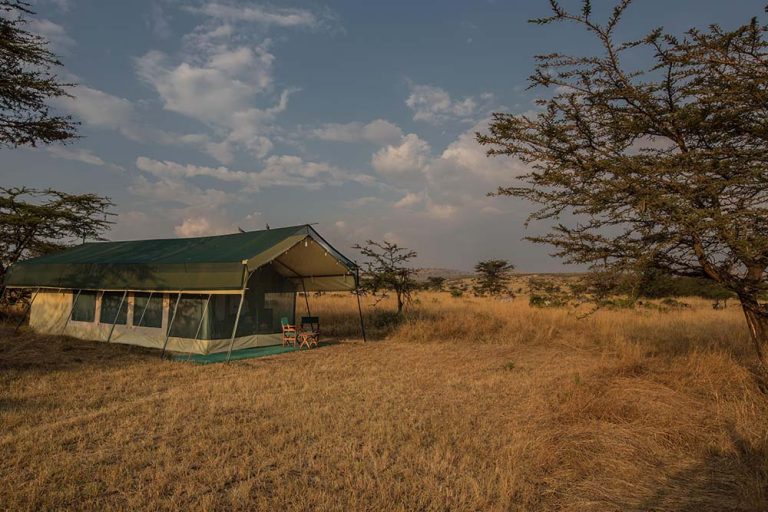
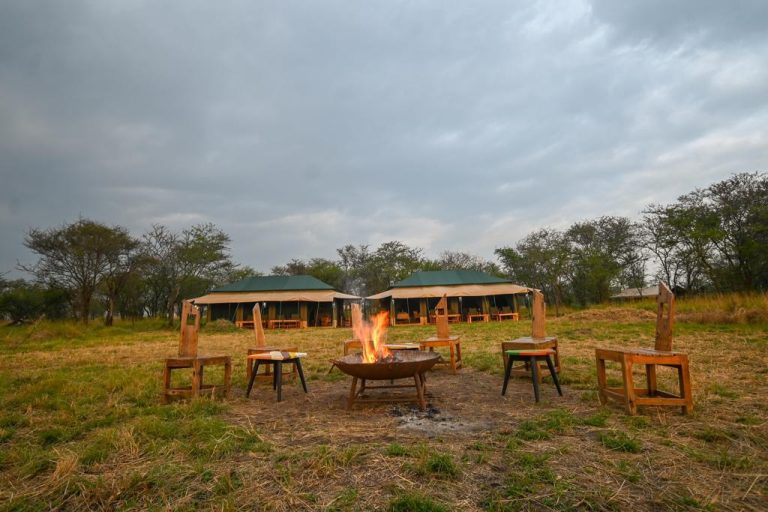
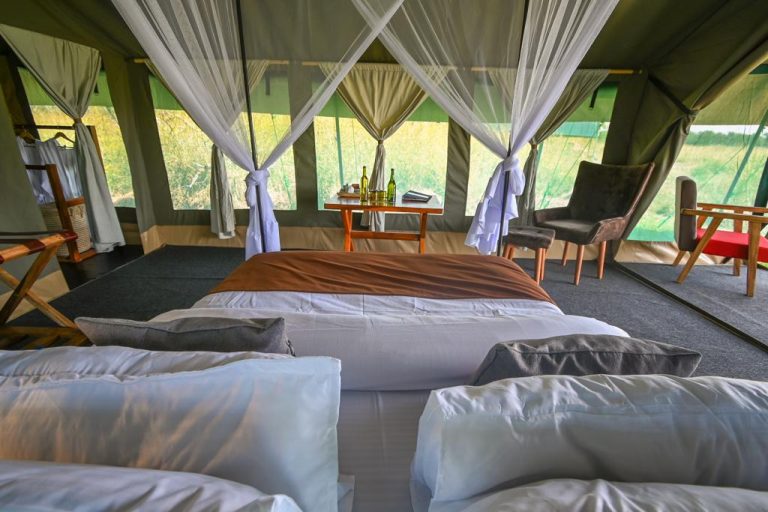
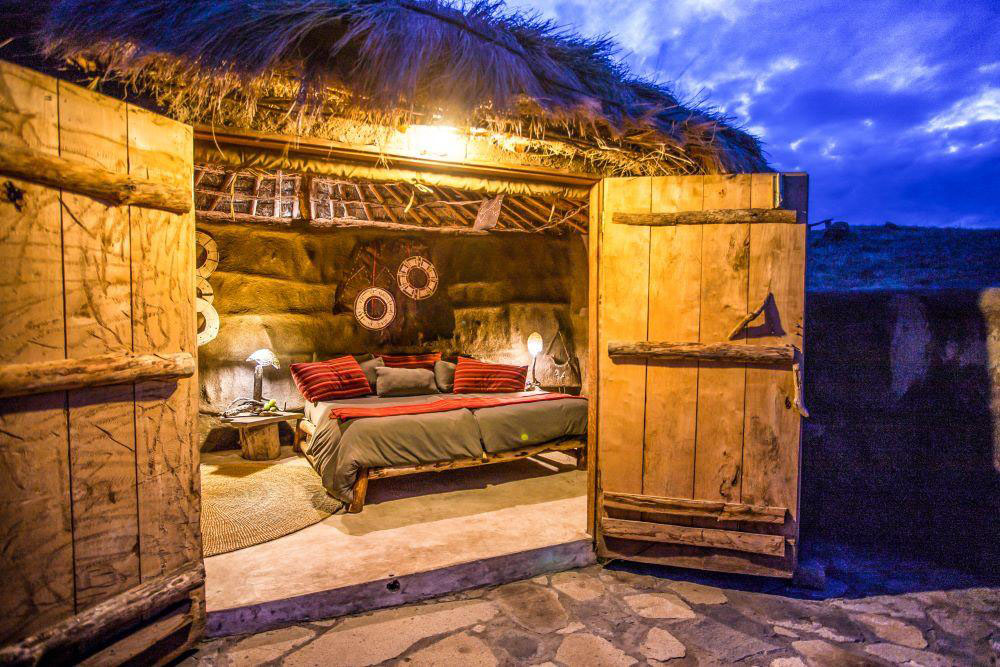
Explore a range of accommodation options designed to suit various preferences and budgets at this location. From comfortable lodges and tented camps to modern hotels, the area provides convenient access to nearby attractions and activities. Scroll through the carousel to find detailed listings of each property, including amenities and contact information, making it easy to plan your stay.
No results available
Explore Serengeti National Park with these recommended tours
No results available
It depends entirely on which stage you want to witness, because the herds are always somewhere. Calving runs from January to March on the southern short-grass plains around Ndutu, when as many as eight thousand calves are born in a single day and predator activity reaches its peak. The Grumeti River crossings fall around June in the western corridor, and the far more dramatic Mara River crossings happen between July and September in the north.
All of the Big Five occur within the park — lion, leopard, rhino, elephant and buffalo — although black rhino are genuinely rare and largely confined to the Moru Kopjes area. Beyond those, wildebeest, zebra, giraffe, hyena, cheetah, jackal, hippo, baboon, warthog and several gazelle species are seen routinely on any standard circuit. The Seronera Valley offers the most dependable big-cat viewing at any time of year. Wild dog have returned to parts of the ecosystem in recent years and are seen occasionally in the north.
Yes. Crime inside the park is extremely rare, camps and lodges are secure, and staff are trained for emergencies. The genuine risk is the wildlife itself: leaving your vehicle outside designated areas is prohibited, and every game drive should be led by a licensed guide who can read animal behaviour. Road conditions warrant care too, as most tracks are unpaved and turn muddy during the rains. Outside the park, apply the usual precautions in Arusha and the towns along the route.
Consult a travel clinic well before departure, ideally six to eight weeks ahead so there is time for any course requiring multiple doses. Vaccines commonly recommended for Tanzania include yellow fever, typhoid, hepatitis A and B, and tetanus, and malaria prophylaxis is strongly advised throughout the country. A yellow fever certificate may be required if you are arriving from a country where the disease is endemic. Carry prescription medication in your hand luggage rather than checked baggage, as bags occasionally miss light aircraft connections.
Four to seven days is the usual range, and it is the range most operators would recommend. That gives you enough time to cover more than one region, position yourself along the migration route, and combine game drives with a balloon flight or a cultural visit without spending the whole trip in transit. Shorter stays are possible if you fly in, but the park is vast and distances between regions are considerable.
Yes, though most lodges set a minimum age of twelve, and several activities carry their own limits — balloon flights and walking safaris in particular usually require guests to be older still. Families should choose camps that run child-friendly programmes, and make sure children understand the safety rules before the first game drive, especially the rule about staying inside the vehicle at all times. Long transfers between regions can be demanding for younger children, so consider flying between sectors rather than driving.
It depends on the month. Ndutu and the southern plains suit January to March for calving, the western corridor around Grumeti works for June, and the northern Kogatende and Lamai areas are where you want to be from July to September for the Mara crossings. Seronera in the centre is the reliable year-round choice for resident big cats, and is the most accessible sector by road from Ngorongoro. Mobile camps that reposition with the herds are the alternative if you want to follow the migration rather than commit to one sector.
For most people who do it, yes, though it is a significant expense at roughly 550 to 650 US dollars per person. The flight lasts about an hour at sunrise, drifting low over the plains and rivers before landing for a full bush breakfast, and it offers a perspective on the landscape that no vehicle can match. Capacity is limited and dry-season slots sell out months in advance, so book early.
Explore other optional accommodation to consider at