

Maasai Market
CENTRAL ARUSHA
Beadwork, carvings and fabric, sold hard and priced by negotiation.
Tanzania
208 sq km
26 'C
20mm
Arusha is the safari capital of Tanzania and the starting point for almost every northern circuit itinerary, sitting at around 1,400 metres beneath the bulk of Mount Meru.
It is a working city rather than a resort, home to the East African Community headquarters and to the international tribunal that tried the Rwandan genocide cases, and its centre is busy, green and pleasantly cool by Tanzanian standards.
The clock tower in the middle of town is said to mark the midpoint between Cairo and Cape Town, and the city has grown outward from it into a sprawl of safari operators, craft markets, coffee shops and the workshops where every Land Cruiser on the circuit gets outfitted.
Most visitors pass through for a night at either end of a safari, but Arusha rewards a full day: craft markets, a strong coffee culture, cultural tourism programmes in the villages on the Meru slopes, and easy access to Arusha National Park an hour away.
Arusha sits at the meeting point of Maasai, Meru and Arusha peoples, and that mix is visible in the markets, where pastoralists in shuka trade alongside highland farmers selling produce from the volcanic slopes above the city.
The Meru farm the fertile southern slopes of the mountain that shares their name, growing coffee and bananas in one of the most densely settled rural areas in Tanzania. The Maasai graze the drier plains east and north, and the two have a long history of trade and periodic friction over land and water.
The Cultural Heritage Centre and the Maasai Market are the obvious stops for crafts, though both require firm negotiation. Community tourism programmes at Ilkiding’a, Ng’iresi and Mulala offer village walks, farm visits and cooking with local families, with fees going directly to those villages.
Arusha also has a substantial Indian and Arab commercial community of long standing, which shows in the city’s food, its architecture and the mix of businesses along the older central streets.
By Air
Kilimanjaro International Airport (JRO) is about 50 kilometres east, roughly an hour by road, and handles most international arrivals. Arusha Airport, 8 kilometres west of town, handles light aircraft to the safari circuit and Zanzibar.
By Road
Moshi is 80 kilometres east, about ninety minutes. Dar es Salaam is a long day at roughly 630 kilometres, and Nairobi is around 270 kilometres north via the Namanga border, typically five to six hours including formalities.
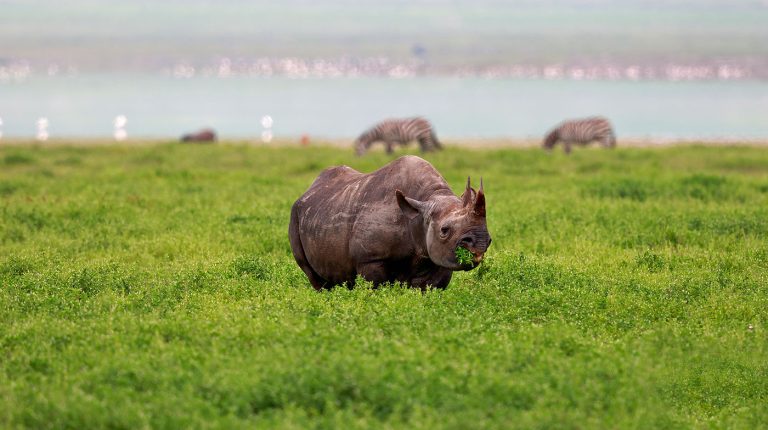
Exploring the wildlife and attractions of this East African gem offers a once-in-a-lifetime experience filled with breathtaking landscapes, diverse ecosystems, and unforgettable encounters with nature.
No results available
At 1,400 metres Arusha is temperate rather than tropical, which surprises visitors expecting equatorial heat. Days sit between 23°C and 29°C and nights fall to 12°C to 16°C, so a jacket is needed in the evenings for much of the year.
The long rains run March to May, with April the wettest at around 230 millimetres, and short rains fall through November. Annual rainfall is roughly 900 millimetres, more than the plains below, because Mount Meru catches moisture as it rises.
June to October is clear and comfortable, and this is when Mount Meru is most reliably visible from the city, usually in the early morning before cloud builds by mid-morning. Kilimanjaro appears occasionally on the clearest days.
Rain arrives as heavy afternoon storms rather than all-day drizzle. Pack layers rather than purely hot-weather clothing: the difference between a Serengeti afternoon and an Arusha evening is greater than most first-time visitors anticipate.
Mornings are the clearest part of the day for mountain views, so plan any photography before the cloud builds.
Arusha is comfortable year-round, and its own weather rarely dictates a trip. What matters far more is the safari season the city feeds.
June to October is dry, clear and cool, coinciding with the peak northern circuit months and offering the best chance of seeing Mount Meru from town. Hotels fill and rates rise, so book ahead if your safari dates are fixed.
December to February is warmer and also largely dry, coinciding with wildebeest calving on the Ndutu plains. The city is quieter than mid-year and rates are more reasonable outside the Christmas fortnight.
March to May brings the long rains, the quietest streets and the lowest hotel rates of the year. Arusha itself remains pleasant, and if you are combining a city stay with lodge time this can be good value.
For a stopover of a night or two, any month works.
Arrive with a full day free if you want to see the city properly. Arusha also has the best banking, pharmacies and outdoor shops on the circuit, so it is the place to resolve anything outstanding before heading into the bush.
Arusha is generally safe but has the petty crime of any busy East African city. Bag snatching and phone theft happen in the central market area and around the clock tower, so keep valuables out of sight and use taxis after dark.
Persistent touts and unofficial safari agents operate around the bus stand and budget hotels. Book through a licensed operator with a verifiable TALA licence rather than someone approaching you on the street, and never hand over cash for a safari without a written contract.
Beadwork, carvings and fabric, sold hard and priced by negotiation.
A vast gallery of East African art, antiques and Tanzanite.
Giraffe, colobus and flamingo lakes under Mount Meru, an hour away.
Farm walks and cooking with Meru families on the mountain slopes.
Arabica estates on the volcanic slopes, from picking to cupping.
The midpoint between Cairo and Cape Town, and the city's landmark.
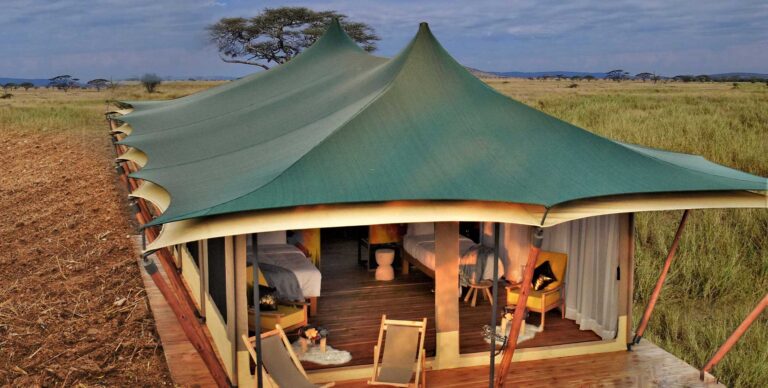
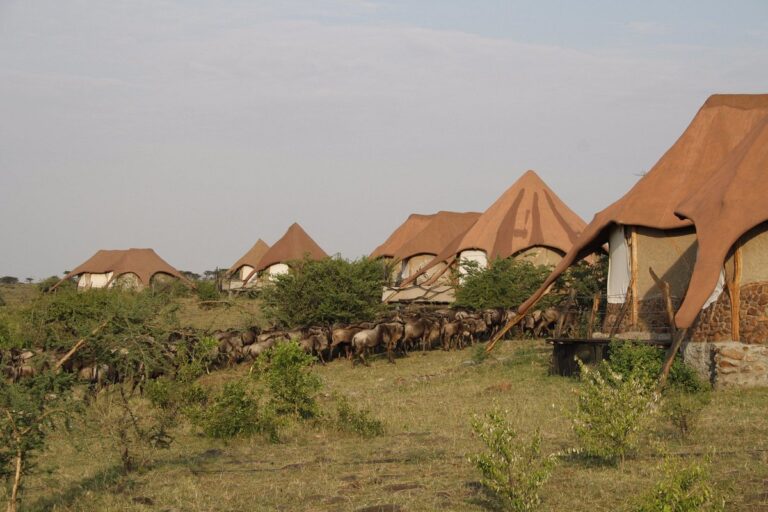
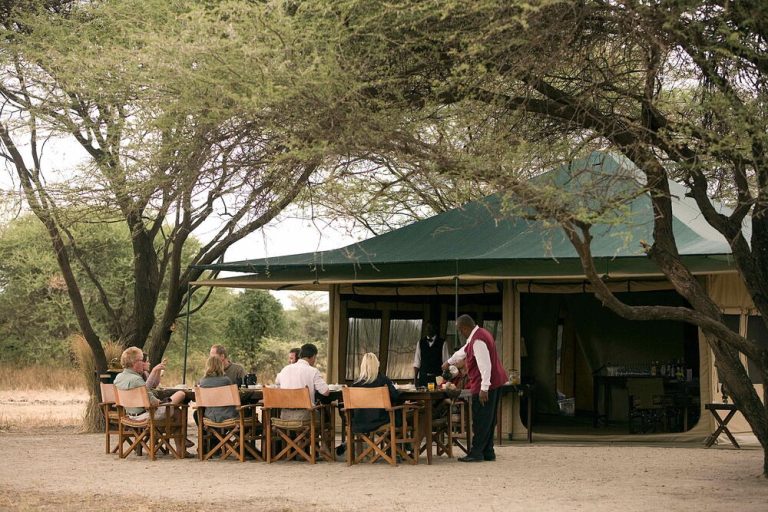
Explore a range of accommodation options designed to suit various preferences and budgets at this location. From comfortable lodges and tented camps to modern hotels, the area provides convenient access to nearby attractions and activities. Scroll through the carousel to find detailed listings of each property, including amenities and contact information, making it easy to plan your stay.
No results available
Explore Arusha with these recommended tours
No results available
Arusha sits at the gateway to Tanzania’s northern circuit, within a few hours of Lake Manyara, Tarangire, Ngorongoro and the Serengeti, so it is where operators are based and where vehicles are outfitted. Kilimanjaro International Airport is an hour away and Arusha Airport handles light aircraft to the park airstrips. Almost every northern itinerary begins and ends with a night here, and even fly-in trips are coordinated by an Arusha-based operator.
Yes, though most visitors treat it as a transit stop. A full day allows the Maasai Market and the Cultural Heritage Centre, a coffee farm tour on the volcanic slopes outside town, and a village cultural programme at Ilkiding’a or Ng’iresi. Arusha National Park is an hour away and makes an excellent acclimatisation day before a longer safari or a Kilimanjaro climb. It also has the best shops between Nairobi and Dar es Salaam.
The airport lies about 50 kilometres east of the city, roughly an hour by road. Most safari operators and hotels include the transfer, which is the simplest option and usually cheaper than a taxi arranged on arrival. A shuttle bus also runs to the city centre. Agree any taxi fare before setting off, and allow more than an hour in the late afternoon when traffic entering the city builds considerably.
Broadly yes, with the usual precautions of a busy East African city. Bag snatching and phone theft occur around the central market and clock tower, so keep valuables out of sight and take taxis after dark. The more common problem is unlicensed safari agents approaching tourists near the bus stand: book through an operator with a verifiable TALA licence and a written contract rather than someone met on the street.
Check the operator holds a current TALA licence issued by the Tanzania Tourist Board, and ask to see it. Get the itinerary, inclusions and total cost in writing before paying anything, and be wary of prices well below the market, since park fees alone are fixed and substantial. Payment through a company account rather than an individual is a reasonable safeguard, and reputable operators will not object to any of this.
Maasai beadwork, Makonde ebony carving, batik fabric, Tingatinga painting and Tanzanite, the blue gemstone found only in this region. The Maasai Market is cheapest but requires hard bargaining, typically settling around a third of the opening price. The Cultural Heritage Centre is fixed-price, higher quality and considerably more expensive. For Tanzanite, buy only from a certified dealer who provides documentation. Arusha also has the best banking, pharmacies and outdoor shops between Nairobi and Dar es Salaam, so it is the sensible place to resolve anything before heading into the parks.
Arusha National Park is under an hour, Lake Manyara around two hours, Tarangire about two hours, and Karatu near the Ngorongoro gate roughly three. The Serengeti is a long day by road, six to eight hours depending on the sector, which is why many itineraries fly at least one leg. That proximity to four major parks is the whole reason the safari industry concentrated here. Allow for traffic entering the city in the late afternoon, which can add half an hour to any transfer.
Yes, and many operators are based here, though Moshi is closer to the mountain and to the Marangu and Machame gates. Arusha suits climbers who want to combine a trek with a northern circuit safari, since everything can be arranged through one operator. Transfers to the trailheads take around two hours. If the climb is your only reason for visiting Tanzania, Moshi is the more practical base. Most hotels will arrange a trusted driver for evening outings, which is worth using rather than walking between venues after dark.
Explore other optional accommodation to consider at