

Stone Town
OLD TOWN · FORODHANI
A UNESCO maze of coral-rag lanes, carved doors and Swahili history.
Tanzania
2,462 sq km
30 'C
30mm
Zanzibar is a semi-autonomous archipelago in the Indian Ocean about 35 kilometres off the Tanzanian mainland, made up of Unguja, the main island usually meant by the name, along with Pemba and dozens of smaller islets.
Its history is written into the streets of Stone Town, a UNESCO World Heritage Site of coral-rag buildings, carved doors and narrow lanes that grew from a thousand years of monsoon trade between Africa, Arabia, India and Persia, and from the spice and slave economies that followed.
Beyond the town, the island is fringed with white sand and shallow turquoise water. The east coast has long tidal shifts and a reef-protected lagoon, the north around Nungwi and Kendwa swims at all tides, and the south-west is quieter and better for sunsets over the water.
Inland, the spice farms that gave Zanzibar its other name still grow clove, nutmeg, cinnamon and pepper, and the Jozani forest shelters the endemic Zanzibar red colobus. It is the most common add-on to a Tanzanian safari, and increasingly the reason people come at all.
Zanzibari culture is Swahili in the fullest sense, shaped by a thousand years of monsoon trade that carried dhows between the East African coast, the Gulf, India and beyond. The result is a distinct blend of African, Arab, Persian and Indian influence in language, food, music and architecture that exists nowhere else in quite this form.
Stone Town is the centre of it. The Old Fort, the House of Wonders, the Anglican Cathedral built over the site of the old slave market, and the Palace Museum all sit within a short walk of one another, and the former slave chambers beneath the cathedral are a sobering and necessary part of any visit.
Taarab music, sung in Swahili to an orchestra of Arab and Indian instruments, is performed most evenings, and the annual Sauti za Busara festival in February draws musicians from across the continent. The Zanzibar International Film Festival follows in July.
The islands are predominantly Muslim, and visitors are asked to dress modestly away from the beaches, covering shoulders and knees in Stone Town and in villages. During Ramadan many restaurants close during daylight hours, and the expectation around dress and public eating is stronger.
By Air
Abeid Amani Karume International Airport (ZNZ) sits just outside Stone Town and handles direct international flights from Europe and the Gulf, along with frequent domestic services. The hop from Dar es Salaam takes about twenty minutes and from Arusha around ninety.
By Sea
Fast ferries cross from Dar es Salaam several times daily, taking about two hours to Stone Town. Buy tickets at the official terminal counters rather than from touts, and be aware that foreign visitors pay a higher published fare than residents.
Exploring the wildlife and attractions of this East African gem offers a once-in-a-lifetime experience filled with breathtaking landscapes, diverse ecosystems, and unforgettable encounters with nature.
No results available
Zanzibar has a tropical maritime climate, hot and humid year-round with the ocean moderating the extremes. Days sit between 28°C and 33°C and nights rarely fall below 21°C, so the difference between seasons is measured in rainfall and humidity rather than temperature.
The long rains, known locally as masika, run from late March through May. April is emphatically the wettest month, often exceeding 300 millimetres, with downpours lasting hours. Many east coast hotels close through April and into May, and dirt roads to smaller villages become difficult.
The short rains, or vuli, arrive in November and December and behave quite differently: brief, intense afternoon showers that clear as quickly as they build, rarely disrupting a holiday.
The two dry seasons are June to October and January to February. The monsoon winds drop humidity noticeably from June to August, with July the coolest month at around 28°C, while January and February are the hottest and stillest.
Pack light cotton and linen, strong sun protection, and something to cover shoulders and knees for Stone Town.
Zanzibar works for most of the year, and the choice comes down to what you want from the sea, the weather and your budget.
June to October is the most reliable window and the main high season. Humidity drops with the monsoon winds, skies are clear and rainfall is minimal. July and August are the coolest and busiest months, so book well ahead.
January and February form a second dry window and are the hottest months. The sea is at its calmest and visibility for diving is at its best, which is why serious divers prefer this period. The trade-off is heavy humidity.
November and December bring short rains as brief afternoon showers, with lower rates until the Christmas peak.
April and May are the months to avoid: heavy sustained rain, seaweed on the east coast beaches, and many hotels and dive centres closed.
Whichever window you choose, book well ahead if you are arriving from a Serengeti safari during the migration months, when the whole country is full and the better beach hotels sell out first.
Standard precautions apply. Travel with a licensed guide, keep valuables secured, and follow local advice on where and when it is sensible to walk. Roads deteriorate during the rains and night driving is best avoided throughout the region.
Where wildlife is present, remain in your vehicle outside designated areas and keep a respectful distance from all large animals. Water safety matters on the coast and the lakes: check conditions locally before swimming, and be aware of currents and tides.
A UNESCO maze of coral-rag lanes, carved doors and Swahili history.
Clove, nutmeg, cinnamon and pepper on the farms that named the island.
The endemic Zanzibar red colobus, found nowhere else on earth.
Sandbanks, giant tortoises and snorkelling a short dhow ride out.
Reef walls, turtles and dolphins on the archipelago's best dive site.
Traditional sailing dhows on the water as the light goes.
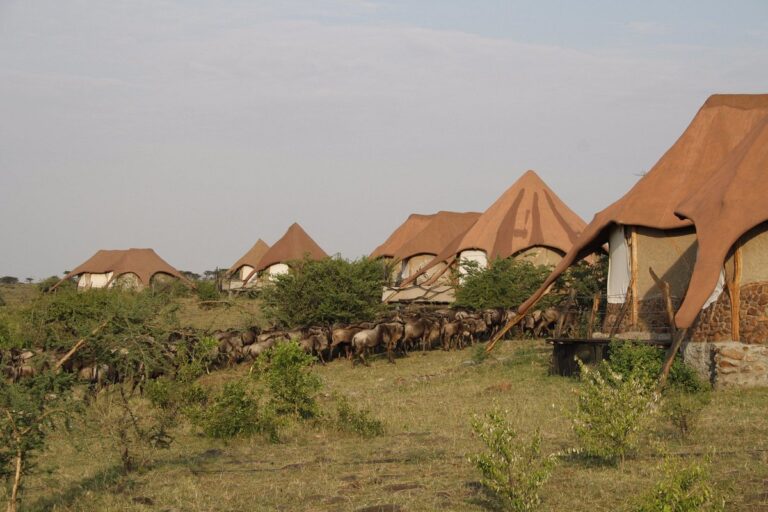
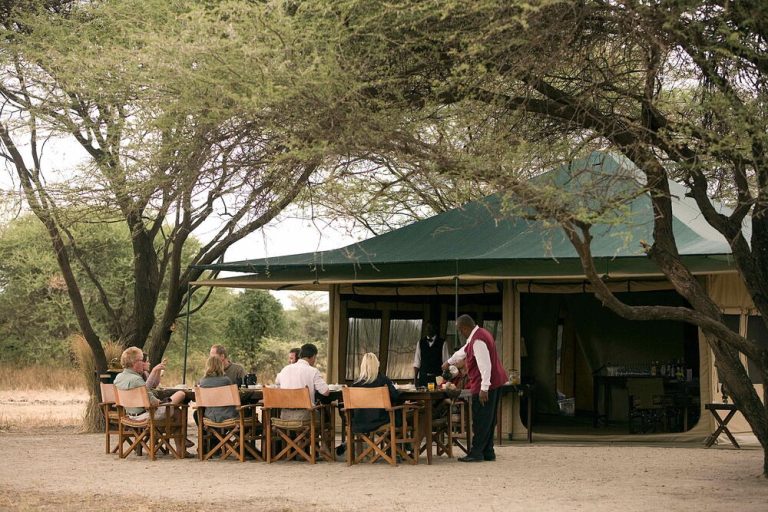
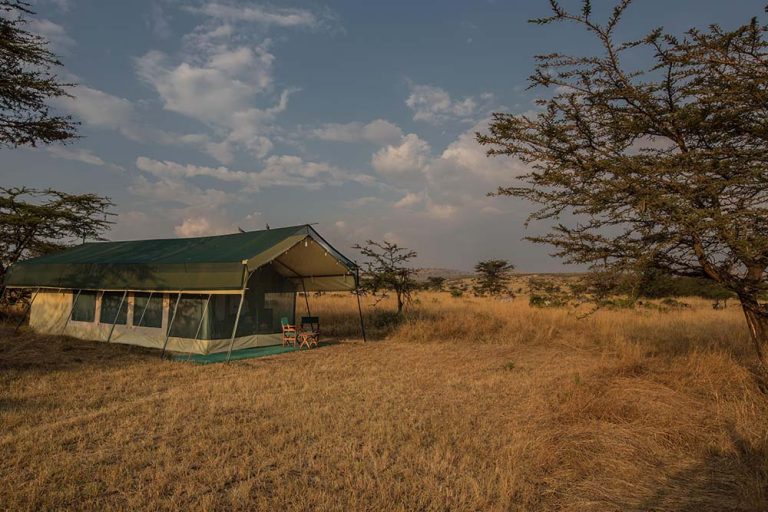
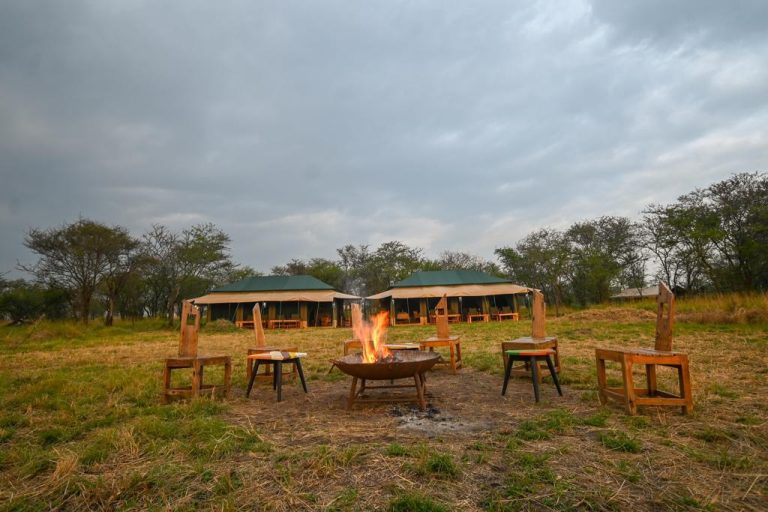
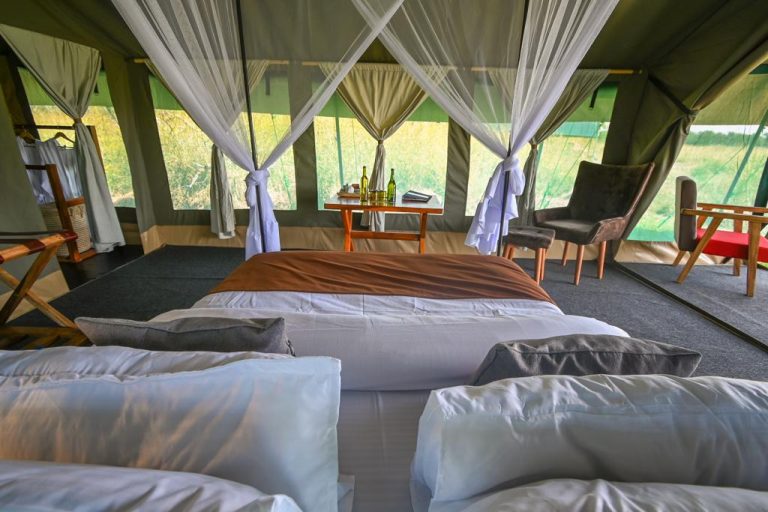
Explore a range of accommodation options designed to suit various preferences and budgets at this location. From comfortable lodges and tented camps to modern hotels, the area provides convenient access to nearby attractions and activities. Scroll through the carousel to find detailed listings of each property, including amenities and contact information, making it easy to plan your stay.
No results available
Explore Zanzibar with these recommended tours
No results available
June to October is the most reliable period, with low humidity, clear skies and minimal rain, and it is the main high season. January and February form a second dry window, hotter and more humid but with the calmest, clearest sea, which suits divers particularly well. April and May bring the heavy long rains, when seaweed collects on the east coast beaches and many hotels and dive centres close for the season entirely.
Fast ferries leave Dar es Salaam several times daily and reach Stone Town in around two hours, which is the most common route and straightforward to book ahead. Flights from Dar es Salaam take about twenty minutes and from Arusha around ninety, and there are direct international services from Europe and the Gulf. Buy ferry tickets at the official terminal counters, as touts outside routinely overcharge visitors. Immigration formalities apply on arrival even for domestic travellers.
The islands are predominantly Muslim, and while beachwear is perfectly normal at hotels and on the sand, visitors are asked to cover shoulders and knees in Stone Town and in villages. Light cotton and linen work best in the humidity, and a scarf or sarong is useful for both sun and modesty. During Ramadan the expectation is stronger still, and many restaurants close during daylight hours. Shoes that slip off easily are useful for entering mosques and homes.
Very good, with Mnemba Atoll off the north-east coast the best-known site, offering reef walls, turtles and frequent dolphin encounters. Visibility is at its clearest in the calm months of January to March and again from June to October. April and May are poor, with rough water and reduced visibility, and many dive centres close. Certification courses are widely available and comparatively inexpensive across the island, particularly around Nungwi and Paje.
It depends on what you want. The north around Nungwi and Kendwa has the best swimming at all states of the tide and the liveliest nightlife. The east coast at Paje and Jambiani has long tidal shifts that expose the reef flat twice daily, which suits kitesurfers but frustrates swimmers. The south-west is quieter with sunset views, and Stone Town suits anyone prioritising history and food over beach time. Many visitors split a week between Stone Town and one beach rather than trying to cover several coasts.
Five to seven nights is the usual recommendation for a proper stay, typically two in Stone Town and the rest on a beach. Three nights works as a short add-on after a safari but leaves little room for spice farms, Jozani forest or a dhow trip. Anyone planning to dive seriously or take a certification course should allow a full week, since courses run over three to four days. Anyone planning to dive seriously or take a certification course should allow a full week, since courses run over three to four days.
Generally yes, and violent crime against visitors is rare. Petty theft and bag snatching occur in Stone Town’s narrow lanes and on quieter beaches, so keep valuables secured and avoid walking isolated stretches of sand after dark. Respect for local dress and customs goes a long way. Take care with unlicensed boat operators and agree prices for excursions in advance, ideally through your accommodation. Take care with unlicensed boat operators, and agree prices for excursions in advance, ideally arranging them through your accommodation rather than on the beach.
A good deal. Stone Town alone justifies two days, with the Old Fort, House of Wonders, the former slave market site and the food stalls at Forodhani Gardens. Spice farm tours at Kizimbani and Kidichi explain how the islands built their wealth. Jozani forest holds the endemic Zanzibar red colobus, and dhow trips to Prison Island, Nakupenda sandbank and Mnemba fill the days between. Dhow trips to Prison Island, Nakupenda sandbank and Mnemba Atoll fill the days between comfortably.
Explore other optional accommodation to consider at