

National Museum
CITY CENTRE
Olduvai fossils, Zanzibar history and the Shirazi coastal past.
Tanzania
1,590 sq km
31 'C
30mm
Dar es Salaam is Tanzania’s largest city and its commercial heart, a hot, humid, fast-growing port on the Indian Ocean with a natural harbour that has shaped it since the nineteenth century.
The name means Haven of Peace, and although the traffic and pace of the centre argue otherwise, the city keeps a genuinely coastal character. Dhows still work the harbour, the Kivukoni fish market is among the busiest in East Africa, and the beaches north and south are within easy reach.
It grew from a small fishing settlement into a German colonial capital and then a British administrative centre, and the architecture of the older streets records both periods. The National Museum and the Village Museum between them cover the country’s archaeological and cultural history well.
For most visitors it is a gateway rather than a destination, being the main entry point for Zanzibar, the southern safari circuit and the coast. A day or two here, though, covers the museums, the fish market at dawn and a boat out to a nearby island.
Swahili culture is at its strongest here, shaped by centuries of monsoon trade between the African mainland, Arabia and India, and visible in the architecture, food and language of the older quarters. The city is Tanzania’s cultural engine as much as its commercial one.
The Village Museum at Kijitonyama holds reconstructed dwellings from across Tanzania’s regions and hosts regular music and dance performances, making it the best single introduction to the country’s diversity for anyone arriving or departing through the city.
Kariakoo Market is the commercial heart of Dar es Salaam and an experience in itself, a vast sprawl of traders supplying much of the country. It is crowded and best visited early with a guide, but nothing else conveys the scale of the city’s economy so directly.
Substantial Indian, Arab and Comorian communities have been established here for generations, and their influence shows most obviously in the food, with street stalls selling mishkaki, chipsi mayai and urojo alongside some of the best Indian restaurants in East Africa.
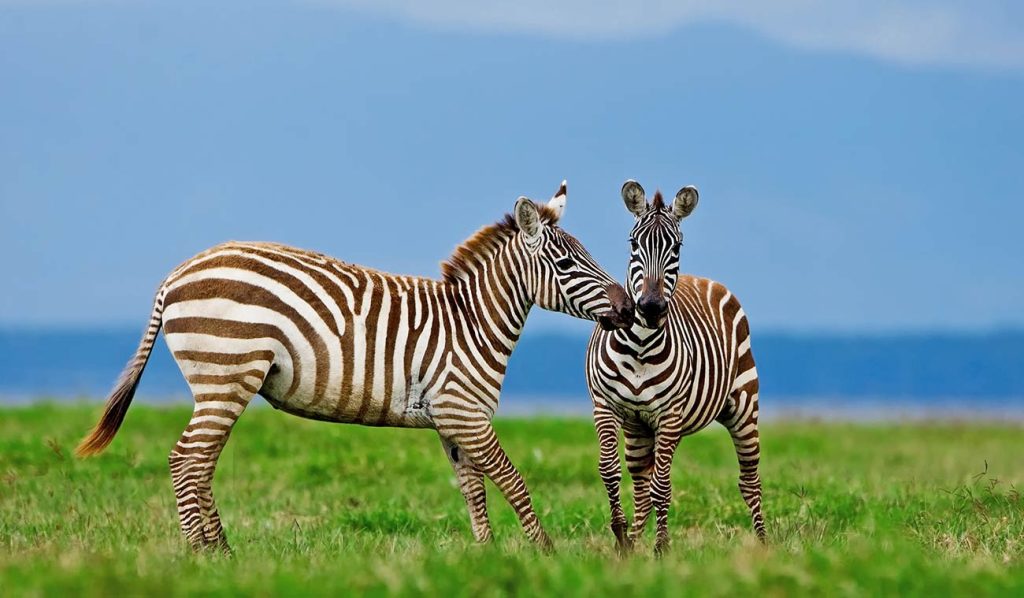
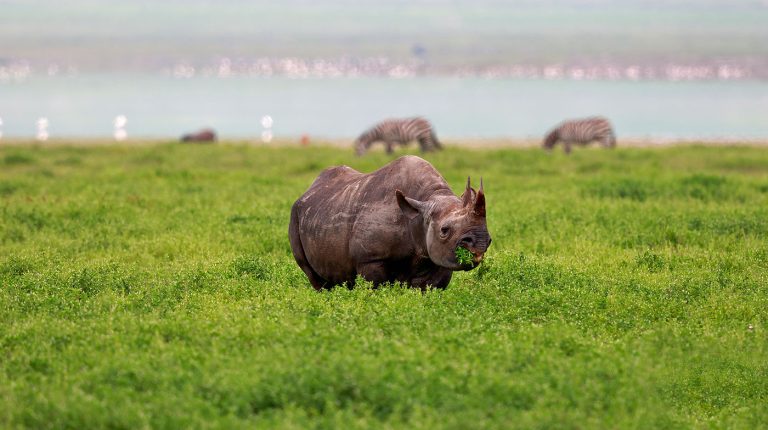
Exploring the wildlife and attractions of this East African gem offers a once-in-a-lifetime experience filled with breathtaking landscapes, diverse ecosystems, and unforgettable encounters with nature.
No results available
Dar es Salaam is hot and humid year-round, with days between 29°C and 33°C and nights rarely below 19°C. The sea breeze makes the coast considerably more comfortable than the inland suburbs, where the humidity sits heavily through the afternoon.
The long rains fall from March to May, with April bringing heavy downpours that cause serious street flooding in low-lying parts of the city and can make travel genuinely difficult. Short rains arrive in November and December as sharp afternoon storms.
Annual rainfall is around 1,100 millimetres. June to October is the driest and most pleasant period, with lower humidity, cooler nights and reliably clear days, and it is also when the sea is calmest for the ferry crossing to Zanzibar.
Humidity rather than heat is what visitors notice, sitting above seventy per cent for much of the year. Plan one or two things per day rather than a full itinerary, keep to shade through the middle of the day, and drink far more water than you think necessary.
Dar es Salaam is workable year-round, but the gap between the dry and wet seasons is wider than the temperature range alone suggests.
June to October is much the most comfortable time, with lower humidity, cooler nights and reliably dry days. It aligns with the best conditions for onward travel to Zanzibar and the southern parks, and with the calmest seas for the ferry crossing.
December to February is hot and humid but largely dry, and the city is at its liveliest over the festive period. Rates rise around Christmas and New Year, particularly at the beach hotels north and south of the centre.
April and May are worth avoiding if you have any choice. Rainfall peaks, low-lying streets flood, traffic becomes close to impossible and the humidity is draining.
November brings the short rains as brief afternoon storms that clear quickly, and is one of the better value months. Whatever the season, plan around the traffic rather than the weather, since two or three fixed commitments a day is a realistic maximum.
Olduvai fossils, Zanzibar history and the Shirazi coastal past.
Reconstructed dwellings from across Tanzania, with live music and dance.
The commercial engine of the city, vast, crowded and compelling.
Dhows landing the morning catch beside the harbour entrance.
A short boat ride to a marine reserve with sand and snorkelling.
Sunday crowds, grilled seafood and the city's social heart.
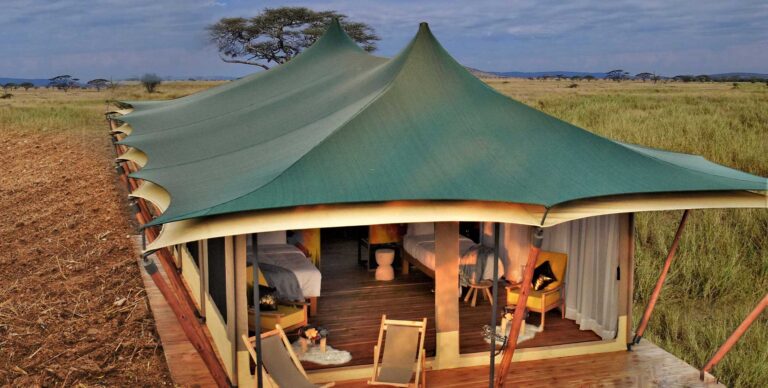
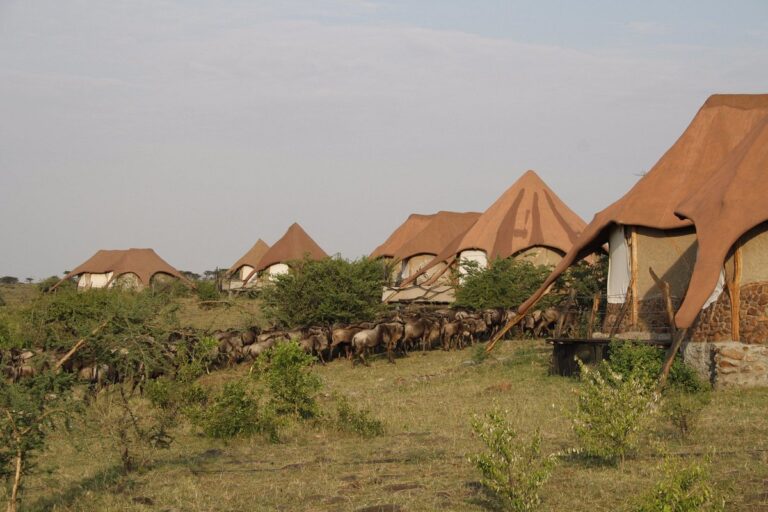
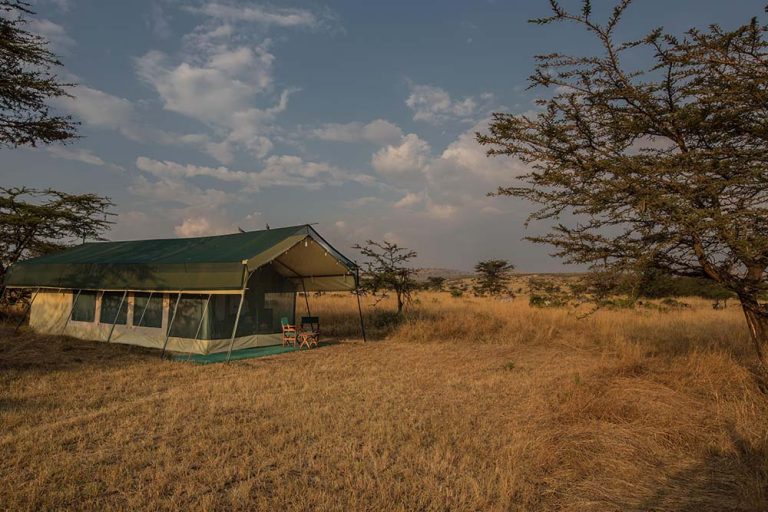
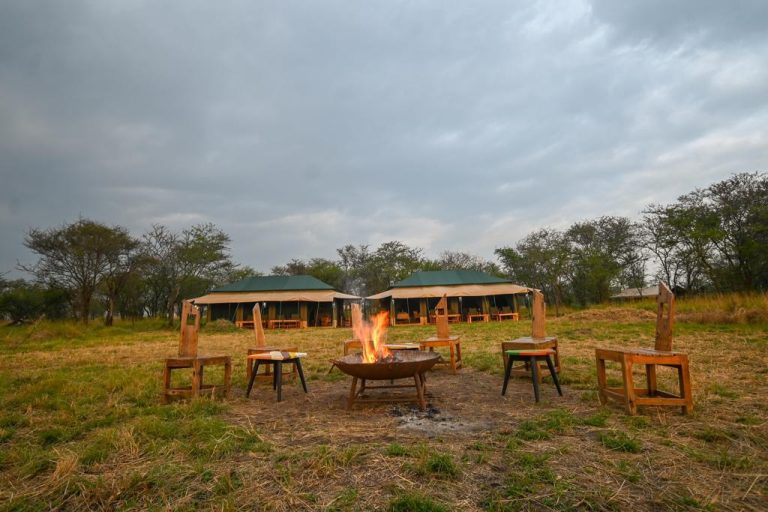
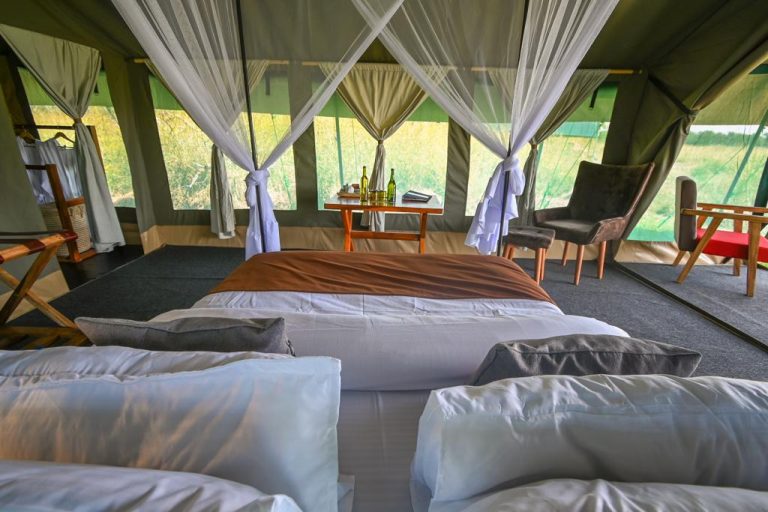
Explore a range of accommodation options designed to suit various preferences and budgets at this location. From comfortable lodges and tented camps to modern hotels, the area provides convenient access to nearby attractions and activities. Scroll through the carousel to find detailed listings of each property, including amenities and contact information, making it easy to plan your stay.
No results available
Explore Dar es Salaam with these recommended tours
No results available
It is primarily a gateway rather than a destination, and most visitors move straight through to Zanzibar or the southern parks. A day or two, though, covers the National Museum and the Village Museum, the Kivukoni fish market at dawn, and a boat to Bongoyo Island for snorkelling. The city rewards visitors who accept it as a working port rather than expecting a resort, and its restaurant scene is the strongest in Tanzania.
Fast ferries leave the harbour terminal several times daily and take around two hours to Stone Town, which is the most common route and easy to book in advance. Flights from Julius Nyerere International Airport take about twenty minutes and cost more but save half a day. Buy ferry tickets at the official terminal counters rather than from touts outside, and note that foreign visitors pay a higher published fare than residents.
It requires more care than elsewhere in Tanzania. Bag snatching from both pedestrians and vehicles is common in the centre and around Kariakoo, and phone theft is frequent. Keep car windows up in traffic, avoid walking after dark including on beaches, and use ride-hailing apps or hotel taxis. The Msasani peninsula and hotel districts are considerably more relaxed than the downtown grid. The Msasani peninsula has the best concentration of restaurants and hotels and is where most visitors end up basing themselves.
June to October is much the most comfortable period, with lower humidity, cooler nights and reliably dry weather, and it coincides with the best conditions for onward travel to Zanzibar and the southern circuit. December to February is hot and humid but largely dry. April and May bring the heaviest rain of the year, when streets flood readily and the humidity becomes genuinely draining. Ferry and flight schedules to Zanzibar shift with demand and weather, so confirm them the day before travelling.
Bad enough to shape any plan you make. Journeys of a few kilometres can take well over an hour at peak times, and the situation worsens considerably during the rains when low-lying roads flood. The bus rapid transit system along Morogoro Road is faster than driving for that corridor. Otherwise travel early, group your destinations geographically, and treat any stated journey time as optimistic. Julius Nyerere International Airport sits about twelve kilometres from the centre, with intercontinental and regional services.
The northern beaches around Kunduchi and Bahari, roughly 25 kilometres from the centre, have the main resort hotels. Coco Beach on the Msasani peninsula is the city’s social hub at weekends but is not really for swimming. For clearer water, take a boat to Bongoyo Island, a marine reserve about thirty minutes offshore with sand, snorkelling and grilled fish. South Beach across the Kigamboni bridge is quieter. Allow considerably more time than any distance suggests, as traffic is the defining constraint on a Dar es Salaam itinerary.
Yes, and the city is the natural gateway to them. Light aircraft serve Nyerere National Park in about forty-five minutes and Ruaha in around two hours, with daily scheduled departures. By road, Mikumi is four to five hours on surfaced highway, making it the only Tanzanian park realistically visitable as a day trip. Nyerere’s Mtemere gate is six to eight hours by 4×4. The Msasani peninsula has the best concentration of restaurants and hotels and is where most visitors end up basing themselves.
Seafood, principally, and the city does it exceptionally well given the harbour. Look for grilled prawns, octopus and whole fish at the beachfront restaurants. Street food is worth trying: mishkaki skewers, chipsi mayai, and urojo, a tangy soup from Zanzibar. The Indian restaurants around Upanga and the Msasani peninsula are among the best in East Africa, reflecting a community established here for generations. Ferry and flight schedules to Zanzibar shift with demand and weather, so confirm them the day before travelling.
Explore other optional accommodation to consider at