

Ngorongoro Crater Access
LODOARE GATE, 20 KM
The closest town of any size to the crater's main entrance.
Tanzania
55 sq km
24 'C
20mm
Karatu sits at around 1,500 metres between Lake Manyara and the Ngorongoro Conservation Area, the last town of any size before the crater gate.
It is coffee and wheat country, farmed largely by the Iraqw, and the surrounding highlands are green and cool in a way that surprises visitors arriving from the Rift Valley floor below. Fields of wheat and barley run up toward the forest edge.
Most travellers stay here rather than on the crater rim, where accommodation is scarcer and considerably more expensive. The town has grown around that role, with a good spread of lodges and farm stays on its outskirts, many set in working coffee estates.
Beyond its function as a base, Karatu offers coffee farm tours, Iraqw cultural visits, forest walks toward the Ngorongoro highlands and access to Lake Eyasi two hours south-west, where the Hadzabe still live as hunter-gatherers.
The Iraqw are a Cushitic-speaking people distinct from their Bantu and Nilotic neighbours, and have farmed the highlands around Karatu for centuries, terracing the slopes and keeping cattle in enclosed homesteads built partly below ground level.
Their language, Iraqw, belongs to the Afroasiatic family and is quite unrelated to Swahili or Maa, making this pocket of northern Tanzania linguistically unusual. Cultural visits explain the farming system, the architecture and the social structure that goes with them.
The Datoga, pastoralists known for skilled blacksmithing, live nearby and produce metal ornaments and arrowheads, some of which are traded to the Hadzabe around Lake Eyasi. Visits to Datoga homesteads are commonly combined with a Hadzabe morning.
The Hadzabe themselves, around Lake Eyasi two hours south-west, are among the last hunter-gatherer peoples in Africa, speaking a click language unrelated to any other. Visits are ethically complicated and best arranged through operators who work with the community consistently rather than on a one-off basis.
By Road
Karatu lies about 140 kilometres west of Arusha, some three hours by road, and roughly 20 kilometres from the Lodoare gate into the Ngorongoro Conservation Area.
By Air
Light aircraft serve the Lake Manyara airstrip about 45 minutes away, with connections from Arusha, the Serengeti and Zanzibar.
Exploring the wildlife and attractions of this East African gem offers a once-in-a-lifetime experience filled with breathtaking landscapes, diverse ecosystems, and unforgettable encounters with nature.
No results available
At 1,500 metres Karatu is cool, with days between 23°C and 28°C and nights that fall to 12°C to 15°C. Evenings require a fleece for much of the year, and June and July mornings are genuinely cold by Tanzanian standards.
The long rains fall March to May, with April the wettest at around 230 millimetres, and short rains fall through November. Annual rainfall is around 900 millimetres, considerably more than the valley floor below, which makes these highlands productive wheat and coffee country.
June to October is dry and clear, though mornings can be sharp. The road up to the Lodoare gate is steep and busy with safari traffic, and fog is common on the higher stretches early in the day.
The altitude has a second effect worth knowing: visitors arriving from the coast sometimes sleep poorly on the first night. It usually settles within a day, and Karatu makes useful acclimatisation before the higher crater rim.
Accommodation here rarely has heating, so a warm layer for the evening is worth packing whatever the month.
Karatu works year-round as a base, and its mild highland climate means no season is genuinely uncomfortable.
June to October is dry, clear and cold at night, matching the peak northern circuit months. The town is at its busiest, lodges fill and rates are highest, so book well ahead if your crater dates are fixed.
December to March is green, and coincides with wildebeest calving on the Ndutu plains a few hours away, which many consider the finest time to be in the wider Ngorongoro area. Visitor numbers are lower than mid-year.
April and May bring heavy rain and the lowest rates of the year. The road to the crater gate stays passable throughout, being surfaced for most of its length, so a wet-season stay here is far less compromised than elsewhere on the circuit.
Whichever month you choose, a full day in Karatu itself is worth building in rather than treating the town purely as a bed before the crater. It acclimatises you to the altitude, and gives access to coffee farms, forest walks and Lake Eyasi that most itineraries skip over entirely.
Karatu is a quiet, safe town with a strong tourism economy, and the usual small-town precautions are enough. Take a taxi after dark and keep valuables secured in your lodge.
The road between Karatu and the crater gate is steep and busy with safari traffic, and fog is common in the early morning on the higher stretches. If self-driving, allow more time than the distance suggests.
The closest town of any size to the crater's main entrance.
Arabica estates on volcanic soil, from picking through to cupping.
Terraced farming and cattle keeping with a Cushitic-speaking people.
Join one of Africa's last hunter-gatherer peoples on a morning hunt.
A forest walk through the Ngorongoro highlands to elephant salt licks.
A busy highland market, at its best on the monthly market day.
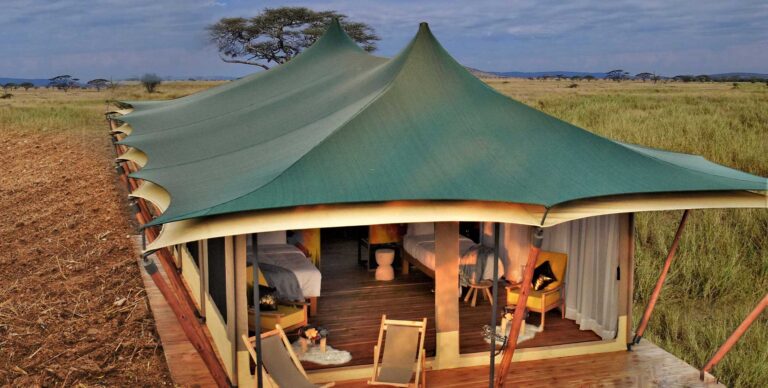
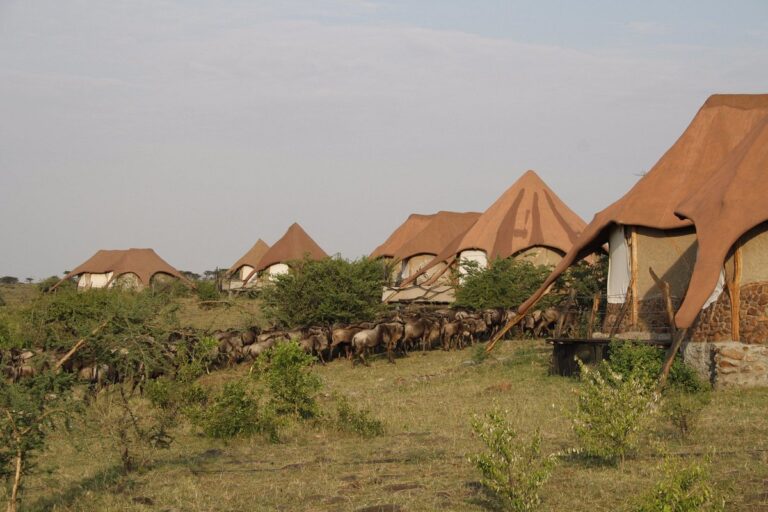
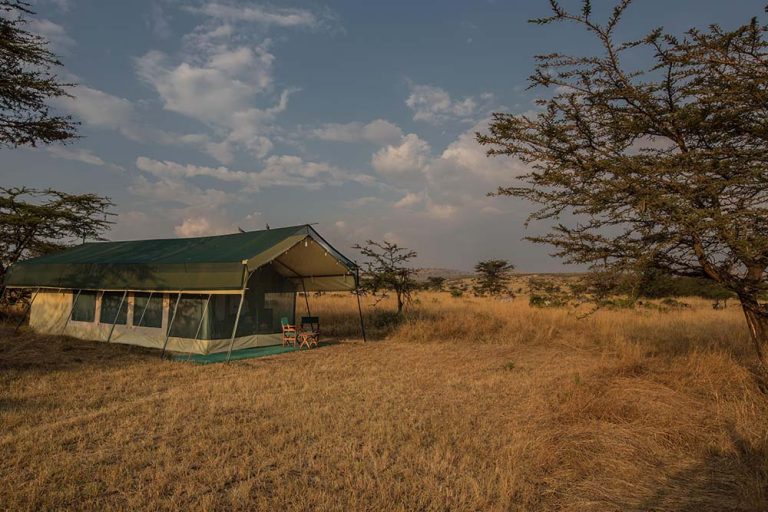
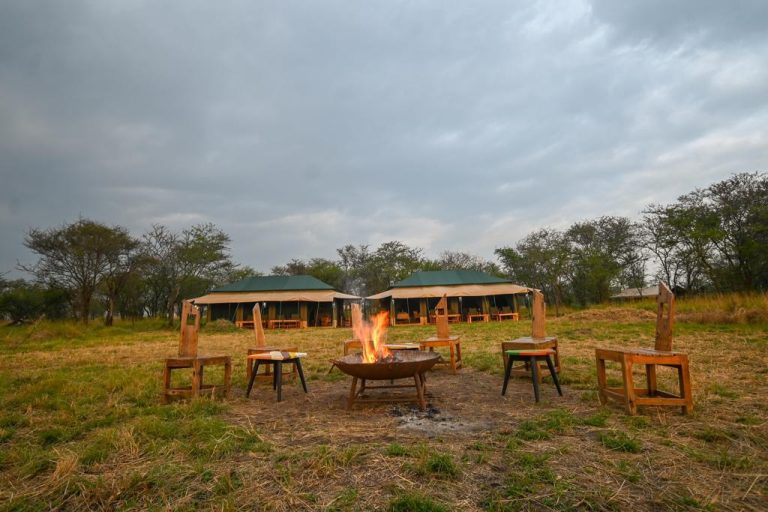
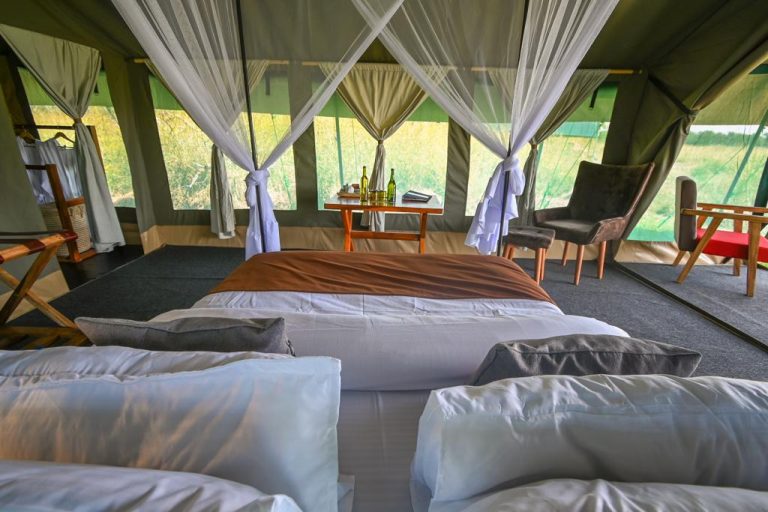
Explore a range of accommodation options designed to suit various preferences and budgets at this location. From comfortable lodges and tented camps to modern hotels, the area provides convenient access to nearby attractions and activities. Scroll through the carousel to find detailed listings of each property, including amenities and contact information, making it easy to plan your stay.
No results available
Explore Karatu with these recommended tours
No results available
Rim accommodation is limited, expensive and books out far ahead, while Karatu sits about twenty kilometres from the Lodoare gate with a much wider spread of lodges, farm stays and guesthouses at considerably lower rates. The trade-off is an early start, since you want to be descending into the crater soon after dawn. Many Karatu lodges sit on coffee farms with gardens and long views, a pleasant contrast to the rim’s mist.
More than the town’s role as a staging post suggests. Coffee farm tours run on the volcanic slopes around town, Iraqw cultural visits take in terraced highland farming, and the Endoro trail walks through Ngorongoro forest to elephant salt licks. Lake Eyasi, about two hours south-west, offers the chance to join the Hadzabe, one of Africa’s last hunter-gatherer peoples, on a morning hunt. Karatu also has reliable mobile coverage and ATMs, both of which become scarce once you pass through the Lodoare gate.
Colder than most visitors expect for Tanzania. At around 1,500 metres, days sit between 23°C and 28°C but nights fall to 12°C to 15°C, and the crater rim above is colder still. A fleece and a warm jacket are genuinely necessary for evenings and early morning game drives, particularly between June and August. Chest complaints are common among visitors who packed only for the tropics.
About 140 kilometres, or roughly three hours by road on good tarmac through Mto wa Mbu and past Lake Manyara. It is the last town of any size before the Ngorongoro Conservation Area, so it is also the sensible place to buy anything forgotten, draw cash or fill a tank before heading into the parks, where facilities are minimal and mobile coverage becomes patchy. A night here acclimatises you to the altitude before the colder crater rim, which is worth more than most itineraries allow for.
It can be genuinely remarkable, joining a hunting party at dawn and seeing skills that have been practised for millennia, but it is also ethically complicated. Some operations are extractive and staged. Choose an operator with a long-standing relationship with a specific community, ask how fees are shared, and go early when a real hunt is happening rather than mid-morning when the day is performed for arrivals. Many lodges are working coffee farms, so a tour is often simply a walk out of your room.
Karatu’s volcanic soils and altitude suit arabica, and several estates around the town offer tours running from the plantation through picking, pulping, drying and roasting to a cup at the end. They typically take two to three hours and work well as an afternoon after a morning in the crater. Some lodges are themselves working farms, so the tour is simply a walk out of your room. Karatu also has reliable mobile coverage and ATMs, both of which become scarce once you pass through the Lodoare gate.
It climbs from near Karatu into the Ngorongoro highland forest, following a stream through dense montane vegetation to a waterfall and on to elephant caves where the animals come to dig for salt. The full walk takes four to five hours return and requires a ranger, arranged through the conservation authority. It is one of the few opportunities to walk in the Ngorongoro area rather than drive. A night here acclimatises you to the altitude before the colder crater rim, which is worth more than most itineraries allow for.
In the peak months of June to October, yes, and well ahead. Karatu absorbs most of the demand for the Ngorongoro Crater, so its lodges fill in step with crater visitor numbers. Outside those months availability is usually easier and rates fall noticeably. If your itinerary has fixed crater dates, book Karatu at the same time rather than assuming rooms will be found later. Many lodges are working coffee farms, so a tour is often simply a walk out of your room.
Explore other optional accommodation to consider at