

Hadzabe Morning Hunt
HADZABE CAMPS
Join one of Africa's last hunter-gatherer peoples at first light.
Tanzania
1,050 sq km
33 'C
10mm
Lake Eyasi is a shallow soda lake at the foot of the Ngorongoro highlands in northern Tanzania, running along the base of the Eyasi escarpment in hot, dry country south-west of Karatu.
Its significance is cultural rather than scenic. The Hadzabe, who live around the lake, are among the last hunter-gatherer peoples in Africa, speaking a click language unrelated to any other and continuing to hunt with bow and arrow and to forage as their ancestors did.
The Datoga, pastoralists and skilled blacksmiths, live nearby and trade metal arrowheads to the Hadzabe, a relationship that has persisted for generations and which visitors commonly see on the same morning.
The lake itself is shallow and fluctuates dramatically, drying to a salt pan in some years and flooding widely in others, drawing flamingo and pelican when it holds water.
The Hadzabe number only around a thousand people and are one of the last groups in Africa still living substantially by hunting and gathering. Their language uses click consonants and has no established relationship to any other language family.
Visits typically involve joining a hunting party at dawn, and done well they are extraordinary. Done badly they are extractive and staged, so the choice of operator matters more here than almost anywhere else in Tanzania.
The Datoga, Nilotic-speaking pastoralists, are known for brass ornamentation and for blacksmithing, forging arrowheads and knives from scrap metal in open hearths, and their homesteads are usually visited alongside the Hadzabe.
Both communities face severe pressure from land loss, agricultural encroachment and tourism itself. Choosing operators with long-standing relationships and transparent fee-sharing is the single most important decision a visitor makes here.
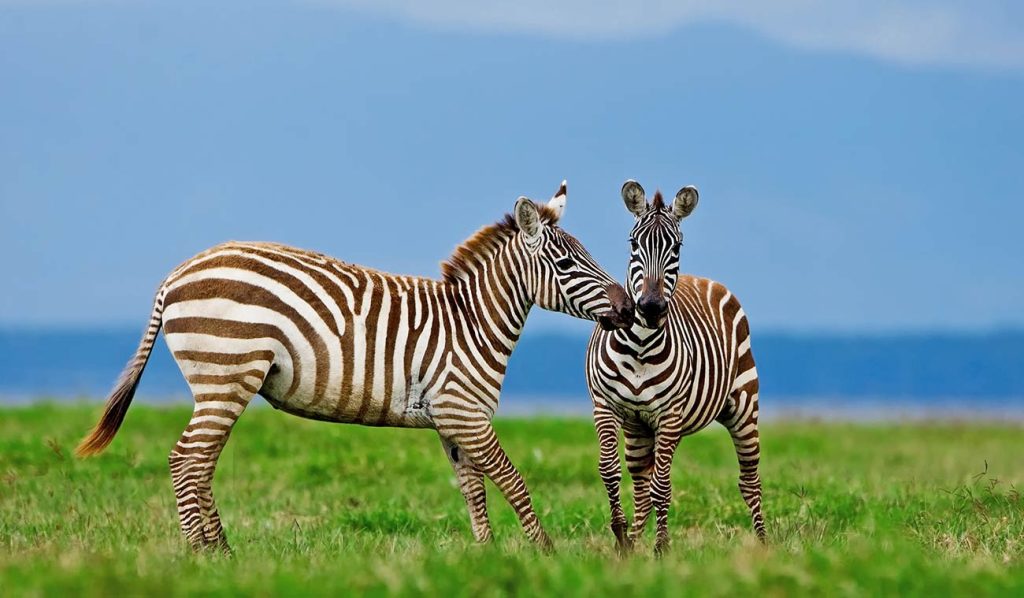
Exploring the wildlife and attractions of this East African gem offers a once-in-a-lifetime experience filled with breathtaking landscapes, diverse ecosystems, and unforgettable encounters with nature.
No results available
Lake Eyasi lies at around 1,050 metres in hot, dry country at the foot of the Ngorongoro highlands. Days regularly reach 30°C to 35°C and nights fall to 18°C to 22°C, making it considerably hotter than Karatu two hours away.
Rainfall is low and unreliable at roughly 400 to 600 millimetres a year, falling mainly between November and April. The escarpment above catches far more, and it is runoff from the highlands rather than local rain that feeds the lake.
The lake’s extent varies enormously between years. In wet cycles it spreads widely and draws flamingo and pelican; in dry ones it reduces to a cracked salt pan with no standing water at all.
Heat governs the day. Hadzabe visits start before dawn because that is when hunting happens and because the middle of the day is fierce, with very little shade in the surrounding acacia scrub.
The escarpment above catches far more rain than the basin, and it is runoff from the Ngorongoro highlands rather than local rainfall that sustains the lake at all.
Eyasi is visited for its people rather than its wildlife, so the calendar is about access and heat rather than game concentrations.
June to October is the dry season and the most straightforward time to visit, with firm roads from Karatu and reliable access to the Hadzabe camps. It is also when the lake is at its most reduced.
December to February is hot and largely dry, and works well, with fewer visitors than the mid-year peak passing through from the Ngorongoro circuit.
March to May brings the long rains, when the road down from Karatu can become difficult and the lake rises, sometimes drawing substantial flamingo flocks.
Whatever the month, start before dawn. Hadzabe hunting happens in the first hours of light, and arriving mid-morning means seeing a demonstration rather than the real thing, which is the difference between a worthwhile visit and a staged one.
Whatever the month, start before dawn. Hadzabe hunting happens in the first hours of light, and arriving mid-morning means seeing a demonstration rather than the real thing, which is the whole difference between a worthwhile visit and a staged one.
Join one of Africa's last hunter-gatherer peoples at first light.
Arrowheads and knives forged from scrap metal in open hearths.
A shallow fluctuating lake drawing flamingo when it holds water.
The Ngorongoro highlands rising steeply above the lake basin.
Irrigated smallholdings along the lake's fertile southern shore.
Flamingo, pelican and dry-country species when water levels allow.
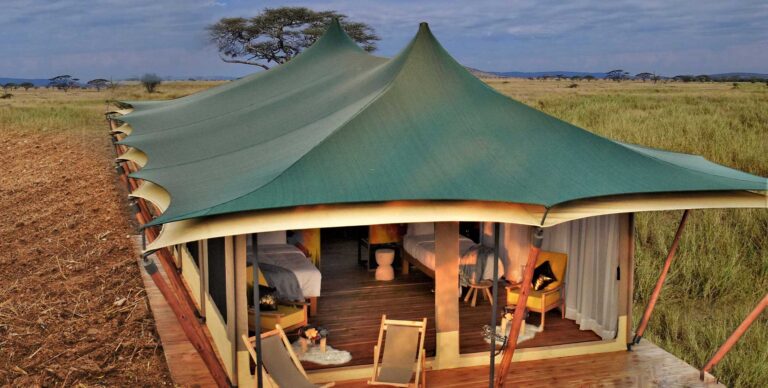
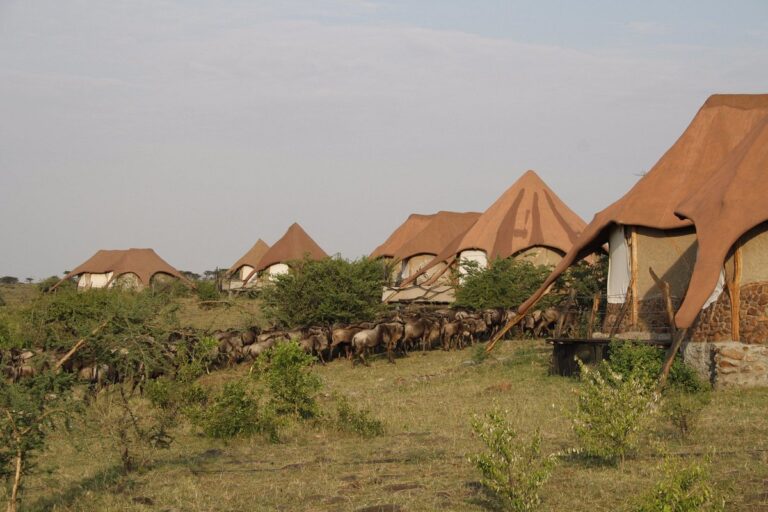
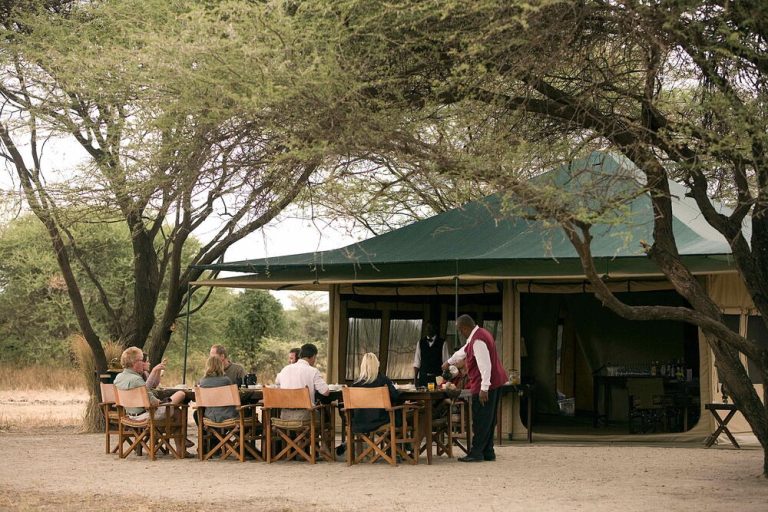
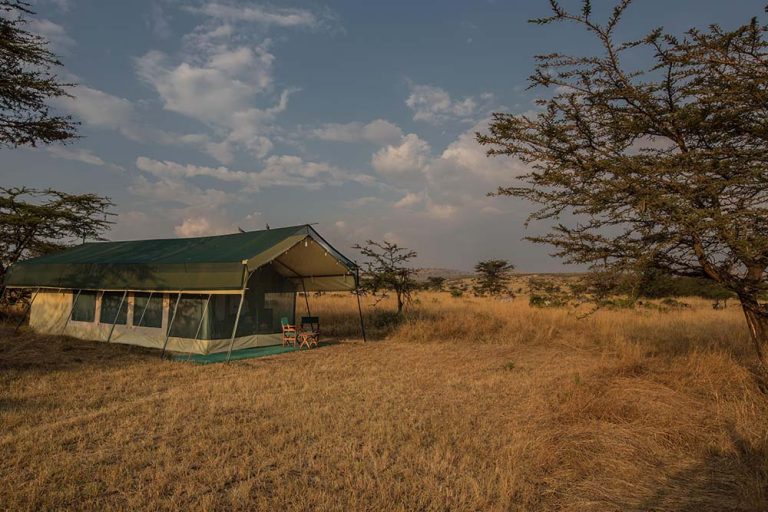
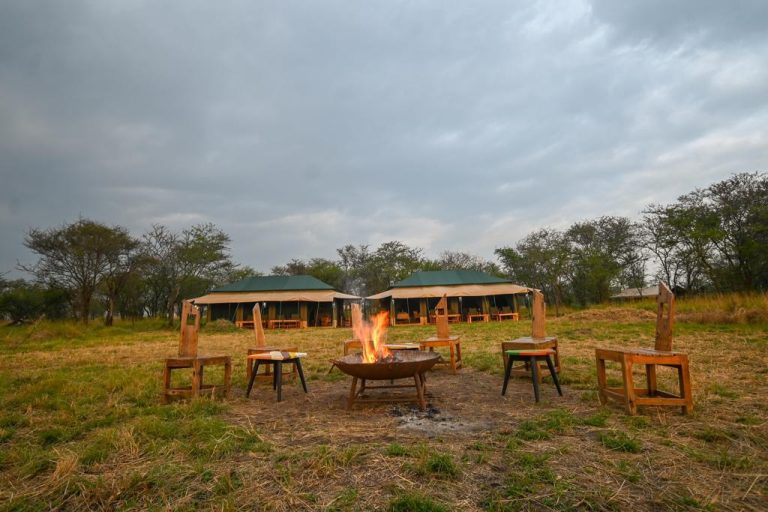
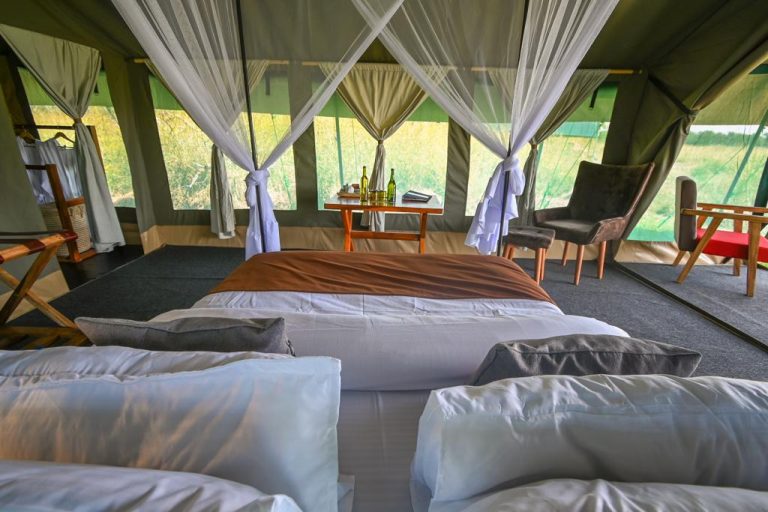
Explore a range of accommodation options designed to suit various preferences and budgets at this location. From comfortable lodges and tented camps to modern hotels, the area provides convenient access to nearby attractions and activities. Scroll through the carousel to find detailed listings of each property, including amenities and contact information, making it easy to plan your stay.
No results available
Explore Lake Eyasi with these recommended tours
No results available
They are one of the last hunter-gatherer peoples in Africa, numbering around a thousand and living around Lake Eyasi. They speak a click language with no established relationship to any other language family, hunt with bow and arrow, and forage for tubers, berries and honey. Genetic studies suggest they represent one of the oldest continuous human lineages, which is part of what makes a visit so remarkable. Choose an operator with a long-standing relationship with a specific community rather than booking on the day.
It can be, and it can also be exploitative, which is why the choice of operator matters more here than almost anywhere. Look for operators with long-standing relationships with a specific community, ask directly how fees are shared, and go before dawn when a genuine hunt is happening. Mid-morning arrivals typically get a performance staged for visitors rather than anything real. Most visitors come as a half-day trip from Karatu, leaving around four in the morning to arrive before light.
Before dawn, without qualification. Hadzabe hunting takes place in the first hours of light, and joining a party as they set out is a completely different experience from arriving at nine to watch a demonstration. It means leaving Karatu around four in the morning, which is demanding but is the entire difference between a worthwhile visit and a staged one. The lake fluctuates enormously between years, so its appearance varies far more than most visitors expect.
Most visitors come from Karatu, about 60 kilometres and two hours by road on rough tracks that require a 4×4, often as a day trip from a Ngorongoro-circuit lodge. The road descends steeply off the escarpment into much hotter country. Some itineraries visit en route between Ngorongoro and the Serengeti’s southern plains, though this adds a substantial detour. Choose an operator with a long-standing relationship with a specific community rather than booking on the day.
They are Nilotic-speaking pastoralists living around Lake Eyasi, distinct from both the Hadzabe and the Maasai, and are known across the region for metalworking. Their blacksmiths forge arrowheads, knives and ornaments from scrap metal in open hearths, and trade arrowheads to the Hadzabe. Visits to Datoga homesteads are usually combined with a Hadzabe morning and add useful contrast. Most visitors come as a half-day trip from Karatu, leaving around four in the morning to arrive before light.
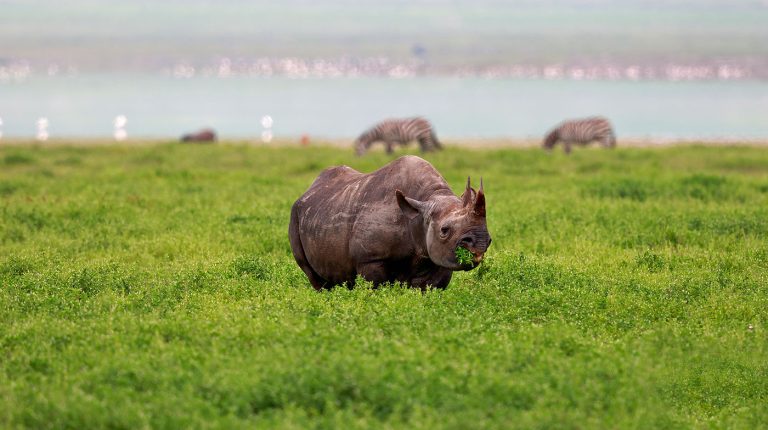
Very little in conventional terms. This is dry acacia scrub with limited large game, and the area is not a safari destination. When the lake holds water it draws flamingo and pelican, sometimes in numbers, and dry-country birds are present year-round. Come for the Hadzabe and the Datoga, and treat any wildlife as incidental rather than a reason to visit. The lake fluctuates enormously between years, so its appearance varies far more than most visitors expect.
A Hadzabe and Datoga morning takes around four to five hours including travel from Karatu, so most visitors treat it as a half day and return the same afternoon. Staying overnight at one of the camps near the lake allows a more relaxed pace and an earlier start, which materially improves the experience, and adds time for the lakeshore and the escarpment. Choose an operator with a long-standing relationship with a specific community rather than booking on the day.
June to October is the dry season and the most straightforward, with firm roads from Karatu and reliable access to the camps. December to February is hot and largely dry and works well, with fewer visitors. March to May brings the long rains, when the descent road can become difficult, though the lake rises and sometimes draws substantial flamingo flocks. Most visitors come as a half-day trip from Karatu, leaving around four in the morning to arrive before light.
Explore other optional accommodation to consider at