

Lesser Flamingo Breeding
SALT FLATS
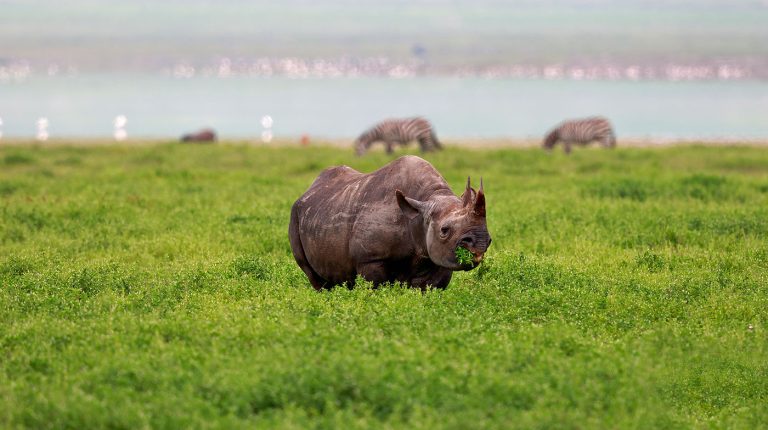
The world's most important breeding site, with over a million birds.
Tanzania
1,040 sq km
34 'C
5mm
Lake Natron is a shallow soda lake in northern Tanzania, close to the Kenyan border beneath the volcano of Ol Doinyo Lengai, and one of the most extreme environments in East Africa.
Its water is intensely alkaline, at times approaching pH 10.5, and temperatures at the surface can reach 60°C. Almost nothing survives in it, yet it supports the single most important breeding site in the world for lesser flamingo, with well over a million birds nesting on its salt flats.
The alkalinity is what makes the breeding possible: predators cannot reach the nesting islands across the caustic water, so the colonies are effectively unassailable.
The surrounding landscape is starkly beautiful, a red and ochre country of volcanic ash and escarpment. Ol Doinyo Lengai, the only active carbonatite volcano on earth, rises directly to the south and can be climbed overnight.
The Maasai live throughout this area and call Ol Doinyo Lengai the Mountain of God, regarding it as the dwelling place of Engai. It remains an important site in Maasai religious life, and pilgrimages are made to it.
This is among the harshest inhabited landscapes in Tanzania, and Maasai here graze cattle across country that receives very little rain, moving seasonally in search of grazing and water in ways that have become harder as conditions change.
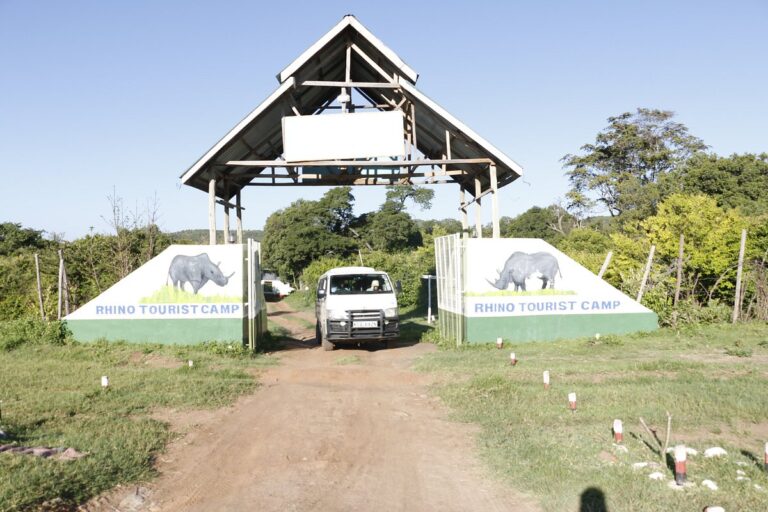
Community-run campsites and guiding around Engare Sero village provide much of the local income from tourism, and visits to waterfalls and hominin footprint sites are arranged through them.
The Engare Sero footprints, discovered nearby, preserve the tracks of over a dozen people who walked across volcanic ash between 5,000 and 19,000 years ago, and are among the most significant such finds in Africa.
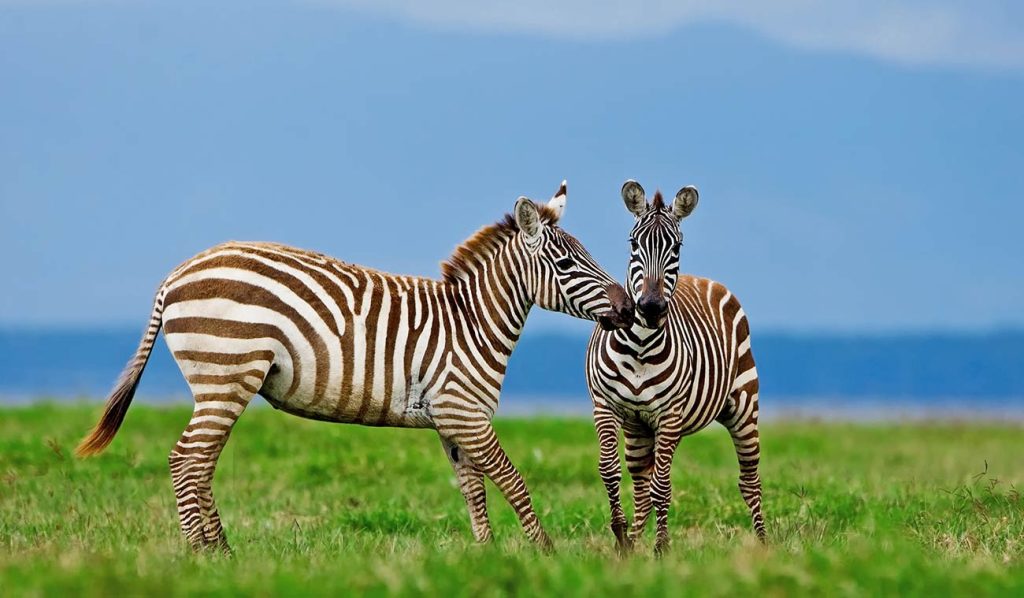
Exploring the wildlife and attractions of this East African gem offers a once-in-a-lifetime experience filled with breathtaking landscapes, diverse ecosystems, and unforgettable encounters with nature.
No results available
Lake Natron sits at around 600 metres in the Rift Valley floor and is one of the hottest places in Tanzania. Days regularly exceed 34°C and can reach 40°C, while nights fall to 18°C to 22°C.
Rainfall is very low at around 300 to 500 millimetres a year and highly unreliable, falling mainly between November and April. The lake is fed largely by the Ewaso Ng’iro river and by hot springs rather than by rain on its own basin.
Evaporation is extreme, and the lake’s extent varies dramatically. In the dry season it shrinks to shallow brine flats crusted with salt, and the water that remains can reach 60°C at the surface.
Heat is the defining practical consideration. Walking to the waterfalls or climbing Ol Doinyo Lengai is done at night or in the very early morning, and carrying considerably more water than seems necessary is genuinely important.
Shade is almost non-existent around the lake, and the volcanic ground reflects heat back through the day, which makes conditions considerably harder than the air temperature alone would suggest to anyone reading a forecast.
Natron is a harsh environment year-round, and the calendar is driven by heat, road access and flamingo breeding.
June to October is the dry season and the most reliable window for access, with firm roads and clearer conditions, though it is also when heat is at its most punishing during the day and the lake at its most reduced.
November to April brings what rain there is, greening the surrounding country briefly and raising the lake. The road in from Mto wa Mbu can become difficult, and flash floods across the dry riverbeds are a genuine hazard.
Flamingo breeding follows water levels rather than a fixed calendar, so ask locally rather than planning a trip around it.
Whatever the month, plan physical activity for dawn or after dark. The middle of the day here is genuinely dangerous to underestimate, and shade is scarce.
Whatever the month, plan physical activity for dawn or after dark. The middle of the day is dangerous to underestimate, and neither the waterfall walk nor the Lengai ascent should be attempted in full sun.
The world's most important breeding site, with over a million birds.
The only active carbonatite volcano on earth, climbed overnight.
A walk up a narrow gorge to falls and pools, done early.
Human tracks preserved in volcanic ash, thousands of years old.
Red and ochre volcanic country beneath the Rift Valley wall.
Herding in one of the harshest inhabited landscapes in Tanzania.
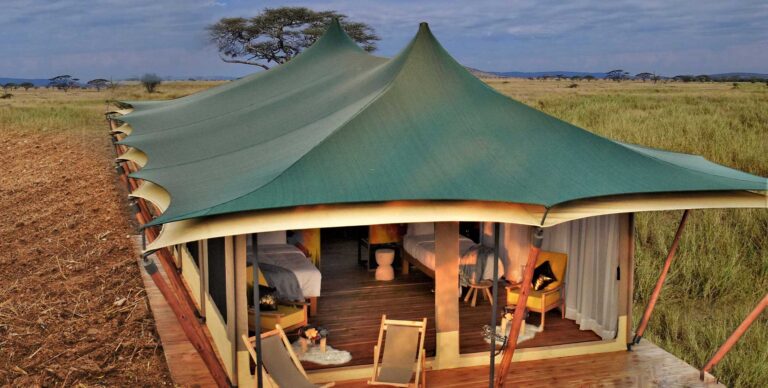
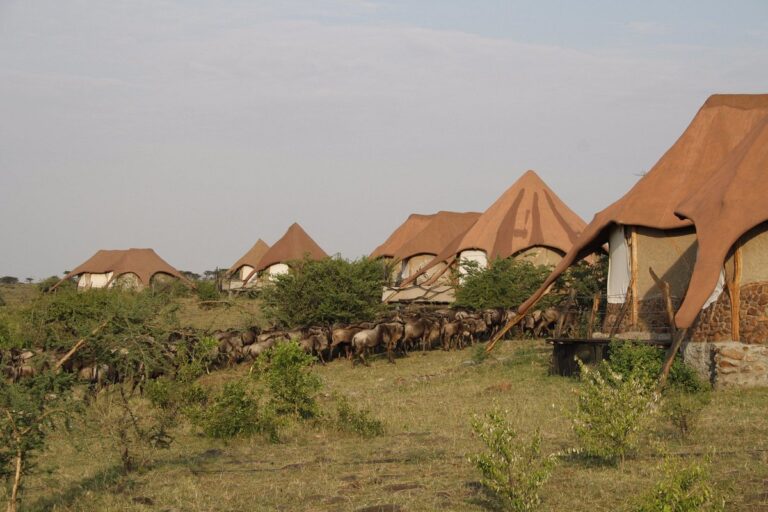
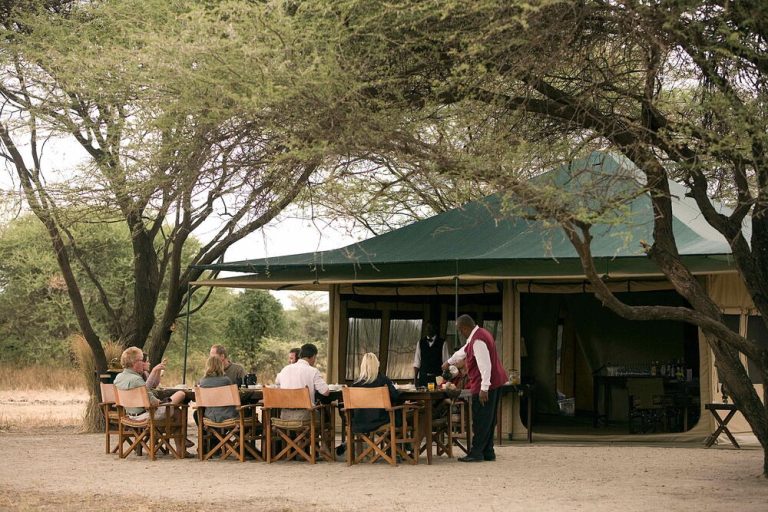
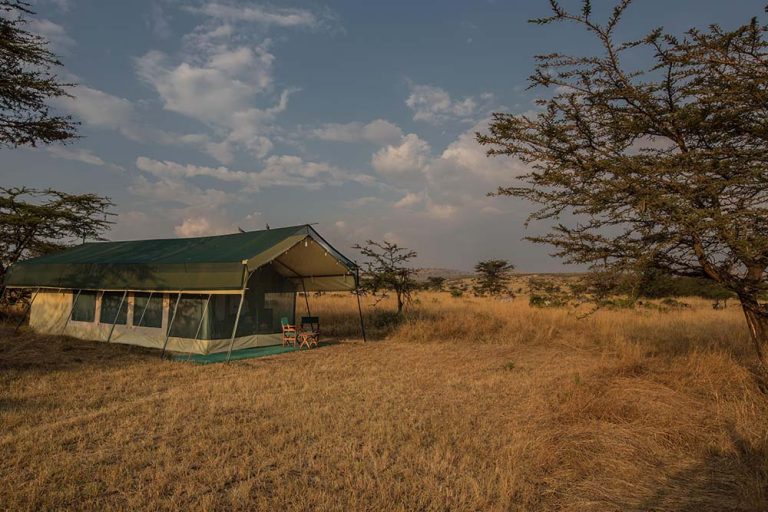
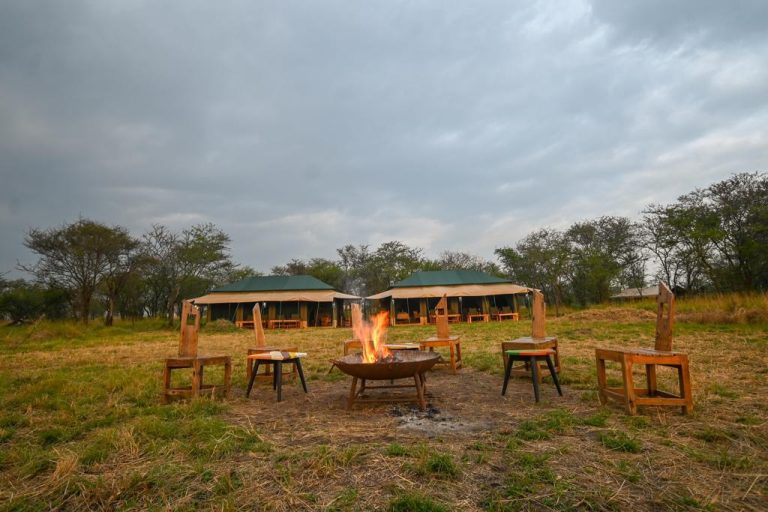
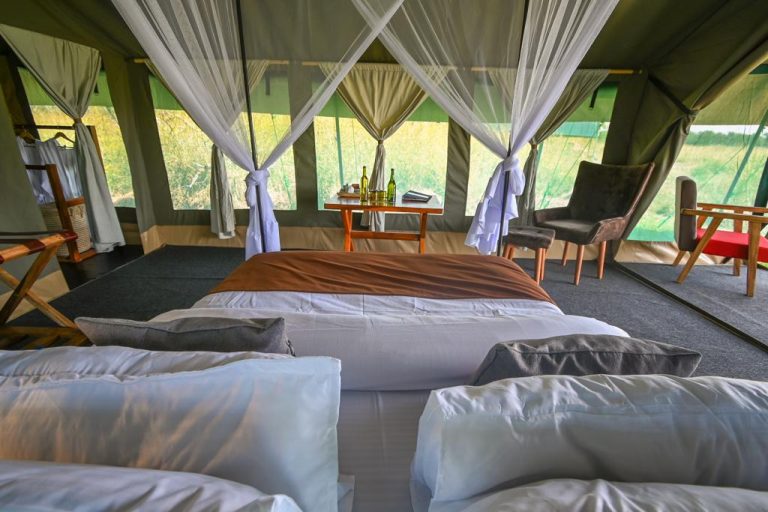
Explore a range of accommodation options designed to suit various preferences and budgets at this location. From comfortable lodges and tented camps to modern hotels, the area provides convenient access to nearby attractions and activities. Scroll through the carousel to find detailed listings of each property, including amenities and contact information, making it easy to plan your stay.
No results available
Explore Lake Natron with these recommended tours
No results available
It is the single most important breeding site in the world for lesser flamingo, supporting well over a million birds. The reason is its extreme alkalinity, which at times approaches pH 10.5 and makes the water caustic. Predators cannot cross it to reach the nesting islands on the salt flats, so the colonies are effectively unassailable, which is why the species concentrates here to breed. Everything physical here is done at dawn or overnight, because the middle of the day is genuinely punishing.
No, and it would be genuinely dangerous to try. The water is intensely alkaline, at times approaching pH 10.5, and surface temperatures can reach 60°C in the dry season. It causes chemical burns to skin and eyes. The hot springs and the freshwater pools at the Engare Sero waterfalls are where people swim instead, and those are perfectly safe and pleasant. Access is by 4×4 only, and the approach crosses dry riverbeds that can flood without warning during the rains.
It is the only active carbonatite volcano on earth, erupting a rare natrocarbonatite lava that is cooler and more fluid than ordinary lava and appears black rather than red in daylight. The Maasai call it the Mountain of God. It can be climbed overnight, starting around midnight to reach the summit at dawn, and the ascent is steep, loose and considerably harder than its 2,962 metres suggests. Community guides from Engare Sero village arrange the waterfall walks and the footprint site visits.
Extremely. Lake Natron sits at around 600 metres on the Rift Valley floor and daytime temperatures regularly exceed 34°C, reaching 40°C in the hottest months, with very little shade anywhere. Any walking, including the waterfall hike and the Lengai climb, is done at dawn or overnight for this reason. Carry far more water than you think you need. Everything physical here is done at dawn or overnight, because the middle of the day is genuinely punishing.
The usual route is from Mto wa Mbu near Lake Manyara, around 110 kilometres of rough road taking three to four hours in a 4×4, which is essential. The road crosses several dry riverbeds that can flood without warning during the rains. It is also possible to reach Natron from the Serengeti’s eastern side, and some itineraries link the two. Access is by 4×4 only, and the approach crosses dry riverbeds that can flood without warning during the rains.
June to October is the dry season and the most reliable for road access, though the heat is at its most punishing. November to April brings what rain there is, greening the country briefly but making the approach road difficult and flash floods a real hazard. Flamingo breeding follows water levels rather than a fixed calendar, so ask locally rather than planning around it. Community guides from Engare Sero village arrange the waterfall walks and the footprint site visits.
They are a set of preserved human footprints in volcanic ash near the lake’s southern shore, made by more than a dozen individuals walking across the surface somewhere between 5,000 and 19,000 years ago. They are among the most significant finds of their kind in Africa and are visited with a local guide from Engare Sero village, which also arranges the waterfall walks. Everything physical here is done at dawn or overnight, because the middle of the day is genuinely punishing.
For travellers drawn to extreme landscapes, very much so. It is stark, hot and genuinely unlike anywhere else on the northern circuit, and the combination of flamingo colonies, an active volcano and preserved hominin footprints is remarkable. It is not a conventional safari destination and holds little large game, so come for the landscape rather than expecting game drives. Access is by 4×4 only, and the approach crosses dry riverbeds that can flood without warning during the rains.
Explore other optional accommodation to consider at