

Cultural Tourism Walk
MTO WA MBU VILLAGE
Banana groves, rice paddies and 120 ethnic groups in one village.
Tanzania
25 sq km
28 'C
25mm
Mto wa Mbu sits at the foot of the Great Rift Valley escarpment at the entrance to Lake Manyara National Park, and is one of the most unusual villages in Tanzania.
Over 120 ethnic groups live here, drawn from every corner of the country by irrigated farmland fed with water running off the escarpment. It is often described as the only place where all of Tanzania’s major language families are spoken within a single settlement.
The name means River of Mosquitoes, which undersells it considerably. The same water that gives the village its name makes this stretch of dry valley floor extraordinarily productive, supporting rice paddies, banana groves and market gardens in country that would otherwise be scrub.
Cultural tourism here is well organised and long established, taking in irrigated smallholdings, craft workshops, banana beer brewing and a market carrying produce from every region of Tanzania. Every northern circuit itinerary passes through, and many stop.
The village’s diversity is its defining feature. Chagga, Maasai, Rangi, Iraqw, Sandawe, Makonde and many others farm side by side, having arrived over generations drawn by the irrigation potential, and the market reflects every one of them.
The cultural tourism programme is among the oldest in Tanzania, established in the 1990s, and channels fees directly into local schools and clinics rather than through intermediaries. Walks are led by guides from the village itself.
Makonde artisans from the far south of the country run woodcarving workshops here, producing ebony pieces in a tradition quite distinct from the crafts of the northern peoples. Banana beer, known as mbege, is brewed in homesteads and is a genuine part of daily social life rather than a demonstration.
The Maasai graze cattle on the plains beyond the village and trade in the market, and the Iraqw farm the higher ground of the escarpment above. Both relationships predate the village’s growth into the settlement it is today.

By Road
Mto wa Mbu lies about 120 kilometres west of Arusha, roughly two hours on good tarmac, directly at the Lake Manyara park gate. Every northern circuit itinerary passes through it on the way to Ngorongoro and the Serengeti.
By Air
Light aircraft serve the Lake Manyara airstrip a short distance away, with connections from Arusha, the Serengeti and Zanzibar.
Exploring the wildlife and attractions of this East African gem offers a once-in-a-lifetime experience filled with breathtaking landscapes, diverse ecosystems, and unforgettable encounters with nature.
No results available
At around 1,000 metres on the Rift Valley floor, Mto wa Mbu is warm, with days between 26°C and 30°C and nights around 15°C to 18°C. It is noticeably hotter than Karatu on the escarpment above, and cooler than the plains further east.
Rain falls in two seasons. The long rains run March to May, with April the wettest at around 230 millimetres, and short rains fall through November. Annual rainfall is roughly 700 millimetres on the valley floor, though the escarpment catches considerably more.
That difference matters, because the village’s irrigation depends on water running off the higher ground rather than rain falling locally. The furrows flow year-round, which is why the farmland stays productive when the surrounding country is bare.
June to October is dry, clear and the most comfortable period for walking the village and its farmland. Use repellent at dusk in any season: the village’s name is a fair warning, and malaria is present at this altitude.
Shade is limited along the main road through the village, so a hat and water are worth carrying on any walk.
Mto wa Mbu is visited year-round because it sits directly on the northern circuit route, so the question is what the surrounding area is doing rather than the village itself.
June to October is dry and comfortable, and coincides with peak safari season when the village is at its busiest. Craft sellers along the main road are correspondingly more persistent, and cultural walks book out in the middle of the day.
December to February is warm and largely dry, with fewer vehicles passing through and a more relaxed feel. This is a good window for walking the farmland without the mid-season crowds.
March to May brings the heaviest rain, when the irrigated farmland is at its greenest and visitor numbers fall away sharply. Paths through the paddies become muddy, but the cultural programme runs regardless.
Arrive in the morning, when the market is at its most active.
For a stop of two or three hours any month works. Book cultural walks through the official tourism office rather than with people offering along the roadside, so that the fees reach the community projects they support.
The village is safe and used to visitors, though the volume of curio sellers along the main road can be persistent. Agree prices before accepting anything and book cultural walks through the official cultural tourism office rather than roadside touts.
Traffic on the main road is heavy with safari vehicles and trucks, and there are no pavements in places. Take care crossing, particularly with children.
Banana groves, rice paddies and 120 ethnic groups in one village.
Watch and taste mbege, brewed from banana and millet.
Ebony carving by Makonde artisans from the far south.
Produce from every region of Tanzania in one small market.
The wall of the Rift rising directly behind the village.
Ride the irrigation channels and smallholdings by bicycle.
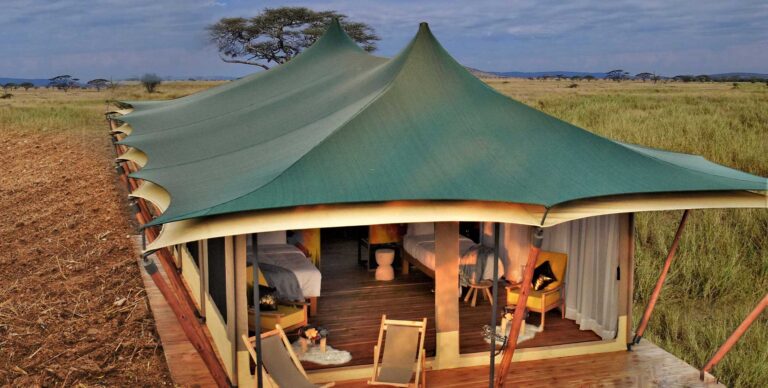
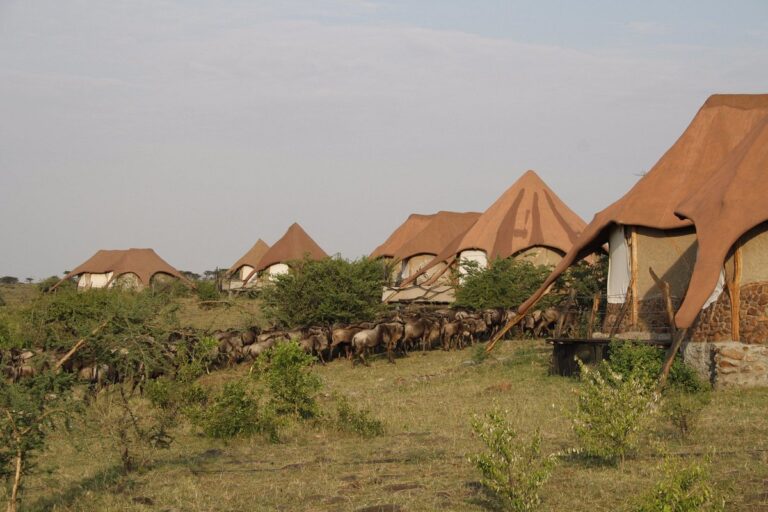
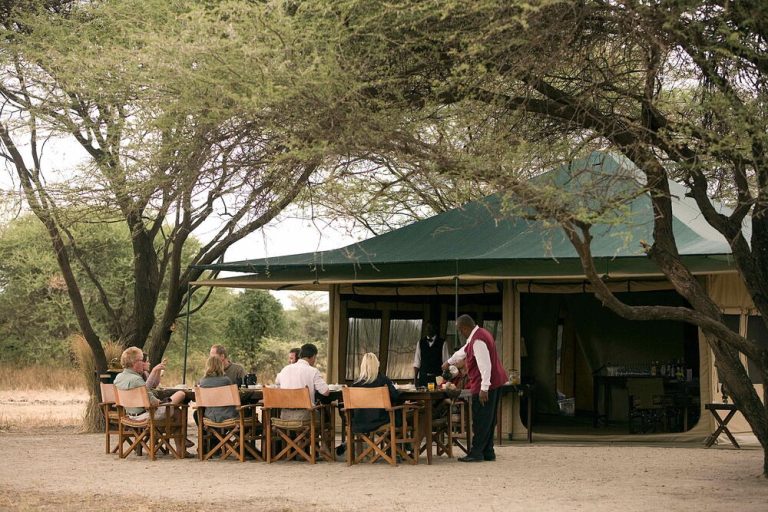
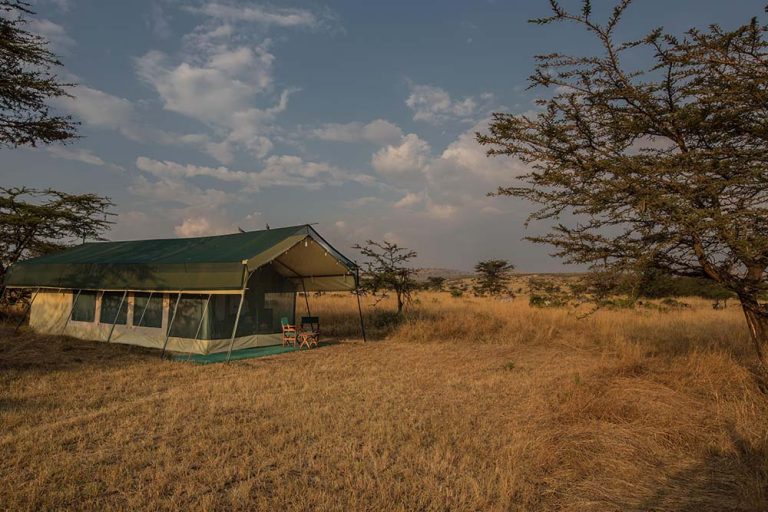
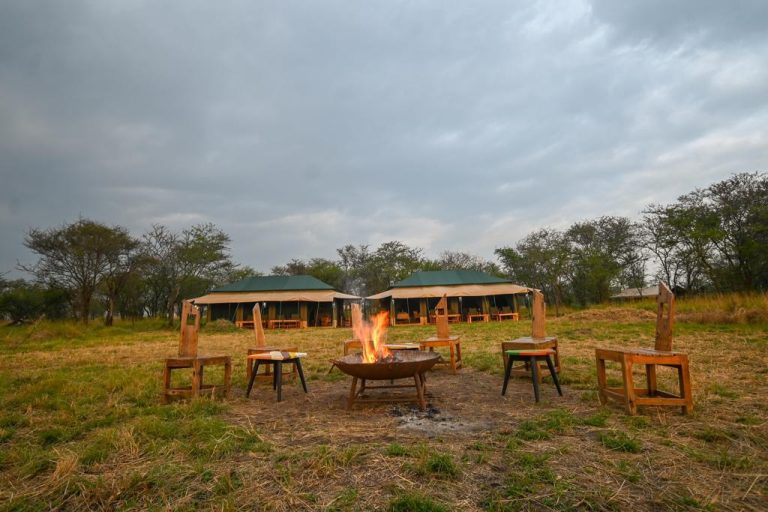
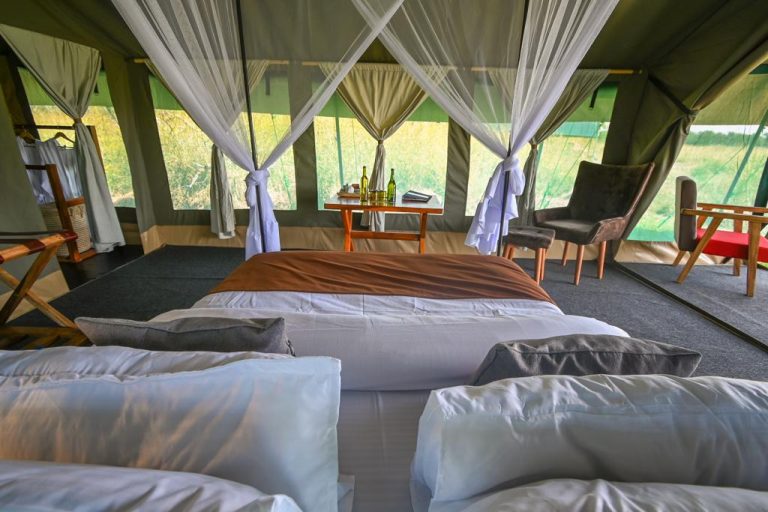
Explore a range of accommodation options designed to suit various preferences and budgets at this location. From comfortable lodges and tented camps to modern hotels, the area provides convenient access to nearby attractions and activities. Scroll through the carousel to find detailed listings of each property, including amenities and contact information, making it easy to plan your stay.
No results available
Explore Mto wa mbu with these recommended tours
No results available
Its extraordinary diversity. Over 120 ethnic groups live in this one village, drawn from every corner of Tanzania by irrigated farmland fed by water running off the Rift Valley escarpment, and it is often described as the only settlement in the country where all of Tanzania’s major language families are spoken together. That mix shows in the market, the food and the crafts. It is also the last reliable place to buy supplies before Ngorongoro.
It is one of the oldest and best-organised cultural tourism programmes in Tanzania, and considerably more substantive than the village visits sold at many safari stops. Walks take in banana beer brewing, Makonde ebony carving, rice paddies and irrigated smallholdings, typically over two to three hours. Book through the official cultural tourism office rather than roadside touts so that fees reach the community and fund the schools and clinics they support.
It sits directly at the Lake Manyara National Park gate, about two hours from Arusha, and every northern circuit itinerary passes through on the way to Ngorongoro and the Serengeti. Most visitors stop for lunch or a cultural walk rather than staying overnight, though there are lodges. It works well as a half day paired with a Lake Manyara game drive, or as a practical lunch stop on longer driving days.
It translates from Swahili as River of Mosquitoes, a reference to the wetland conditions created by streams running off the escarpment onto the valley floor. Those same waters are what make the area so unusually fertile and drew farmers from across the country in the first place. Malaria prophylaxis and repellent are sensible precautions, though the village is no worse than anywhere else on the Rift Valley floor. The village is also the last reliable place to buy fresh produce, water and fuel before the climb toward Ngorongoro.
Makonde ebony carving is the speciality, produced in workshops along the main road by artisans from the far south of Tanzania, and quality varies enormously so it is worth looking at several before buying. Beadwork, batik and paintings are also widely sold. Prices along the roadside are set high for passing safari vehicles, so negotiate firmly, or buy through the cultural tourism office where prices are more transparent. Arrive in the morning rather than the afternoon, both for the light and because the market is at its most active early.
Most visitors do not, treating the village as a stop between Arusha and Ngorongoro, but an overnight has real advantages. It puts you at the Lake Manyara gate at opening rather than mid-morning, allows the longer version of the cultural walk that reaches the outlying farms, and lets you see the market early when it is busiest. Several comfortable lodges sit just outside the village. Book cultural walks through the official tourism office rather than with people offering along the roadside.
Mbege is brewed from ripe bananas mixed with millet flour and left to ferment, producing a cloudy, mildly alcoholic drink that has been made in this region for generations. It is genuinely part of daily social life rather than a tourist demonstration, and most cultural walks include a visit to a homestead where it is brewed and a chance to taste it. The flavour is sour and unlike commercial beer.
The village lies about 120 kilometres west of Arusha, roughly two hours on good tarmac, directly at the Lake Manyara park gate. Every northern circuit vehicle passes through it, so any safari operator will include a stop on request. Light aircraft also serve the Lake Manyara airstrip a short distance away, with connections from Arusha, the Serengeti and Zanzibar for visitors on shorter itineraries. The village is also the last reliable place to buy fresh produce, water and fuel before the climb toward Ngorongoro.
Explore other optional accommodation to consider at