

Bismarck Rock
LAKE SHORE
A balanced granite boulder that has become the city's emblem.
Tanzania
1,325 sq km
29 'C
20mm
Mwanza is Tanzania’s second largest city, built on the southern shore of Lake Victoria among enormous granite boulders that give it its nickname, Rock City.
It is the commercial centre of the lake region and the country’s main fishing port, with Nile perch and dagaa driving an economy that reaches across the lake into Uganda and Kenya.
For travellers Mwanza is principally a gateway. It is the natural western entrance to the Serengeti, roughly three hours from the Ndabaka gate, and the departure point for Rubondo Island National Park and for ferries across the lake.
The city itself has genuine character. Bismarck Rock balanced at the water’s edge is its emblem, the fish market is one of the busiest in East Africa, and the surrounding lakeshore holds villages, islands and rock formations worth a day of anyone’s time.
The Sukuma are Tanzania’s largest ethnic group and dominate the region around Mwanza, farming and herding across the lake basin, and the Sukuma Museum at Bujora outside the city documents their traditions well.
Bujora is best known for Sukuma dance, including the competitive snake dance and the drumming societies that remain an active part of rural life rather than a preserved performance, and events are held through the year.
The lake shapes everything here. Fishing communities line the shore and the islands, and the Nile perch industry that developed after the species was introduced in the 1950s transformed both the ecology of the lake and the economy of the region.
Mwanza has a substantial Indian commercial community of long standing, visible in the city’s architecture and food, and the mix gives the centre a distinctly different feel from Tanzania’s coastal cities.
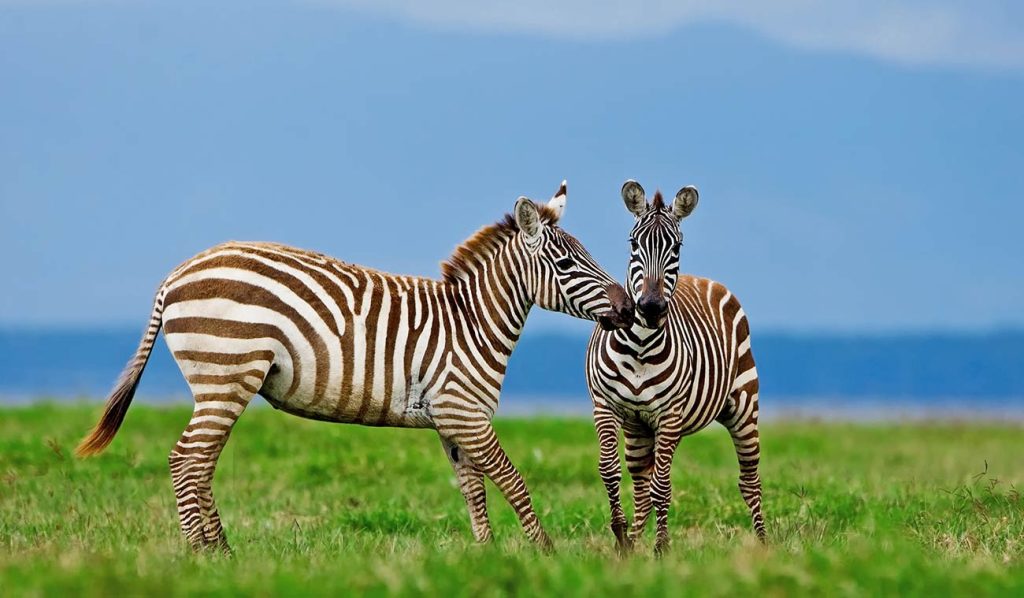
Exploring the wildlife and attractions of this East African gem offers a once-in-a-lifetime experience filled with breathtaking landscapes, diverse ecosystems, and unforgettable encounters with nature.
No results available
Mwanza sits at around 1,140 metres on the southern shore of Lake Victoria, and the lake moderates its climate considerably. Days run between 28°C and 29°C with remarkably little seasonal variation, and nights fall to 17°C to 19°C.
Rainfall follows the two-season pattern of the lake basin, with heavier rain from March to May and a second wetter period from October to December. Annual rainfall is around 1,000 millimetres, spread evenly enough that the region stays green for much of the year.
The lake generates its own weather, and afternoon storms build quickly over the water before clearing again. They rarely last long but can be dramatic, and boat crossings are occasionally delayed as a result.
Humidity stays moderate and the climate is generally comfortable, which makes Mwanza an easier city to spend time in than the coastal centres. June to September is the driest and most settled period.
Afternoon storms build quickly over the water before clearing again, and they occasionally delay boat crossings to the islands.
Mwanza is comfortable year-round, and its seasons matter mainly for the Serengeti’s western corridor and for lake crossings.
June to September is the driest and most settled period, with reliable roads to the Ndabaka gate and calm conditions on the lake. It also coincides with the migration reaching the western corridor around June, which is the main reason travellers use Mwanza as a Serengeti entry point.
December to February is warm with intermittent showers and works perfectly well, with fewer visitors passing through.
March to May and October to December bring the wetter periods, when afternoon storms are frequent and the road into the western Serengeti can deteriorate. Lake crossings are occasionally delayed.
For the city itself any month works. The fish market, Bismarck Rock and the Sukuma Museum at Bujora are unaffected by season, and the lake breeze keeps the centre comfortable throughout the year.
For the city itself any month works. The fish market, Bismarck Rock and the Sukuma Museum at Bujora are unaffected by season, and the lake breeze keeps the centre comfortable throughout the year.
A balanced granite boulder that has become the city's emblem.
The natural western entrance to the Serengeti and its corridor.
Sukuma traditions, drumming and the celebrated snake dance.
Nile perch and dagaa landed daily in one of East Africa's busiest ports.
A forested island national park with chimpanzees and sitatunga.
A small island national park within sight of the city centre.
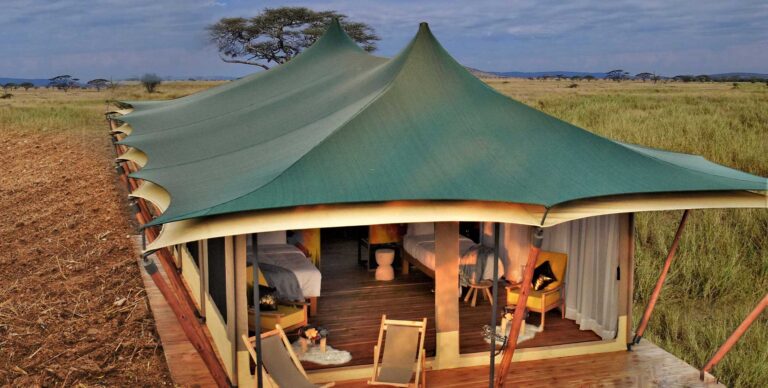
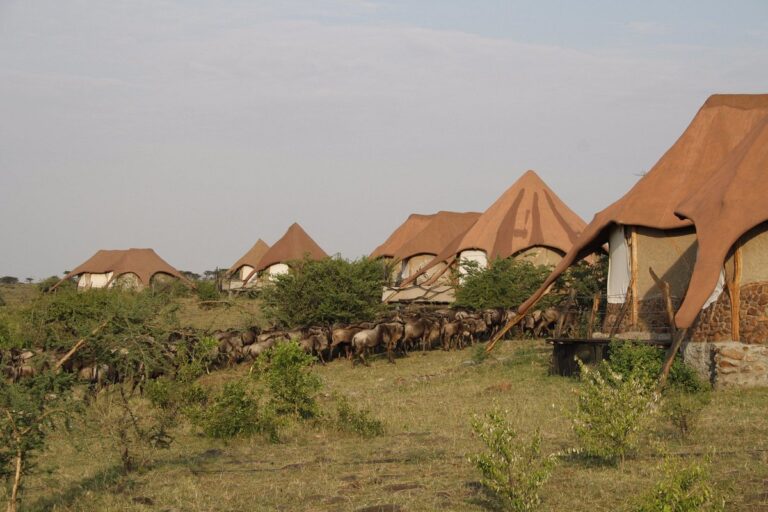
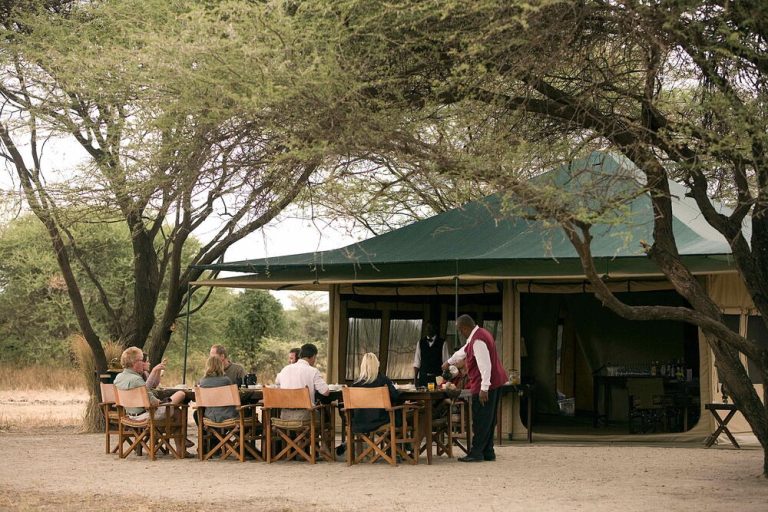
Explore a range of accommodation options designed to suit various preferences and budgets at this location. From comfortable lodges and tented camps to modern hotels, the area provides convenient access to nearby attractions and activities. Scroll through the carousel to find detailed listings of each property, including amenities and contact information, making it easy to plan your stay.
No results available
Explore Mwanza with these recommended tours
No results available
Principally as a gateway. Mwanza is the natural western entrance to the Serengeti, around three hours from the Ndabaka gate, which puts you close to the western corridor where the migration passes around June. It is also the departure point for Rubondo Island National Park and for ferries across Lake Victoria. The city itself is worth a day for the rock formations, fish market and Sukuma culture. Mwanza is a working commercial city rather than a tourist destination, which some travellers find refreshing.
By road to the Ndabaka gate on the western boundary, roughly three hours on reasonable road, which puts you into the western corridor considerably faster than driving from Arusha. Light aircraft also connect Mwanza with Serengeti airstrips. This western approach is far less used than the Arusha route and suits travellers combining the Serengeti with Lake Victoria or Rwanda. The airport has scheduled flights from Dar es Salaam, Arusha, Kilimanjaro and Nairobi, making access straightforward.
It is a large granite boulder balanced improbably on others at the lake’s edge near the ferry terminal, and it has become the emblem of the city. Mwanza is built among enormous rock formations of this kind, which is why it is known as Rock City. The rock is best seen at sunset, and the surrounding shoreline is a popular evening gathering place. The western Serengeti approach sees far fewer vehicles than the route from Arusha.
Yes, and Mwanza is the main jumping-off point. Rubondo is a forested island national park in Lake Victoria holding chimpanzees introduced in the 1960s, sitatunga, elephant and exceptional birdlife. Access is by light aircraft or by boat, and it receives very few visitors. It suits travellers who want somewhere genuinely off the standard circuit and have a few days to spare. Mwanza is a working commercial city rather than a tourist destination, which some travellers find refreshing.
It is a cultural centre at Bujora, about 20 kilometres outside Mwanza, documenting the traditions of the Sukuma, Tanzania’s largest ethnic group. It covers royal history, medicine, blacksmithing and above all dance, including the competitive snake dance societies that remain an active part of rural life. Performances are staged for visitors and larger events happen through the year. The airport has scheduled flights from Dar es Salaam, Arusha, Kilimanjaro and Nairobi, making access straightforward.
A night or two, yes, particularly if you are using it as a Serengeti gateway or waiting on a lake connection. The city has a relaxed feel, a good range of hotels and restaurants, and the lakeside setting among granite boulders is genuinely attractive. It is a working commercial city rather than a tourist destination, which some travellers find refreshing. The western Serengeti approach sees far fewer vehicles than the route from Arusha.
Mwanza has a busy airport with scheduled flights from Dar es Salaam, Arusha, Kilimanjaro and Nairobi, and it is the fastest way in. The central line railway from Dar es Salaam also terminates here, a long but memorable journey. By road it is a very long drive from Arusha, usually via the Serengeti, which most travellers break into stages. Mwanza is a working commercial city rather than a tourist destination, which some travellers find refreshing.
Comfortable and remarkably even, thanks to Lake Victoria. Days run between 28°C and 29°C with very little seasonal variation, and nights fall to 17°C to 19°C. Rain comes in two wetter periods, March to May and October to December, usually as afternoon storms that build over the lake and clear quickly. June to September is the driest and most settled. The airport has scheduled flights from Dar es Salaam, Arusha, Kilimanjaro and Nairobi, making access straightforward.
Explore other optional accommodation to consider at