Tanzania
30,893 sq km
31 'C
5mm
12 Year
Nyerere National Park is among the largest protected areas in Africa, covering nearly 31,000 square kilometres shaped by the Rufiji River and its chain of lakes, channels and sandbanks.
Created in 2019 from the northern section of the Selous Game Reserve and named for Julius Nyerere, Tanzania’s founding president, it offers experiences the northern circuit cannot. Boat safaris bring you level with hippo, crocodile and drinking elephant, walking safaris have a long and well-established tradition here, and fly-camping is widely offered.
The park is one of Africa’s most important strongholds for African wild dog, and packs are seen with reasonable regularity through the dry months. Buffalo occur in very large herds, and elephant, giraffe, zebra, sable and greater kudu are all common, with lion widespread and leopard present but elusive.
Visitor numbers are a fraction of those in the Serengeti, and the sense of scale is quite different: this is a landscape of water, miombo woodland and open floodplain rather than short-grass savanna, and it rewards travellers who want space more than they want density.
The park carries the name of Julius Nyerere, who led Tanzania to independence and served as its first president, and whose vision of national unity remains central to the country’s sense of itself. The wider Selous ecosystem takes its name from Frederick Selous, the British hunter and naturalist killed nearby during the First World War; his grave lies within the reserve.
Ngindo and Matumbi communities live along the southern and eastern margins of the park. The Ngindo have a long-established tradition of forest beekeeping, hanging bark hives high in the miombo, and honey remains an important part of the local economy.
The Rufiji delta downstream supports fishing and rice-growing villages, and the river system has shaped settlement across this whole region for centuries. The Matumbi hills to the south-east were a centre of the Maji Maji rebellion against German rule in 1905, one of the most significant anti-colonial uprisings in East African history.
Cultural visits are arranged through camps rather than at the park gates, and are less formalised than on the northern circuit. Beekeeping demonstrations and village walks along the eastern boundary are the most commonly offered, and are worth asking about when booking rather than on arrival.
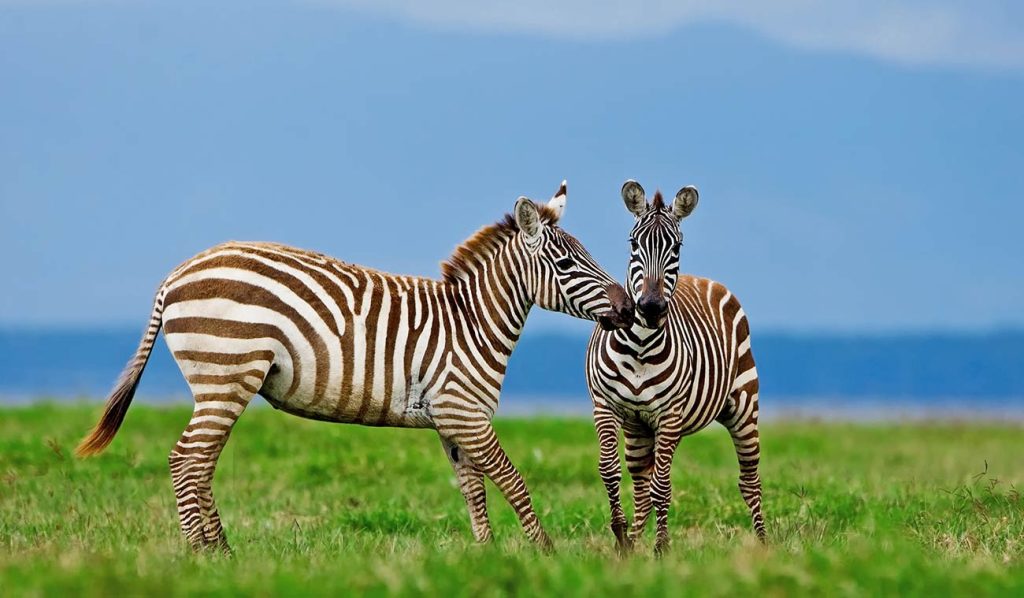
Nyerere is among the largest national parks in Africa, and the Rufiji River system shapes everything about it. A chain of lakes, channels and sandbanks gives the park a character quite unlike the dry savanna of the northern circuit.
It is one of Africa’s most important strongholds for African wild dog, seen with reasonable regularity in the dry months. Elephant, buffalo, giraffe, zebra and greater kudu are common, hippo and crocodile crowd the river, and sable antelope occur in the miombo woodland.
Around 440 species have been recorded. The river, lakes and sandbanks make waterbirds the obvious draw, and a boat safari is the best birding vehicle in the park.
African skimmer, white-fronted bee-eater, palm-nut vulture, fish eagle and several heron and egret species are regular, with migrants swelling numbers from November to April.
By Air
Light aircraft serve the Mtemere and Siwandu airstrips daily from Dar es Salaam, a flight of around 45 minutes, with connections from Zanzibar, Ruaha and Arusha.
By Car
The Mtemere gate lies roughly 230 kilometres from Dar es Salaam, a drive of six to eight hours with a rough final stretch. The Matambwe gate is reached via Morogoro. A 4×4 is essential and access is unreliable during the long rains.
Exploring the wildlife and attractions of this East African gem offers a once-in-a-lifetime experience filled with breathtaking landscapes, diverse ecosystems, and unforgettable encounters with nature.
No results available
Nyerere is hot and low-lying, with most of the park sitting between 100 and 500 metres. Days typically run between 29°C and 33°C, humidity is high near the river and the lakes, and nights rarely drop below 18°C.
The long rains run from March to May, with April by far the wettest at around 160 millimetres, and it is during this period that many camps close outright. Road access to the Mtemere gate becomes unreliable and tracks inside the park deteriorate badly.
Short rains fall in November and December as heavy but relatively brief afternoon storms. Annual rainfall is around 800 to 900 millimetres, concentrated enough that the difference between the wet and dry landscape is dramatic: floodplains holding standing water in April are cracked earth by September.
The dry season from June to October is warm, clear and reliable, and October can be genuinely hot. Tsetse fly are widespread in the miombo year-round, so pack long sleeves in neutral colours.
Pack sun protection, insect repellent and a fleece for early river mornings on the water.
Nyerere is strongly seasonal, and the gap between the best and worst months is wider here than in most Tanzanian parks.
June to October is the dry season and the clear choice for wildlife. Water recedes to the river and the lake chain, game concentrates around them, wild dog become more visible as packs range after denning, and every road and boat channel is usable.
January to March is green and quiet, with strong birding as migrants arrive and far lower rates. Boat safaris remain excellent throughout, since the river does not depend on the season.
April and May are the period to avoid. Rainfall peaks in April, road access becomes unreliable and a significant number of camps close for the season entirely.
If your dates fall in April, Ruaha sits in a drier rain shadow and stays considerably more workable through the same period.
Camps that stay open through April often discount heavily, which can suit photographers willing to accept the weather and the restricted road access, though several close outright for the season.
The river is the defining risk. Crocodile and hippo are numerous, and hippo account for more incidents than any predator. Never approach the bank on foot outside designated areas, and follow your guide precisely on boat safaris.
The park is remote, with limited medical facilities and long distances to help, so insurance covering air evacuation is essential. Tsetse fly are widespread in the miombo; pack long sleeves in neutral colours.
Drift past hippo pods, crocodiles and skimmers at water level.
One of Africa's great strongholds for African wild dog.
The reserve's long walking tradition, led by an armed ranger.
A chain of lakes drawing elephant and buffalo through the dry months.
A dramatic gorge where the river narrows between steep walls.
A night under canvas well away from the permanent camps.
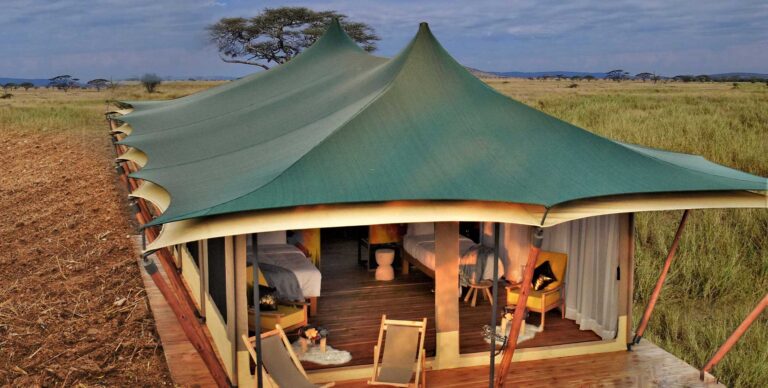
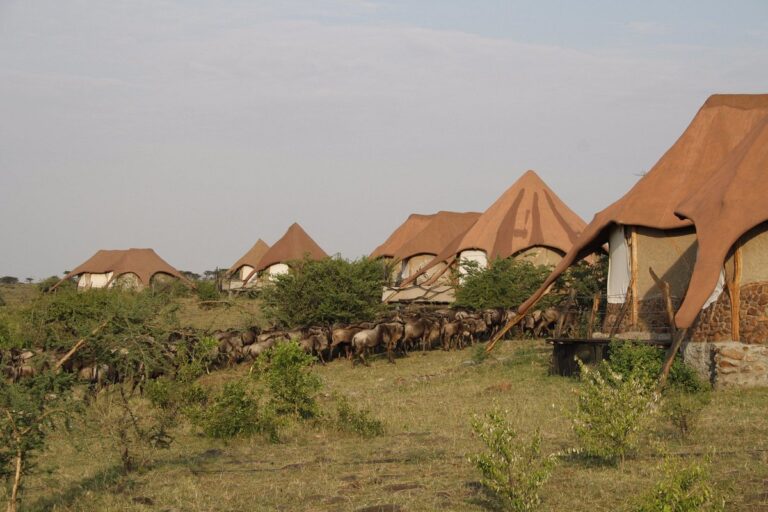
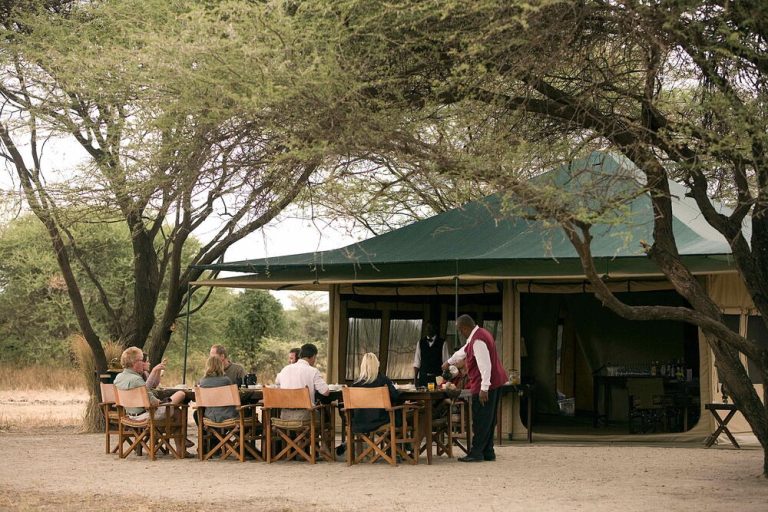
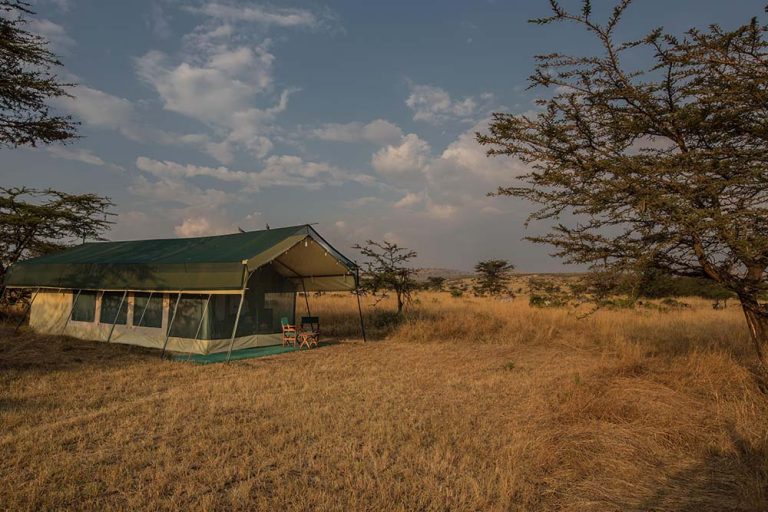
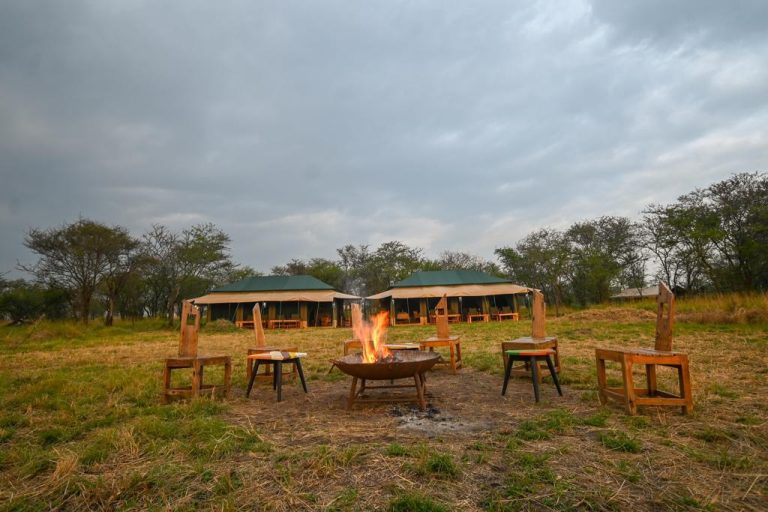
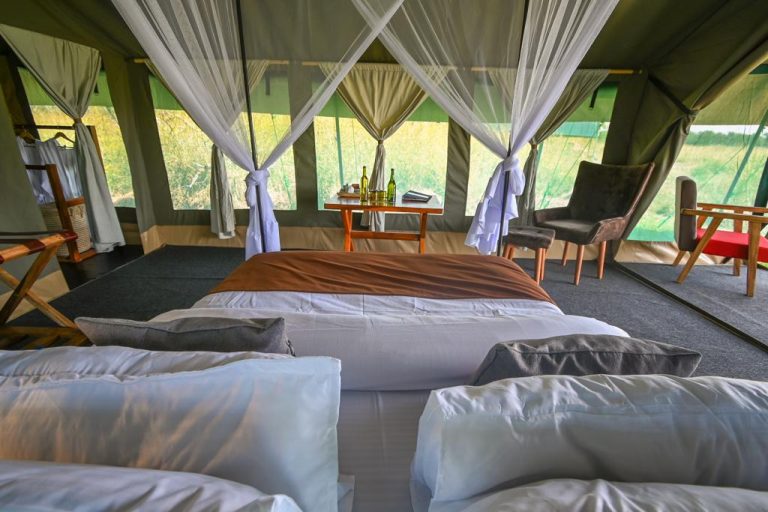
Explore a range of accommodation options designed to suit various preferences and budgets at this location. From comfortable lodges and tented camps to modern hotels, the area provides convenient access to nearby attractions and activities. Scroll through the carousel to find detailed listings of each property, including amenities and contact information, making it easy to plan your stay.
No results available
Explore Nyerere National Park with these recommended tours
No results available
Nyerere National Park was created in 2019 from the northern, photographic-tourism section of the Selous Game Reserve and covers roughly 30,893 square kilometres. The remaining southern portion keeps the Selous name and is managed separately under different rules, including hunting. In practice, when operators refer to a Selous safari today they almost always mean Nyerere, because that is where the camps and circuits are. The change also brought national park regulations to the northern sector, which restrict off-road driving more tightly than reserve rules did.
Boat safaris, principally. The Rufiji River and its chain of lakes allow game viewing from the water, bringing you level with hippo, crocodile, skimmers and drinking elephant in a way no vehicle can match. Walking safaris also have a longer tradition here than further north, and fly-camping is widely offered. The park is additionally one of Africa’s most important strongholds for wild dog. Visitor numbers are a fraction of those in the Serengeti, so sightings are rarely shared with more than one or two other vehicles.
April and May. The long rains peak in April, road access to the Mtemere gate becomes unreliable and a significant number of camps close for the season altogether. June to October is the dry season and by far the strongest period for wildlife, while January to March offers green landscapes, excellent birding and low visitor numbers without the worst of the weather or the closures. Camps that stay open through April often discount heavily, which can suit photographers willing to accept the weather.
Flying is the sensible choice. Light aircraft serve the Mtemere and Siwandu airstrips daily from Dar es Salaam in around forty-five minutes, with connections from Zanzibar, Ruaha and Arusha. Driving is possible but demanding: the Mtemere gate lies roughly 230 kilometres from Dar es Salaam, the last stretch is rough, and the journey takes six to eight hours in a 4×4. Baggage on the light aircraft is limited to around fifteen kilogrammes in soft bags, which is worth checking before you pack.
Yes, when run properly. Boat safaris operate with licensed guides who understand hippo behaviour, which matters because hippo cause more incidents in Africa than any predator. Keep inside the boat, avoid standing without your guide’s agreement, and never approach the bank on foot outside designated areas. Crocodiles are numerous throughout the Rufiji system, so swimming anywhere in the park is prohibited. Boats carry life jackets and operate only in daylight, and camps will not run trips when the river is in flood.
Better than almost anywhere else in Africa, though nothing is guaranteed with a species that ranges over enormous distances. Nyerere holds one of the continent’s most significant populations, and sightings are most likely in the dry months from June to October when packs move widely between water sources. Denning season around June and July concentrates them, which improves the odds considerably. Ask your camp which packs have been active recently, as guides track their movements closely through the season.
Three to four nights is the sensible range. That allows at least one boat safari, a walking safari, and game drives around the lake circuit without spending the whole stay in transit across a very large park. Many itineraries pair three nights here with three in Ruaha, connected by a short light aircraft flight, which makes a balanced southern circuit. Many itineraries pair three nights here with three in Ruaha, connected by a short light aircraft flight rather than a long drive.
Yes, and they are one of the park’s genuine strengths, with a tradition dating back to its years as a game reserve. Walks are led by an armed ranger alongside your guide, usually for two to three hours in the early morning, and operate principally from the Matambwe sector and the private concessions. Fly-camping, where you overnight in a light mobile camp, is also widely offered. Most operators set a minimum age of twelve to fifteen, and walks should be booked at the same time as the camp itself.
Explore other optional accommodation to consider at