

Kipengere Range
MONTANE GRASSLAND
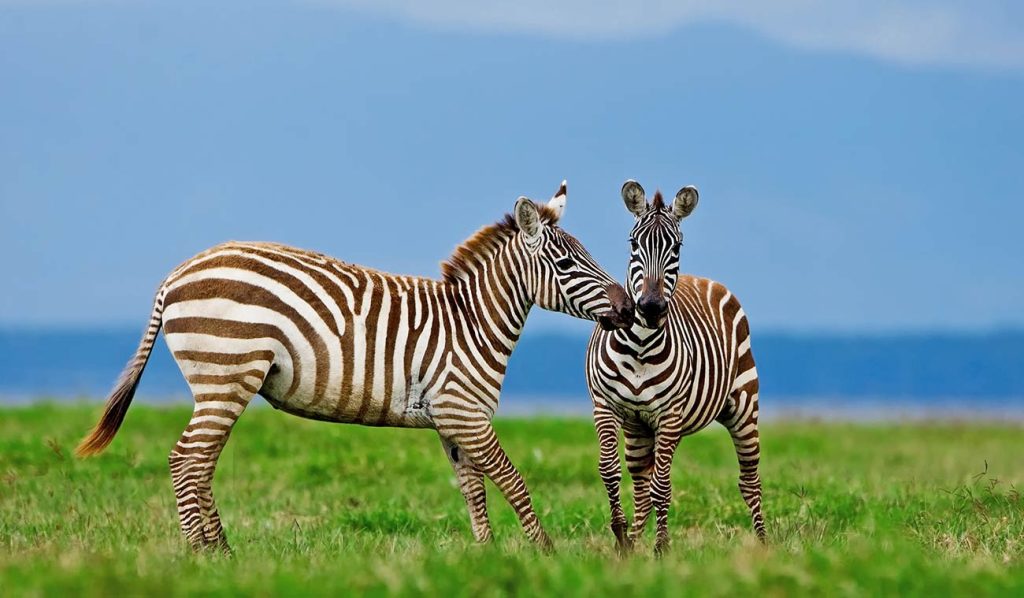
High grassland and long views across the Southern Highlands.
Tanzania
1,574 sq km
25 'C
15mm
Mpanga Kipengere Game Reserve lies in Tanzania’s Southern Highlands between the Kipengere Range and the Mpanga River, in Njombe region north of Lake Nyasa.
The reserve covers around 1,574 square kilometres of montane grassland, miombo woodland and river valley, spanning an altitude range from roughly 1,000 to 2,600 metres, which gives it an unusual variety of habitat for a single protected area.
Its principal ecological value is as a corridor. The reserve links the Kitulo Plateau with the wider Southern Highlands ecosystem, allowing movement between fragmented blocks of montane habitat that would otherwise be isolated by farmland.
It receives almost no tourism, has minimal infrastructure and is visited mainly by researchers and by the occasional well-equipped traveller working through this quiet corner of the country. Its ecological importance is far better documented than its visitor potential.
The Bena and Kinga peoples farm the highlands around the reserve, growing maize, potatoes and increasingly tea on the cool volcanic soils that make Njombe region agriculturally distinct from most of Tanzania.
The farming calendar here is quite unlike the rest of the country, with temperate crops, pyrethrum and timber plantations alongside the usual staples. Njombe has become a significant centre for avocado and tea production in recent years.
Njombe town is the regional centre and the practical base for any visit, with the guiding, supplies and fuel that the reserve itself entirely lacks. It sits at around 1,900 metres and has one of the coolest climates of any town in Tanzania.
The Kinga in particular have a long association with the Kipengere Range, and their settlements on the higher ground represent some of the highest permanent agriculture in the country. Local knowledge of routes through the reserve rests almost entirely with these communities.
By Road
The reserve is reached from Njombe, itself about 700 kilometres from Dar es Salaam on the TANZAM highway via Iringa, or from Mbeya to the west. Access roads are unsealed and a 4×4 is essential.
Practicalities
There is no airstrip and no scheduled transport to the reserve. Supplies, fuel and any guiding arrangements should be organised in Njombe or Mbeya before setting out, as nothing is available on site.
Exploring the wildlife and attractions of this East African gem offers a once-in-a-lifetime experience filled with breathtaking landscapes, diverse ecosystems, and unforgettable encounters with nature.
No results available
Mpanga Kipengere sits high, between roughly 1,000 and 2,600 metres across the Kipengere Range, and its climate is among the coolest in Tanzania. Days run between 25°C and 29°C at lower elevations, but nights on the higher grassland regularly fall to 9°C or below in June and July.
The wet season runs from November through April and is heavy, with annual rainfall well over 1,000 millimetres on the higher ground. During these months the montane grassland is green and flowering, echoing the display on the neighbouring Kitulo Plateau.
The dry season from May to October is clear, cold at night and much the easier period for travel. August and September are warm by day, dry and stable, and the long views across the Southern Highlands open up once the cloud lifts.
This is not a tropical lowland reserve and should not be packed for as one. Frost has been recorded on the highest grassland, which is unusual anywhere in Tanzania.
Cloud and mist can drop visibility on the open grassland to a few metres within minutes, and there is no marked path.
Mpanga Kipengere is a dry-season destination, and given the state of the access roads that is less a preference than a requirement.
June to October is the practical window. Roads are passable, river crossings manageable, and the montane grassland opens into long views across the Kipengere Range. Nights are genuinely cold through June and July, so proper equipment matters.
August and September offer the best combination within that window, warm by day and dry and stable, with the clearest visibility of the year.
November to April brings heavy sustained rain. The highlands are strikingly green and the grassland flowers, which for a botanist is a genuine draw, but the unsealed roads deteriorate badly and there is no infrastructure to fall back on.
Whichever season you choose, arrange guiding and supplies in Njombe or Mbeya beforehand.
Nothing at all is available at the reserve itself, so this is not a place to arrive unprepared and improvise. Allow considerably longer for journeys than the distances suggest, as the access tracks are slow even in good conditions.
Standard precautions apply. Travel with a licensed guide, keep valuables secured, and follow local advice on where and when it is sensible to walk. Roads deteriorate during the rains and night driving is best avoided throughout the region.
Where wildlife is present, remain in your vehicle outside designated areas and keep a respectful distance from all large animals. Water safety matters on the coast and the lakes: check conditions locally before swimming, and be aware of currents and tides.
High grassland and long views across the Southern Highlands.
Riverine woodland cutting through the miombo and grassland.
Montane species in an area almost never birded by visitors.
The reserve forms a corridor toward the Kitulo flower plateau.
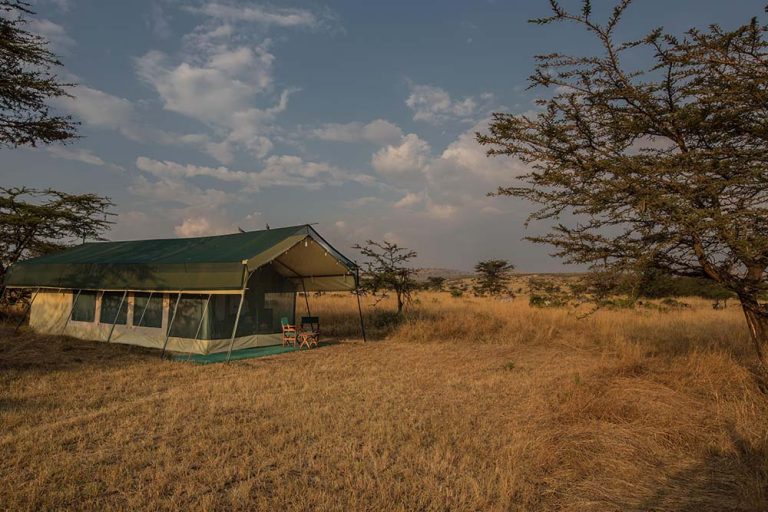
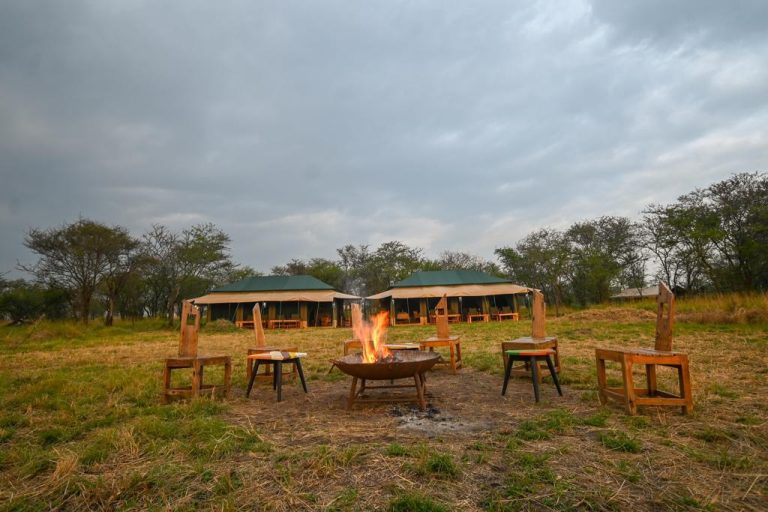
Self-sufficient camping with no facilities of any kind.
Tea and pyrethrum farming on cool volcanic soils.
Explore a range of accommodation options designed to suit various preferences and budgets at this location. From comfortable lodges and tented camps to modern hotels, the area provides convenient access to nearby attractions and activities. Scroll through the carousel to find detailed listings of each property, including amenities and contact information, making it easy to plan your stay.
No results available
Explore Mpanga Kipengere Game Reserve with these recommended tours
No results available
It is a protected area of around 1,574 square kilometres in Tanzania’s Southern Highlands, lying between the Kipengere Range and the Mpanga River in Njombe region north of Lake Nyasa. The reserve covers montane grassland, miombo woodland and river valley, and functions as an ecological corridor linking the Kitulo Plateau with the wider Southern Highlands. It receives almost no tourism and is visited mainly by researchers rather than travellers.
You can, but it requires planning and a properly equipped vehicle. There is no airstrip, no scheduled transport, no lodges and no facilities of any kind within the reserve, so any visit means self-sufficient camping. Supplies, fuel and guiding must all be arranged in Njombe or Mbeya beforehand. It suits experienced, independent travellers rather than anyone expecting a serviced safari experience of any kind. Njombe is the practical base, with the guiding, fuel and supplies the reserve itself entirely lacks.
Considerably colder than most of Tanzania, which catches visitors out. The reserve spans roughly 1,000 to 2,600 metres, and on the higher grassland nights regularly drop to around 9°C or below during June and July. Days remain pleasant at 25°C to 29°C at lower elevations. Bring proper warm layers, a waterproof, and camping equipment rated for genuine cold rather than tropical conditions. Frost has been recorded on the highest ground.
June to October is the practical window, when the unsealed access roads are passable, river crossings are manageable and the long views across the Kipengere Range open up. August and September offer the best combination of warm days and dry, stable conditions. From November to April the rain is heavy and sustained, roads deteriorate badly, and there is no infrastructure to fall back on if you get into difficulty. Allow considerably longer for journeys than distances suggest, as the access tracks are slow even in good conditions.
The reserve is reached from Njombe, itself about 700 kilometres from Dar es Salaam on the TANZAM highway via Iringa, or from Mbeya to the west. Access roads are unsealed and a 4×4 is essential. There is no airstrip and no scheduled transport of any kind to the reserve. Allow considerably longer for journeys than the distances suggest, as the tracks are slow even in good conditions. Local knowledge of routes rests almost entirely with the Bena and Kinga communities farming the surrounding highlands.
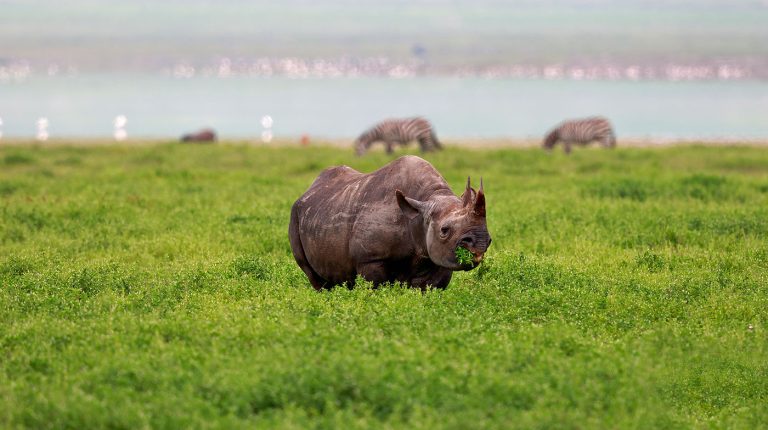
Buffalo occur in the woodland, with leopard and elephant present in small numbers, though sightings of any large mammal are uncommon and should not be the reason for a visit. The reserve’s value is ecological rather than spectacular: it protects montane habitat and maintains connectivity for species moving between fragmented blocks. Highland birding is the more realistic draw, in an area almost never covered by visiting birders. Njombe is the practical base, with the guiding, fuel and supplies the reserve itself entirely lacks.
The two are ecologically linked, with Mpanga Kipengere forming a corridor between the Kitulo Plateau and the wider Southern Highlands. They share montane grassland habitat and a flowering season, and the reserve’s higher ground shows something of the same display that makes Kitulo famous, on a smaller scale. Visitors combining the two need a properly equipped vehicle and should base themselves in Mbeya or Njombe. Allow considerably longer for journeys than distances suggest, as the access tracks are slow even in good conditions.
Only for a specific kind of traveller. Anyone wanting wildlife spectacle will be disappointed, and the effort involved is considerable. For botanists, birders, and people who place real value on being somewhere genuinely unvisited in landscapes that see almost no outside traffic, it has a strong appeal. Treat it as an expedition into the Southern Highlands rather than as a conventional reserve visit. Local knowledge of routes rests almost entirely with the Bena and Kinga communities farming the surrounding highlands.
Explore other optional accommodation to consider at